Loading content…
Destination
Discover Bhutan
Land of the Thunder Dragon where Gross National Happiness outshines GDP and ancient monasteries cling to cliffs.
1+
HOUR FLIGHT FROM KATHMANDU
About Bhutan
The Last Shangri-La
Nestled in the eastern Himalayas, Bhutan is a landlocked country bordered by China to the north and India to the south, east, and west. Known as Dru U: Land of the Thunder Dragon, it's the world's only carbon-negative country.
Bhutan is the happiest country in Asia and ranks 8th globally. With its Gross National Happiness philosophy, development prioritizes well-being over GDP. Vajrayana Buddhism is the state religion, deeply influencing daily life.
From subtropical plains to Himalayan peaks exceeding 7,000m, Bhutan offers pristine landscapes, ancient dzongs, and a unique culture preserved by traditional dress and architecture laws.
Why Visit
A Kingdom Like No Other
From Gross National Happiness to carbon-negative status, Bhutan offers unique experiences.
Happiest Country in Asia
Ranked #1 in Asia and #8 globally for happiness.
Carbon Negative
The world's only carbon-negative nation with 72% forest cover.
Gross National Happiness
Development prioritizing well-being over GDP.
Preserved Culture
Traditional dress and architecture preserved by law.
Last Shangri-La
Pristine landscapes and untouched traditions.
Vajrayana Buddhism
Spiritual home of Tantric Buddhism.
Cultural Tours
Bhutan Cultural Experiences
Discover Bhutan's rich heritage with our expert-guided tours. Minimum daily package applies for sustainable tourism.
4.9
5 Days
Delightful Bhutan Tour
Paro • Thimphu
Perfect introduction to Bhutan's cultural highlights.
Tiger's NestThimphu DzongBuddha Dordenma
$1,950
4.8
11 Days
Bhutan Cultural Tour
Western Bhutan
Comprehensive exploration of Bhutan's cultural heritage.
Punakha DzongGangtey ValleyHaa Valley
$3,950
4.7
3 Days
Short and Sweet Bhutan Tour
Paro Valley
Perfect short visit to experience Bhutan's essence.
Tiger's Nest HikeParo DzongNational Museum
$1,250
4.6
4 Days
3 Nights 4 Days Bhutan Tour
Paro • Thimphu
Extended cultural experience in Bhutan.
Tiger's NestThimphu CityCheri Monastery
$1,450
4.9
3 Day
Tiger's Nest Day Hiking
Paro Valley
Iconic hike to Bhutan's most famous monastery.
Taktsang MonasteryCliffside TempleSacred Caves
$1,050
4.8
7 Days
Bhutan Festival Tour
Various Dzongs
Experience Bhutan's vibrant religious festivals.
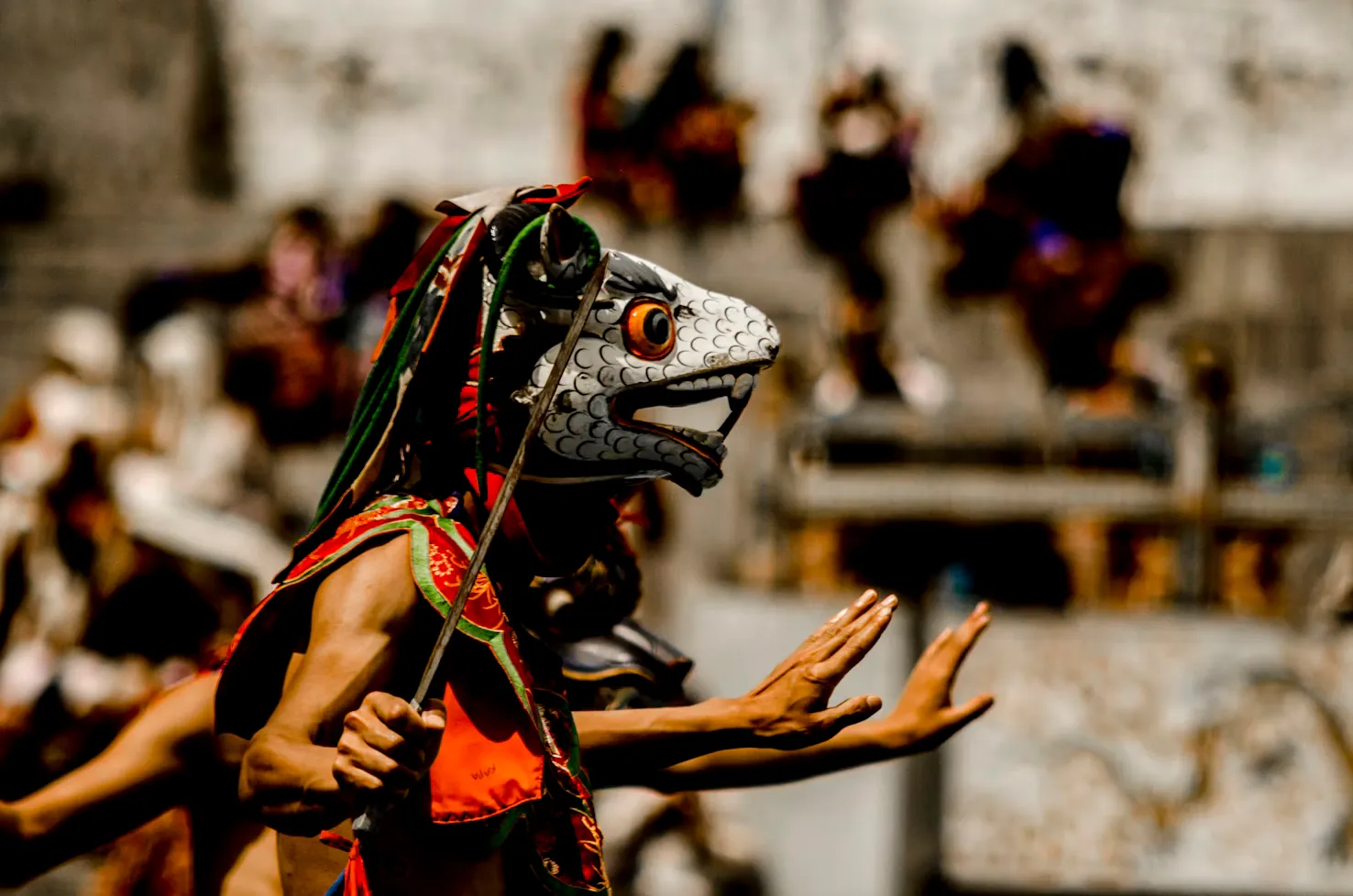
Paro TshechuThimphu FestivalMask Dances
$2,750
Sacred Valleys
Valleys of the Thunder Dragon
Carved by ancient rivers and blessed by saints, each valley holds its own stories and traditions.
01
Paro Valley
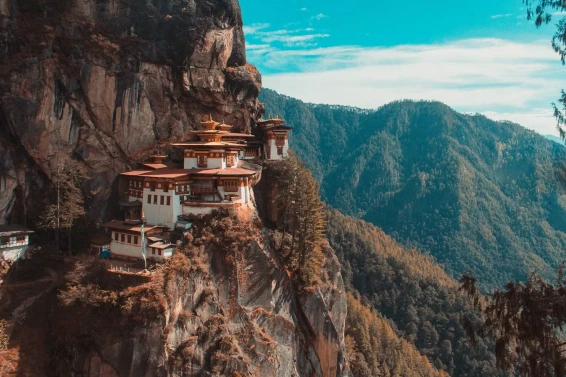
The gateway to Bhutan, where the iconic Taktsang Monastery clings to a sheer cliff face. This fertile valley is home to some of Bhutan's oldest temples and the nation's only international airport.
Taktsang 'Tiger's Nest' MonasteryKyichu LhakhangParo Dzong
02
Thimphu Valley
The world's only capital city without traffic lights, where tradition meets modernity. Home to the royal family, government, and a vibrant cultural scene.
Tashichho DzongBuddha DordenmaWeekend Market
03
Punakha Valley
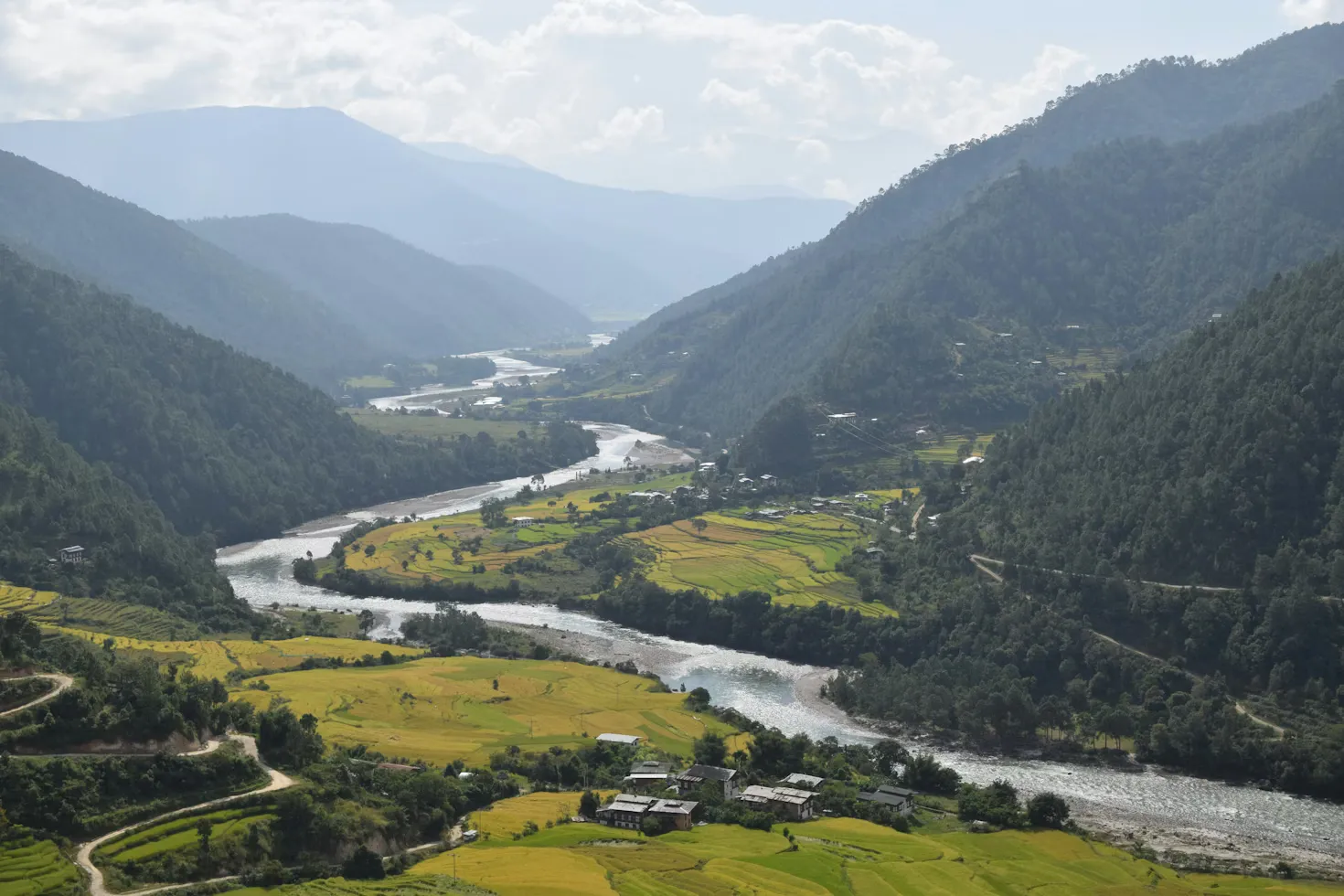
The ancient capital of Bhutan, nestled at the confluence of two rivers. Famous for its temperate climate, rice paddies, and the most beautiful dzong in the country.
Punakha DzongChimi LhakhangSubtropical Climate
04
Bumthang Valley
The spiritual heartland of Bhutan, a complex of four valleys dotted with ancient monasteries and sacred sites. Where Padmasambhava left his body print and Bhutanese Buddhism took root.
Jambay LhakhangKurjey LhakhangSacred Sites
When to Visit
Best Time to Visit Bhutan
Excellent
Spring
March - May
- Rhododendron blooms
- Paro Tshechu
- Clear skies
Moderate
Summer
June - August
- Monsoon season
- Lush greenery
- Fewer tourists
Best
Autumn
September - November
- Clear mountain views
- Thimphu Tshechu
- Perfect trekking
Good
Winter
December - February
- Snow-capped peaks
- Punakha Drubchen
- Clear skies
Sustainable Tourism
Tourism with Purpose
Bhutan's unique approach preserves culture and environment while creating meaningful experiences.
Minimum Daily Package
US $200-250 per day includes accommodation, meals, transport, guide, and sustainable development fee.
Custom Itineraries
Create your own itinerary: no group travel required. Personal guides for intimate experiences.
Cultural Preservation
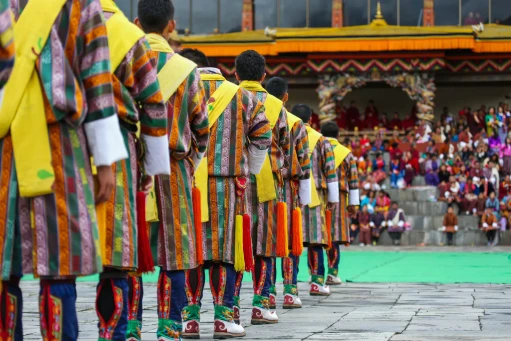
Traditional dress (Gho & Kira) and architecture preserved by law. No backpacker-style tourism.
Carbon Negative
72% forest cover. Tourism supports conservation and community development.
Unique Bhutanese Culture
- Ema Datshi: National dish: chillies and cheese
- Red Rice: Unique to Bhutan, grown in Paro Valley
- No Smoking: Tobacco sales are illegal nationwide
- Protective Symbols: Houses painted with protective symbols
- Easy Access: Just 1-hour flight from Kathmandu to Paro
- Preserved Heritage: 17th century dzongs still in use