Overview of Snowman Trek
The Snowman Trek is widely regarded as one of the toughest treks in the world. This legendary 25-day expedition crosses 11 high Himalayan passes above 4,500m, with the highest at Gangla Karchung La (5,320m). Traversing the remote northern regions of Bhutan along the Tibetan border, this Snowman trekking adventure is the ultimate challenge for serious trekkers.
The journey takes you through pristine alpine wilderness, past turquoise glacial lakes, over snow-covered passes, and through remote valleys inhabited by yak herders and the unique Layap people. You'll experience landscapes and cultures that few outsiders have ever seen, camping in some of the most remote locations on Earth.
This is not just a trekking in Nepal experience; it's a true expedition requiring excellent physical fitness, mental fortitude, and previous high-altitude trekking experience. With full camping support, expert guides, and comprehensive safety measures including a Gamow bag for altitude emergencies, we ensure the best possible support for this ultimate Himalayan adventure. Completion of the Snowman Trek is a lifetime achievement.
Snowman Trek Highlights
Best Time to Trek Snowman
Summer (Jun - Aug)
The primary trekking season for the Snowman. Warmer temperatures, but higher chance of rain and cloud cover. Passes are usually clear of snow. Longer daylight hours.
Primary SeasonEarly Autumn (Sep)
Stable weather, clear skies, and excellent mountain views. Shorter days but best conditions. Limited window before passes become snowbound.
ExcellentDay-by-Day Snowman Itinerary
Welcome to Bhutan! Upon arrival at Paro International Airport, you'll be greeted by our representative with a traditional Bhutanese scarf (khata) welcome. After check-in at your hotel, receive a comprehensive trek briefing where we'll discuss the challenging route ahead, check your gear, and handle permit arrangements. Evening visit to the National Museum (Ta Dzong) and Paro Rinpung Dzong. Final preparations for the legendary Snowman Trek begin.
After breakfast, drive approximately 1 hour to the trek start point at Drukgyel Dzong, a ruined fortress with historical significance. The trek begins here, following the Paro River upstream through beautiful valleys dotted with traditional villages and farmland. The trail passes through rice paddies and apple orchards before entering dense forest. You'll cross several suspension bridges and pass small settlements. Arrive at Shana Zampa, your first campsite in a lovely forest clearing by the river. The adventure begins!
Today's trek continues following the Paro River upstream. The trail gradually ascends through beautiful mixed forests of pine, fir, and rhododendron. You'll pass several army outposts as you approach the Tibetan border region. The valley narrows and the scenery becomes more dramatic with towering cliffs and waterfalls. Cross the river several times on wooden bridges. Arrive at Thangthangkha, a grassy campsite surrounded by forest. The views of surrounding peaks begin to appear.
This is one of the most spectacular days of the trek. The trail continues ascending through juniper and rhododendron forests, then opens into alpine meadows with stunning views of Mount Jomolhari (7,314m) appearing ahead. You'll pass yak herder camps with their traditional tents and grazing yaks. The valley widens as you approach Jangothang, also known as 'Jomolhari Base Camp'. The campsite is in a spectacular location with Mount Jomolhari towering directly ahead and beautiful mountain views in all directions.
A crucial rest and acclimatization day at one of the most beautiful campsites in the Himalayas. Several optional hikes are available: hike to the ridge behind camp for breathtaking views of Mount Jomolhari, Jichu Drake, and Tserim Kang; visit Tshophu Lake, a beautiful alpine lake about 2 hours away; or explore the nearby yak herder settlements. This day is essential for preparing your body for the high passes ahead. Enjoy the spectacular mountain scenery and photograph the peaks at different times of day.
A shorter day to position yourself for the highest pass. The trail climbs gradually through alpine meadows and yak pastures. The scenery becomes more dramatic as you gain altitude. Danji is a small summer settlement used by yak herders. Camp in this remote location, surrounded by towering peaks. The thin air and stark beauty remind you that you're in one of the most remote places on Earth.
The biggest day of the entire trek - crossing the Gangla Karchung La Pass at 5,320m, the highest point of the Snowman Trek. This is an extremely challenging day that requires an early start (3-4 AM). The climb is long, steep, and demanding, with thin air making every step an effort. But the reward from the top is beyond words - a 360-degree panorama of the highest peaks in Bhutan, including Mount Jomolhari, Jichu Drake, and countless others. Prayer flags flutter in the wind at this incredible altitude. The descent to Tso Chena is long and careful, passing near beautiful alpine lakes. Camp near the lakes, utterly exhausted but filled with an incredible sense of achievement.
A short day to recover from yesterday's epic effort. The trail follows the high-altitude valley, passing more alpine lakes and offering continuing mountain views. The thin air at this altitude makes even short distances feel significant. Jichu Dramo is a high-altitude campsite near more lakes. Rest, hydrate, and give your body time to recover. The scenery is otherworldly at this altitude.
What's Included in This Snowman Trek
Cost Includes
- All airport/hotel transfers in private vehicle
- 3 nights hotel accommodation (3-star with breakfast) - 1 night Paro, 2 nights Thimphu
- 2 nights lodge accommodation in Laya (basic but comfortable)
- All meals during the trek (breakfast, lunch, dinner)
- Experienced English-speaking trekking guide (government licensed)
- Assistant guide for groups of 4 or more
- Camping equipment (tents, sleeping mats, kitchen tent, dining tent)
- Camping staff (cook, kitchen helpers, assistants)
- All camping meals and hot drinks
- Porter service (1 porter per trekker, max 15kg per person)
- Horses for emergency evacuation and gear transport
- All monument entrance fees
- Bhutan Visa fee (processed by us)
- Sustainable Development Fee (SDF) of $100 per night (24 nights = $2,400)
- Government taxes and royalty
- Mineral water during sightseeing
- Traditional scarf welcome at airport
- Comprehensive first aid kit including pulse oximeter and Gamow bag
- Sleeping bag and down jacket for high altitude (can be returned after trek)
- Duffle bag for porter to carry your belongings
- All government taxes and official expenses
- Emergency evacuation arrangement assistance (cost covered by insurance)
- Certificate of achievement upon trek completion
Cost Excludes
- International airfare to/from Paro
- Travel insurance (mandatory - must cover high altitude trekking up to 5,500m & emergency helicopter evacuation)
- Personal trekking gear and equipment (trekking boots, warm clothing, etc.)
- Meals in Paro and Thimphu (except welcome dinner and breakfasts)
- Alcoholic beverages and soft drinks
- Personal expenses (phone calls, laundry, souvenirs, bar bills)
- Tips and gratuities for guides, porters, and drivers (recommended)
- Camera fees at monuments
- Any costs arising from unforeseen circumstances (weather, flight delays, political unrest)
- Hot stone bath (optional)
- Additional nights in Thimphu/Paro due to flight delays or weather
Critical Information for Snowman Trek
- • Travel insurance is MANDATORY and must cover helicopter evacuation up to 5,500m. We cannot accept bookings without proof of appropriate insurance.
- • The Snowman Trek is an EXPEDITION, not a regular trek. It requires excellent physical fitness, mental fortitude, and previous high-altitude trekking experience (5,000m+).
- • Weather can cause delays - budget at least 2-3 buffer days in your itinerary. We are not responsible for additional costs from delays.
- • The trek involves 22 nights camping in remote locations with basic facilities. Preparedness is essential.
- • Bhutan's Sustainable Development Fee (SDF) of $100 per night for 24 nights ($2,400) is FULLY INCLUDED in our package.
- • Minimum group size: 4 persons. Solo trekkers may join scheduled departures or pay a supplement.
- • Our guides carry a Gamow bag for altitude emergencies and are trained in high-altitude first aid.
Photo Gallery - Snowman Trek
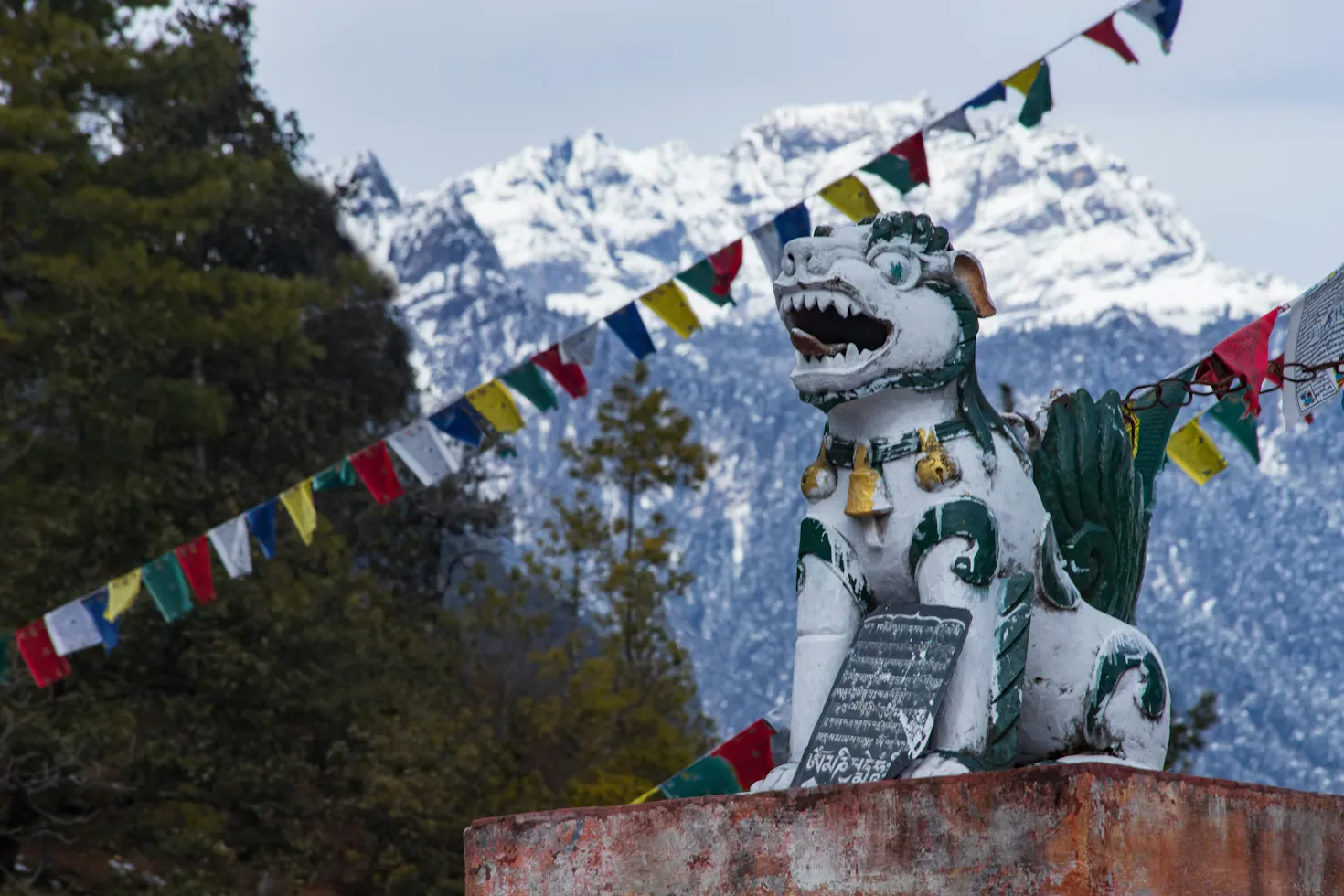
Snowman Trek Way
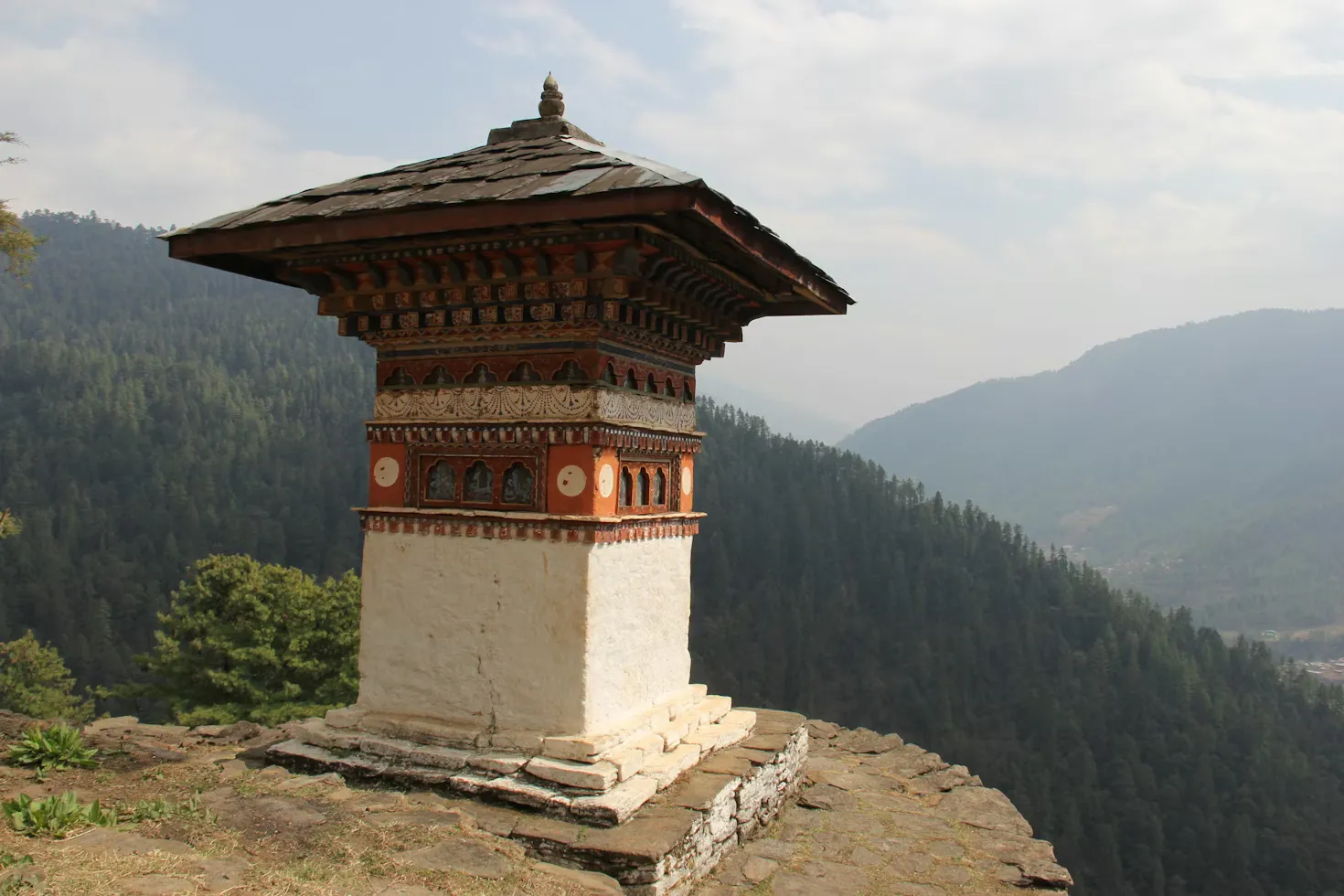
Glimpse of hills from Thimpu
Frequently Asked Questions About Snowman Trek
How difficult is the Snowman Trek really?
The Snowman Trek is widely regarded as one of the toughest treks in the world. You'll trek for 22 days, cross 11 passes above 4,500m (with the highest at 5,320m), and camp in remote locations for over three weeks. Days are long (7-8 hours), altitudes are extreme, and weather can be unpredictable. This trek is suitable only for experienced trekkers with excellent fitness and previous high-altitude experience.
What is the success rate for completing the trek?
The success rate varies by season and conditions but is generally around 50-60%. The main reasons for non-completion are altitude sickness, weather delays, and physical exhaustion. Proper acclimatization, good fitness, and allowing buffer days significantly improve your chances. Our guides are experienced in managing altitude and pacing.
What altitude sickness precautions do you take?
Our itinerary includes gradual acclimatization with rest days at Jangothang (4,080m) and Thanza (4,100m). We carry a Gamow bag (portable hyperbaric chamber) for altitude emergencies. Our guides are trained in high-altitude first aid and monitor everyone's oxygen saturation daily. We also carry supplemental oxygen for emergencies.
What is the Sustainable Development Fee (SDF) and is it included?
The SDF is a $100 per night fee that all international visitors pay to visit Bhutan. For this 24-night tour, the SDF of $2,400 is FULLY INCLUDED in our package price - you don't need to pay anything extra. This fee funds free education, healthcare, and infrastructure in Bhutan.
Do I need a visa? How does it work?
Yes, all international visitors except Indian nationals require a visa for Bhutan. We process your visa as part of the package. You'll need to send us a clear passport copy and passport photo at least 30 days before travel (45 days recommended). The visa is stamped in your passport upon arrival at Paro Airport.
What kind of fitness preparation do you recommend?
Prepare at least 6 months in advance with a combination of cardiovascular training (running, cycling, swimming), strength training (especially legs and core), and practice hikes with a loaded pack. Aim for 4-5 training sessions weekly, including weekend long hikes with altitude gain. Previous experience at 5,000m+ is strongly recommended.
What is the food like on the trek?
Our experienced camping cooks prepare fresh, hot, and nutritious meals throughout the trek. Expect a mix of Bhutanese, Indian, and Western dishes including dal bhat, pasta, soups, vegetables, and even baked goods like bread and cakes. Special dietary requirements can be accommodated with advance notice.
What about communications during the trek?
There is NO mobile phone signal or internet for most of the trek except in Laya village. Our guides carry satellite phones for emergency communication only. This is a true wilderness experience - prepare to be disconnected and embrace it!