Overview of Jomolhari Trek
The Jomolhari Trek is widely regarded as one of the most beautiful treks in the Himalayas, offering spectacular views of Mount Jomolhari (7,314m), Bhutan's second-highest and most sacred peak. This 9-day camping trek takes you through pristine forests, alpine meadows, and high mountain passes, following ancient trading routes along the Tibetan border.
The trek begins in the Paro Valley and gradually ascends to Jangothang (Jomolhari Base Camp), where you'll spend a full day acclimatizing and exploring the spectacular surroundings. You'll cross two high passes - Nyile La (4,830m) and Yeli La (4,650m) - with breathtaking panoramic views of the eastern Himalayas. Along the way, you'll encounter yak herders, visit remote monasteries, and camp beside pristine alpine lakes.
This challenging but rewarding Jomolhari trekking adventure is perfect for experienced trekkers seeking an authentic Himalayan wilderness experience. With full camping support, expert guides, and all meals included, the Jomolhari Trek offers an unforgettable adventure through the sacred landscapes of the Land of the Thunder Dragon.
Jomolhari Trek Highlights
Best Time to Trek Jomolhari
Spring (Apr - May)
Rhododendrons bloom in vibrant colors along the trail, pleasant temperatures, and clear mountain views. Some snow may remain at higher passes early in the season.
ExcellentAutumn (Sep - Oct)
The most popular season with crystal-clear skies, stable weather, and the best mountain views. Perfect conditions for crossing high passes.
Best SeasonDay-by-Day Jomolhari Itinerary
Welcome to Bhutan! Upon arrival at Paro International Airport, you'll be greeted by our representative with a traditional Bhutanese scarf (khata) welcome. After check-in at your hotel, receive a comprehensive trek briefing where we'll discuss the route, check your gear, and handle permit arrangements. Evening visit to the National Museum (Ta Dzong) and Paro Rinpung Dzong. Walk through Paro town and prepare for tomorrow's trek start.
After breakfast, drive approximately 1 hour to the trek start point at Drukgyel Dzong, a ruined fortress with historical significance. The trek begins here, following the Paro River upstream through beautiful valleys dotted with traditional villages and farmland. The trail passes through rice paddies and apple orchards before entering dense forest. You'll cross several suspension bridges and pass small settlements. Arrive at Shana Zampa, your first campsite in a lovely forest clearing by the river.
Today's trek continues following the Paro River upstream. The trail gradually ascends through beautiful mixed forests of pine, fir, and rhododendron. You'll pass several army outposts as you approach the Tibetan border region. The valley narrows and the scenery becomes more dramatic with towering cliffs and waterfalls. Cross the river several times on wooden bridges. Arrive at Soi Thangthangkha, a grassy campsite surrounded by forest. The views of surrounding peaks begin to appear.
This is one of the most spectacular days of the trek. The trail continues ascending through juniper and rhododendron forests, then opens into alpine meadows with stunning views of Mount Jomolhari (7,314m) appearing ahead. You'll pass yak herder camps with their traditional tents and grazing yaks. The valley widens as you approach Jangothang, also known as 'Jomolhari Base Camp'. The campsite is in a spectacular location with Mount Jomolhari towering directly ahead and beautiful mountain views in all directions.
A rest and acclimatization day at one of the most beautiful campsites in the Himalayas. Several optional hikes are available: hike to the ridge behind camp for breathtaking views of Mount Jomolhari, Jichu Drake, and Tserim Kang; visit Tshophu Lake, a beautiful alpine lake about 2 hours away; or explore the nearby yak herder settlements. This day also serves as a buffer in case of weather delays. Enjoy the spectacular mountain scenery and photograph the peaks at different times of day.
What's Included in This Jomolhari Trek
Cost Includes
- All airport/hotel transfers in private vehicle
- 3 nights hotel accommodation (3-star with breakfast) - 1 night Paro, 2 nights Thimphu
- All meals during the trek (breakfast, lunch, dinner)
- Experienced English-speaking trekking guide (government licensed)
- Assistant guide for groups of 5 or more
- Camping equipment (tents, sleeping mats, kitchen tent, dining tent)
- Camping staff (cook, kitchen helpers)
- All camping meals and hot drinks
- Porter service (1 porter per 2 trekkers, max 20kg per person)
- Horse for emergency evacuation
- All monument entrance fees
- Bhutan Visa fee (processed by us)
- Sustainable Development Fee (SDF) of $100 per night (11 nights = $1,100)
- Government taxes and royalty
- Mineral water during sightseeing
- Traditional scarf welcome at airport
- First aid medical kit including pulse oximeter
- Sleeping bag and down jacket for high altitude (can be returned after trek)
- Duffle bag for porter to carry your belongings
- All government taxes and official expenses
- Emergency evacuation arrangement assistance (cost covered by insurance)
Cost Excludes
- International airfare to/from Paro
- Travel insurance (mandatory - must cover high altitude trekking up to 5,000m & emergency evacuation)
- Personal trekking gear and equipment (trekking boots, warm clothing, etc.)
- Meals in Paro and Thimphu (except welcome dinner and breakfasts)
- Alcoholic beverages and soft drinks
- Personal expenses (phone calls, laundry, souvenirs, bar bills)
- Tips and gratuities for guides, porters, and drivers (recommended)
- Camera fees at monuments
- Any costs arising from unforeseen circumstances (weather, flight delays, political unrest)
- Hot stone bath (optional)
- Traditional archery experience (optional)
Important Information for Jomolhari Trek
- • Travel insurance is mandatory and must cover high altitude trekking up to 5,000m and emergency evacuation.
- • This is a challenging trek with 9 days of camping and two high passes above 4,800m - good physical preparation is essential.
- • A rest/acclimatization day is included at Jangothang (4,080m) to help with altitude adjustment.
- • Bhutan requires a minimum Sustainable Development Fee (SDF) of $100 per night - for 11 nights this is $1,100, fully included.
- • Visa is processed by us - we need a clear passport copy and passport photo at least 15 days before travel.
- • Horses are available for emergency evacuation along the trek route.
Photo Gallery - Jomolhari Trek
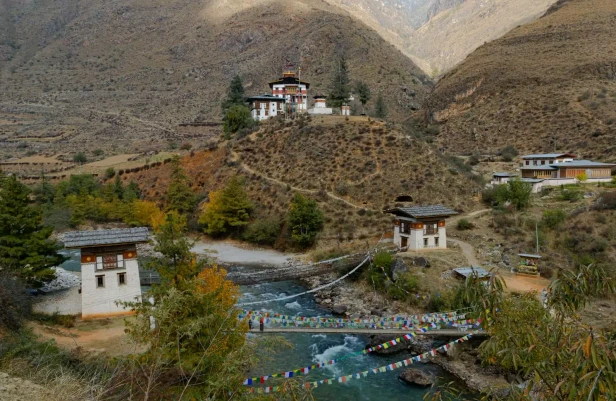
Way to Mount Jomolhari (7,314m) - Bhutan's Second Highest Peak
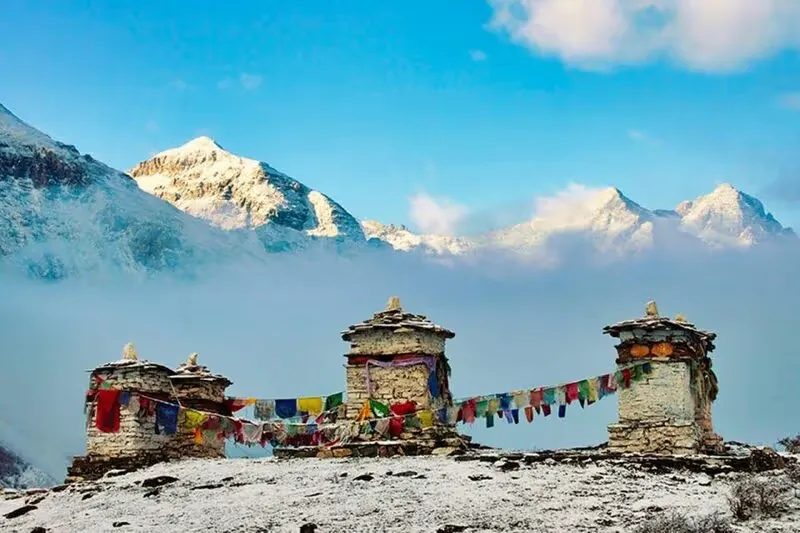
Mount Jomolhari (7,314m) - Bhutan's Second Highest Peak
Frequently Asked Questions About Jomolhari Trek
How difficult is the Jomolhari Trek?
The Jomolhari Trek is rated as challenging. You'll trek 5-8 hours daily at altitudes between 2,800m and 4,830m, with two high passes to cross. The trails are well-defined but can be steep in sections. Good physical fitness and previous trekking experience at altitude are recommended. The itinerary includes a rest day at Jangothang for acclimatization.
What is the highest point on the trek?
The highest point is Nyile La Pass at 4,830m, crossed on Day 6. You'll also cross Yeli La at 4,650m on Day 7. Both passes offer spectacular mountain views and are the most challenging days of the trek. Proper acclimatization and an early start are essential.
What is the camping experience like?
You'll camp for 9 nights in comfortable two-person tents with sleeping mats provided. Our camping crew sets up a dining tent where meals are served, and a kitchen tent where our cook prepares fresh, hot meals. Toilet tents with portable toilets are provided at each campsite. Evenings are spent around the campfire with your guide and crew.
What is the Sustainable Development Fee (SDF) and is it included?
The SDF is a $100 per night fee that all international visitors pay to visit Bhutan. For this 11-night tour, the SDF of $1,100 is fully included in our package price - you don't need to pay anything extra. This fee funds free education, healthcare, and infrastructure in Bhutan.
Do I need a visa? How does it work?
Yes, all international visitors except Indian nationals require a visa for Bhutan. We process your visa as part of the package. You'll need to send us a clear passport copy and passport photo at least 15 days before travel. The visa is stamped in your passport upon arrival at Paro Airport.
What wildlife might I see on the trek?
The Jomolhari region is rich in wildlife. You're almost certain to encounter yaks and their herders. You may also see blue sheep, Himalayan marmots, and various bird species including the Himalayan monal (national bird of Bhutan). Lucky trekkers might spot musk deer or even the elusive snow leopard, though sightings are rare.
What should I pack for this trek?
Essential items include: broken-in trekking boots, warm layers (fleece, down jacket), waterproof jacket and pants, sleeping bag (we provide but you may bring your own), trekking poles, headlamp, water bottles, sunscreen, sunglasses, hat, and personal toiletries. A detailed packing list will be provided after booking.