Overview of Rupina La Pass Trek
The Rupina La Pass Trek is a remote and adventurous trek in the lower Manaslu region, offering a true off-the-beaten-path experience for experienced trekkers seeking solitude and raw wilderness. Officially opened to tourists in 1991, this Rupina La Pass trekking route takes you through pristine landscapes, traditional Gurung villages, and across the challenging Rupina La Pass (approx. 4,720m), before connecting to the classic Manaslu Circuit.
The journey begins in Barpak Village, the largest Gurung settlement in Nepal and the epicenter of the 2015 earthquake. From here, you'll trek through dense rhododendron forests, alpine meadows, and glacial moraines, with spectacular views of Manaslu (8,163m), Himal Chuli (7,893m), Boudha Himal (6,672m), and the Ganesh Himal range. The remote section between Barpak and Nyak Village requires fully outfitted camping, with no teahouses for 5-6 days.
After crossing Rupina La, you join the classic Manaslu Circuit and continue to the legendary Larkya La Pass (5,106m), one of Nepal's longest and most spectacular high passes. This trekking in Nepal adventure is the ultimate experience for those seeking to explore the raw beauty of the Himalayas far from the crowds, combining two challenging passes, rich Gurung and Tibetan culture, and some of the most pristine wilderness in Nepal.
Rupina La Pass Trek Highlights
Best Time to Trek Rupina La Pass
Spring (Mar - May)
Rhododendrons bloom in vibrant colors, warming temperatures, and excellent visibility. Ideal for crossing both passes with moderate snow conditions.
ExcellentAutumn (Sep - Nov)
The most popular season with crystal-clear skies, stable weather, and perfect conditions. Excellent visibility for mountain photography and pass crossings.
Best SeasonNote: Winter (Dec-Feb) is extremely cold with heavy snow making the passes impassable. Monsoon (Jun-Aug) brings leeches and landslides - not recommended.
Day-by-Day Rupina La Pass Itinerary
Early morning departure from your hotel in Kathmandu for the scenic drive to Barpak Village, the largest Gurung village in Nepal and the epicenter of the 2015 earthquake. The journey follows the Prithvi Highway before turning off towards Gorkha, passing through picturesque landscapes, terraced farmlands, and traditional villages. You'll have stunning views of Ganesh Himal (7,422m) and the Manaslu range in the distance. Barpak (1,915m) has been beautifully rebuilt since the earthquake and offers a fascinating glimpse into Gurung culture, traditions, and hospitality. Check into your teahouse or homestay, meet your trekking crew, and explore the village's stone-paved streets. Overnight in Barpak.
What's Included in This Rupina La Pass Trek
Cost Includes
- All airport/hotel transfers in private vehicle
- 4 nights hotel accommodation in Kathmandu (3-star with breakfast) including pre/post-trek
- All meals during the trek (breakfast, lunch, dinner)
- Teahouse accommodation during trek (where available)
- Camping equipment (tents, sleeping tents, kitchen tents, toilet tents, cooking gear) for remote section
- Experienced English-speaking trekking guide (government licensed)
- Assistant guide for groups of 4 or more
- Cook and kitchen staff for camping section
- Porter service for all trekking and camping gear
- Manaslu Restricted Area Permit (RAP)
- Manaslu Conservation Area Permit (MCAP)
- Annapurna Conservation Area Permit (ACAP)
- TIMS card (Trekkers' Information Management System)
- All ground transportation as per itinerary (Kathmandu-Barpak & Dharapani-Kathmandu by private jeep)
- First aid medical kit including pulse oximeter and portable oxygen
- Sleeping bag and down jacket for high altitude (can be returned after trek)
- Duffle bag for porter to carry your belongings
- Trekking map of Manaslu region
- Farewell dinner in Kathmandu
- All government taxes and official expenses
- Emergency evacuation arrangement assistance (cost covered by insurance)
- Packed lunch for Rupina La and Larkya La crossing days
Cost Excludes
- International airfare to/from Nepal
- Nepal visa fee ($30 USD for 15 days, $50 for 30 days - available on arrival)
- Travel insurance (mandatory - must cover high altitude trekking up to 5,200m & helicopter evacuation)
- Personal trekking gear and equipment
- Meals in Kathmandu (except welcome dinner and breakfasts)
- Bottled/mineral water during trek (purification tablets provided)
- Hot showers and battery charging at lodges ($2-5 per use)
- Alcoholic beverages and soft drinks
- Personal expenses (phone calls, laundry, bar bills, souvenirs)
- Tips and gratuities for guides, porters, and camping staff (recommended)
- Emergency evacuation/helicopter rescue costs (covered by insurance)
- Any costs arising from unforeseen circumstances (weather, landslides, political unrest)
Important Information for Rupina La Pass Trek
- • Permits Required: This trek requires multiple permits including Manaslu Restricted Area Permit, MCAP, ACAP, and TIMS card. Permit costs vary by season.
- • Camping Section: The trek includes 5-6 nights of fully outfitted camping with no teahouses. All camping equipment is provided.
- • Guide Mandatory: Independent trekking is not permitted in this region. You must trek with a licensed guide from a registered agency.
- • Physical Fitness: This is a strenuous trek with long days (8-11 hours on pass days), high altitude (5,106m), and remote terrain. Excellent fitness and prior high-altitude experience required.
- • Minimum Group Size: Restricted Area Permits require a minimum group of 2 trekkers.
Photo Gallery - Rupina La Pass Trek
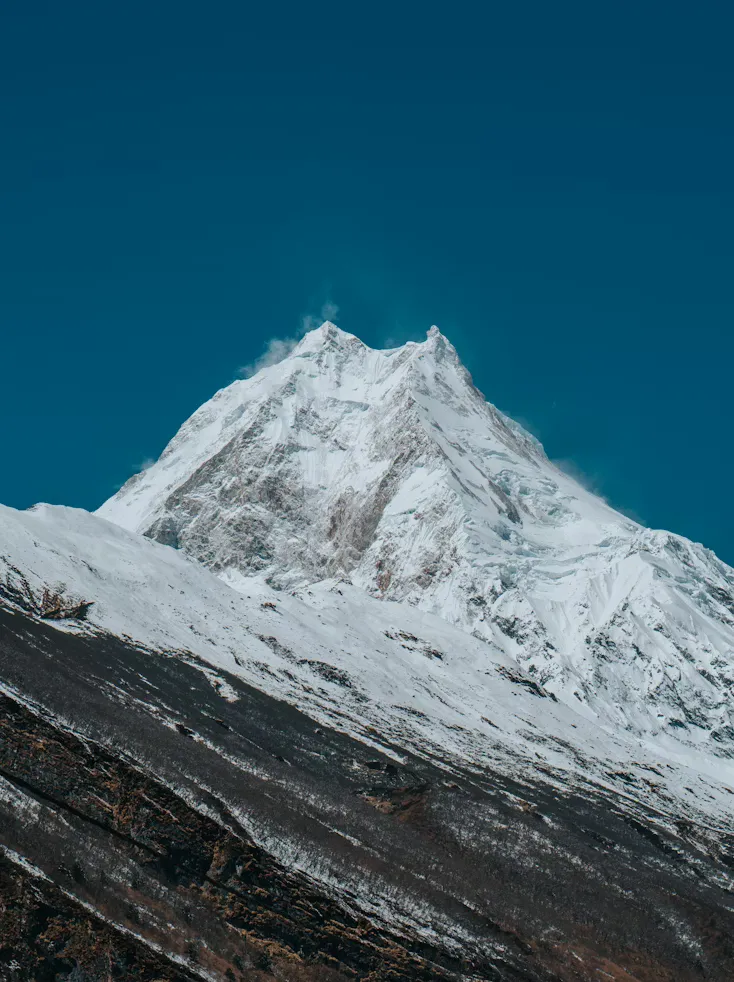
Mount Manaslu (8,163m) from Samagaon
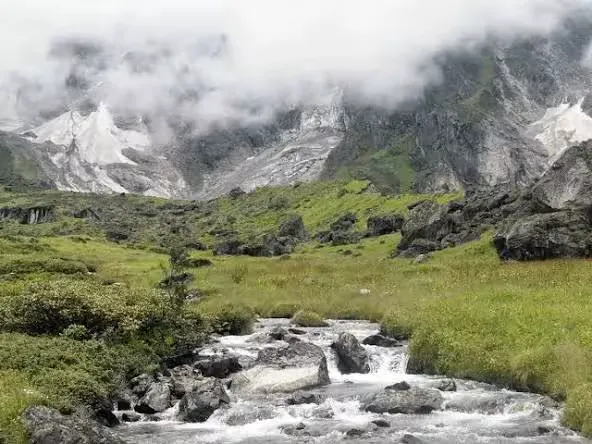
Way to Rupina La
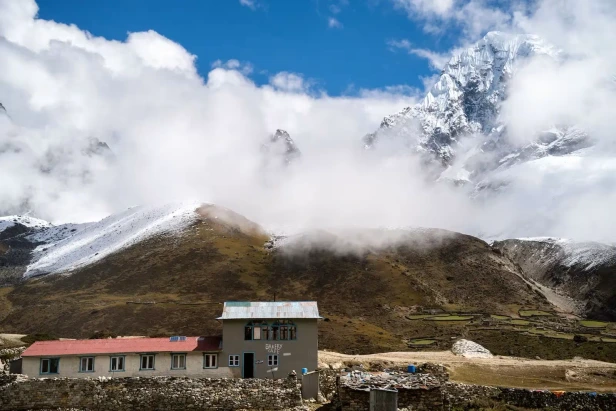
Village before Rupina La
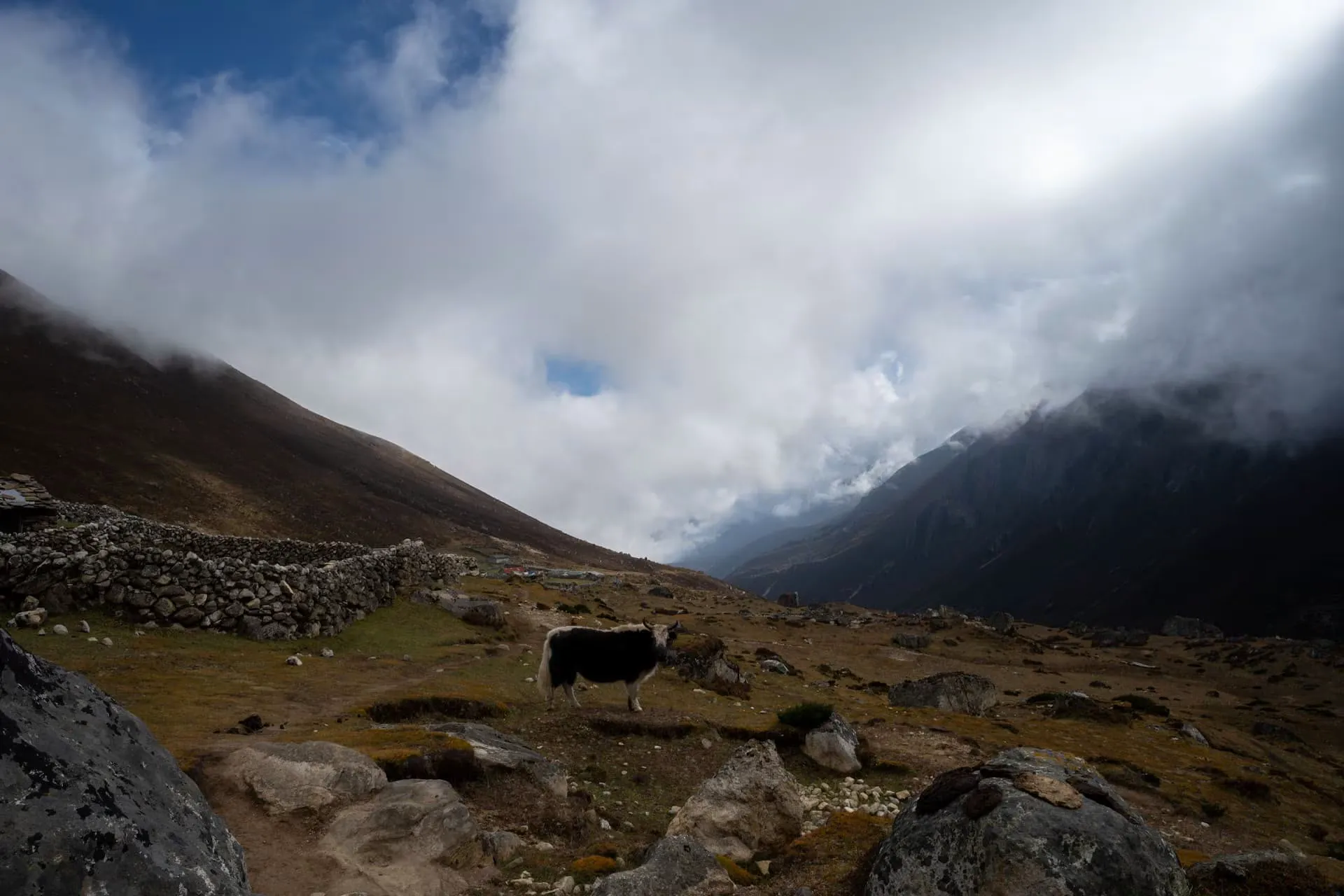
Yak on the Way to Samagaon
Frequently Asked Questions About Rupina La Pass Trek
How difficult is the Rupina La Pass Trek?
This trek is rated as strenuous to challenging. You'll trek 5-8 hours daily on rugged terrain with significant altitude gain. The Rupina La and Larkya La pass days involve 8-11 hours of trekking at over 4,700-5,100m with glacier crossings. Prior high-altitude trekking experience and excellent fitness are essential.
What is the story behind the name 'Rupina La'?
According to local tales from the villages of Laprak and Barpak, the Rupina La Pass derives its name from a shepherdess named Rupina. Long ago, while tending her sheep in the area, she mysteriously disappeared, leaving a legacy that lent her name to the pass. In the Gurung language, it is also referred to as 'Ruwala,' meaning 'horn pass'.
Do I need camping experience for this trek?
No prior camping experience is necessary, but you should be prepared for basic conditions with no running water, squat toilets, and cold temperatures. Our experienced camping staff will set up tents, prepare meals, and ensure your comfort during the 5-6 nights of camping. A positive attitude and flexibility are important.
What permits are required and how much do they cost?
You need: Manaslu Restricted Area Permit (USD 75-100/week + per day charges), Manaslu Conservation Area Permit (MCAP ~USD 30), Annapurna Conservation Area Permit (ACAP ~USD 30), and TIMS card (~USD 20). A local Tsum Nupri entrance fee (NPR 1,000) may also apply. Total ranges from USD 200-300 per person depending on season and itinerary length.
What wildlife might I see on this trek?
The Manaslu region is home to 33 mammal species including Himalayan tahr, blue sheep (bharal), musk deer, Himalayan marmots, and occasionally snow leopards. Over 110 bird species include the colorful Himalayan monal (Danphe), Nepal's national bird. You may also see langur monkeys in the lower forests.