Overview of Langtang-Gosainkunda Trek
The Langtang-Gosainkunda Trek is one of Nepal's most diverse and rewarding treks, combining the stunning mountain scenery of the Langtang Valley with the sacred high-altitude lakes of Gosainkunda. This epic Langtang-Gosainkunda trekking journey takes you through lush forests, traditional Tamang villages, yak pastures, and across high Himalayan passes, culminating at one of the most important Hindu pilgrimage sites in the Himalayas.
The trek begins in the Langtang Valley, known as the "Valley of Glaciers," where you'll trek to Kyanjin Gompa (3,870m) beneath the towering peak of Langtang Lirung (7,227m). After exploring the valley and optionally summiting Kyanjin Ri or Tserko Ri for spectacular panoramas, you'll cross over to the sacred Gosainkunda Lakes (4,380m) - a series of alpine lakes believed to have been created by Lord Shiva. According to Hindu mythology, Lord Shiva thrust his trident into the mountain to create the lakes so he could drink the water after swallowing poison to save the world.
The journey continues through the Helambu region, descending through forests and traditional villages to Sundarijal on the outskirts of Kathmandu. This challenging trek is ideal for experienced trekkers seeking cultural immersion, sacred sites, and diverse landscapes, all within a relatively accessible region close to Kathmandu. The route offers a perfect blend of natural beauty, spiritual significance, and authentic mountain culture.
Langtang-Gosainkunda Trek Highlights
Best Time to Trek Langtang-Gosainkunda
Spring (Mar - May)
Rhododendron forests burst into vibrant bloom, mild temperatures, and excellent visibility. The Gosainkunda lakes thaw, creating stunning reflections of surrounding peaks.
ExcellentAutumn (Sep - Nov)
The most popular season with crystal-clear skies, stable weather, and perfect trekking conditions. The Janai Purnima festival (Aug/Sep) draws thousands of pilgrims to Gosainkunda.
Best SeasonNote: Winter (Dec-Feb) is very cold with heavy snow at higher elevations - passes may be closed. Monsoon (Jun-Aug) brings leeches and landslides but lush greenery.
Day-by-Day Langtang-Gosainkunda Itinerary
Early morning departure from your hotel in Kathmandu for the scenic drive to Syabrubesi, the gateway to the Langtang region. The journey follows the Trishuli River valley through beautiful rural landscapes, terraced farmlands, and traditional villages. You'll pass through Dhunche (1,950m), the district headquarters of Rasuwa, where your Langtang National Park permit will be checked. The road winds through hillside forests with occasional views of Ganesh Himal (7,422m) and other peaks. Arrive in Syabrubesi (1,550m), a charming village situated at the confluence of the Bhote Koshi and Trishuli Rivers. Check into your teahouse, meet your trekking crew, and prepare for the adventure ahead. Evening briefing on the Langtang Gosainkunda Helambu route.
What's Included in This Langtang-Gosainkunda Trek
Cost Includes
- All airport/hotel transfers in private vehicle
- 3 nights hotel accommodation in Kathmandu (3-star with breakfast)
- All meals during the trek (breakfast, lunch, dinner)
- Best available teahouse/lodge accommodation during trek
- Experienced English-speaking trekking guide (government licensed)
- Assistant guide for groups of 5 or more
- Porter service (1 porter per 2 trekkers, max 20kg per person)
- Langtang National Park Entry Permit
- TIMS card (Trekkers' Information Management System)
- All ground transportation as per itinerary (Kathmandu-Syabrubesi & Sundarijal-Kathmandu by private jeep)
- First aid medical kit including pulse oximeter
- Sleeping bag and down jacket (can be returned after trek)
- Duffle bag for porter to carry your belongings
- Trekking map of Langtang, Gosainkunda & Helambu region
- Farewell dinner in Kathmandu
- All government taxes and official expenses
- Emergency evacuation arrangement assistance (cost covered by insurance)
- Packed lunch for Kyanjin Ri and Gosainkunda days
- Yak cheese tasting at Kyanjin Gompa
Cost Excludes
- International airfare to/from Nepal
- Nepal visa fee ($30 USD for 15 days, $50 for 30 days - available on arrival)
- Travel insurance (mandatory - must cover high altitude trekking up to 4,985m & helicopter evacuation)
- Personal trekking gear and equipment
- Meals in Kathmandu (except welcome dinner and breakfasts)
- Bottled/mineral water during trek (purification tablets provided)
- Hot showers and battery charging at lodges ($2-4 per use)
- Alcoholic beverages and soft drinks
- Personal expenses (phone calls, laundry, bar bills, souvenirs)
- Tips and gratuities for guides and porters (recommended)
- Emergency evacuation/helicopter rescue costs (covered by insurance)
- Any costs arising from unforeseen circumstances (weather, landslides, political unrest)
Important Information for Langtang-Gosainkunda Trek
- • Guide Required: Since 2023, solo trekking without a guide is banned in Langtang National Park - you must trek with a licensed guide for safety.
- • Permits: Langtang National Park Entry Permit (NPR 3,000) and TIMS card (NPR 2,000) are required - bring two passport photos.
- • Travel Insurance: Mandatory - must cover high altitude trekking up to 5,000m and helicopter evacuation.
- • Physical Fitness: This is a challenging trek with long days (6-8 hours), high passes, and significant altitude gain. Prior trekking experience and excellent fitness required.
- • Gosainkunda Festival: If trekking during Janai Purnima (Aug/Sep), expect crowds of pilgrims and limited accommodation - book well in advance.
Photo Gallery - Langtang-Gosainkunda Trek
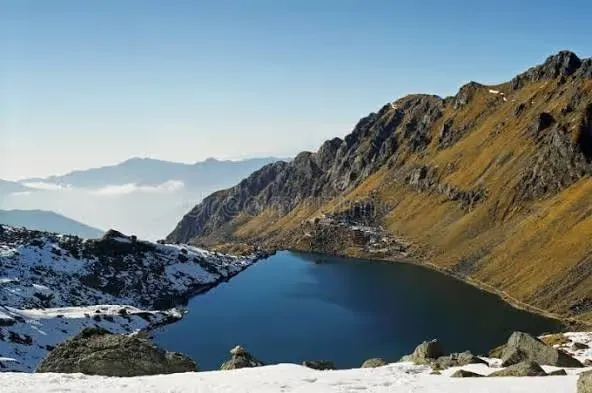
Sacred Gosainkunda Lake (4,380m)
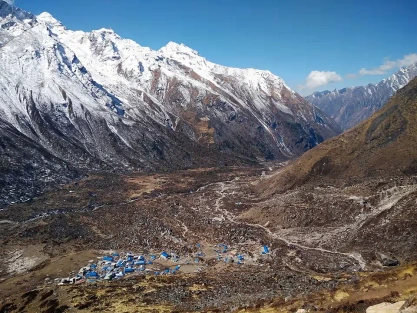
Kyanjin Gompa with Langtang Lirung
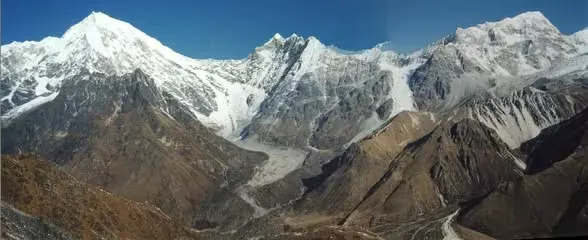
Langtang Valley and Village
Frequently Asked Questions About Langtang-Gosainkunda Trek
How difficult is the Langtang-Gosainkunda Trek?
This trek is rated as challenging due to the long days (6-8 hours), high altitude (up to 4,985m), and multiple pass crossings. You'll trek through varied terrain including steep climbs and descents. Prior high-altitude trekking experience and excellent fitness are strongly recommended.
What is the significance of Gosainkunda Lake?
Gosainkunda is one of the most sacred Hindu pilgrimage sites in Nepal. According to Hindu mythology, Lord Shiva created the lake by thrusting his trident into the mountain to obtain water to quench his thirst after swallowing poison to save the world. Thousands of pilgrims visit during the Janai Purnima festival (Aug/Sep) to bathe in the holy waters.
What is the accommodation like on this trek?
Accommodation ranges from basic teahouses in remote areas to more comfortable lodges in larger villages. Rooms have twin beds with foam mattresses and shared bathrooms. At Gosainkunda, facilities are basic with no running water - be prepared for rustic conditions.
Can I see red pandas on this trek?
Yes, Langtang National Park is one of the best places in Nepal to spot red pandas, though sightings are rare. The forests between Lama Hotel and Bamboo are prime habitat. You may also see Himalayan black bears, langur monkeys, and various bird species.
What is the best time for the Gosainkunda festival?
The Janai Purnima festival takes place in August or September (dates vary). If you trek during this period, you'll experience a vibrant cultural atmosphere with thousands of pilgrims, but accommodation fills quickly and prices are higher. Book well in advance and expect crowded teahouses.