Overview
The Nepal Temples and Stupas Tour is a sacred 11-day pilgrimage through the most revered religious sites of Nepal. From ancient Hindu temples along the Bagmati River to magnificent Buddhist stupas adorned with all-seeing eyes, and from the birthplace of Lord Buddha to hilltop shrines with panoramic Himalayan views, this journey offers a profound exploration of Nepal's spiritual heritage.
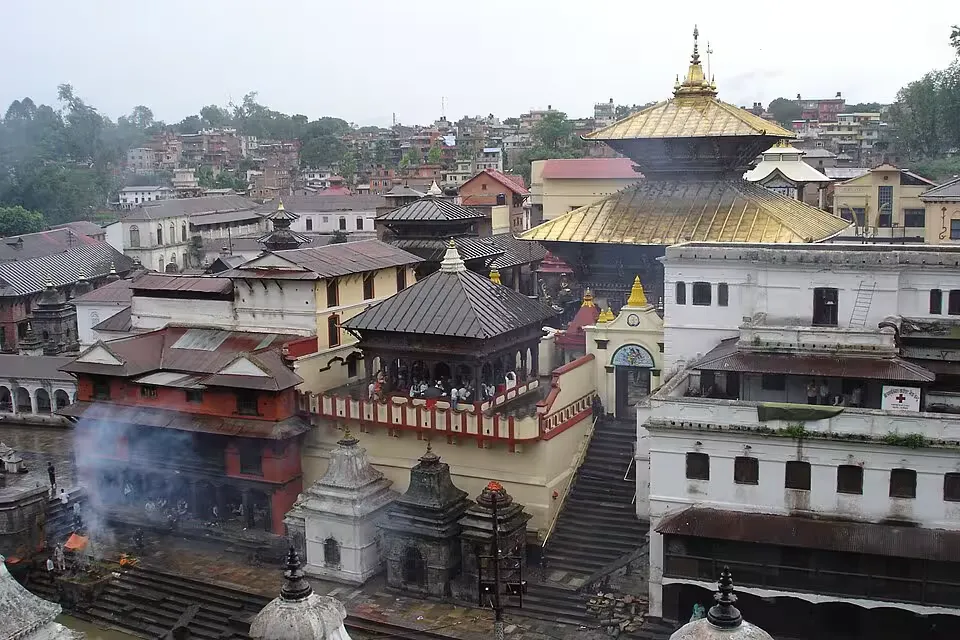
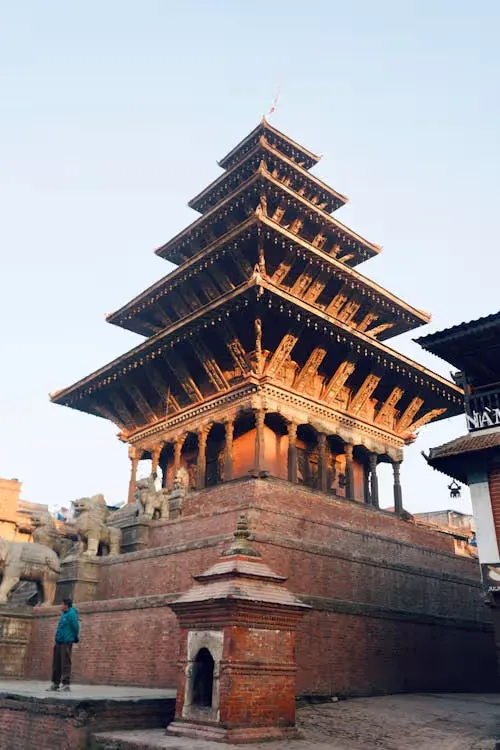
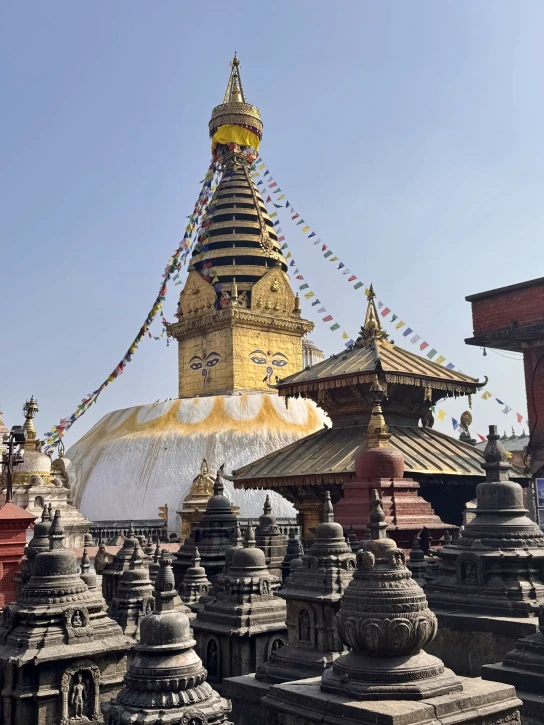
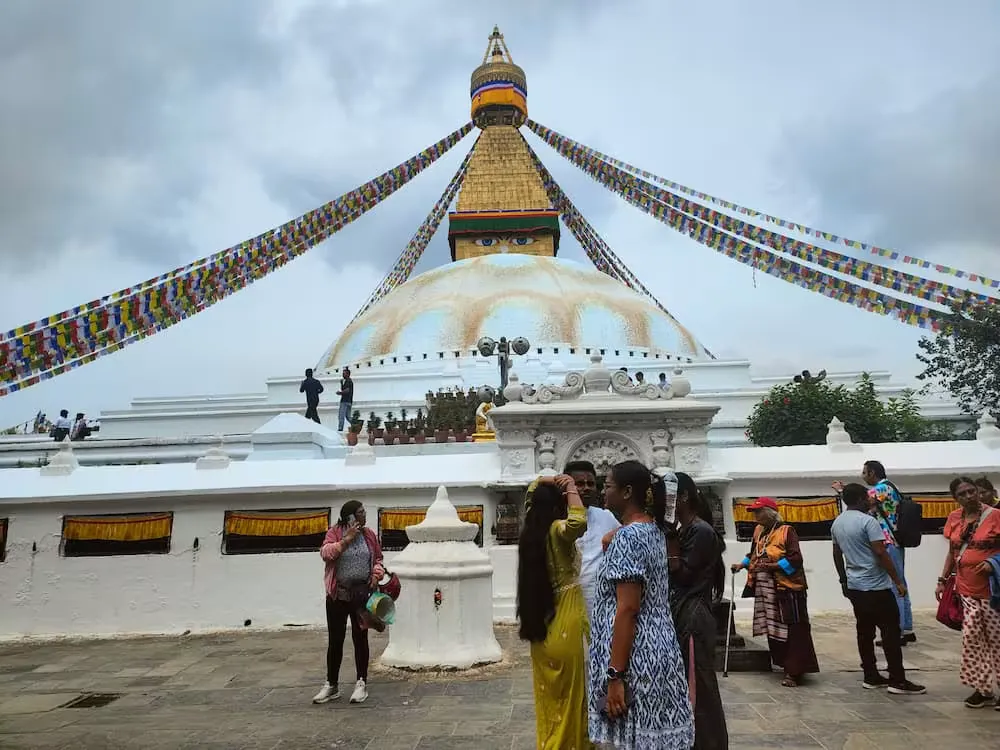
Nepal is a land where Hinduism and Buddhism have coexisted and intertwined for centuries, creating a unique syncretic culture. In the Kathmandu Valley alone, you'll visit Swayambhunath with its 2,000-year history, the sacred Hindu temple of Pashupatinath where sadhus meditate and cremation ceremonies take place, and the massive Boudhanath Stupa where Tibetan monks circumambulate daily. You'll explore the temple squares of Patan and Bhaktapur, each with their own distinct architectural styles and religious significance.
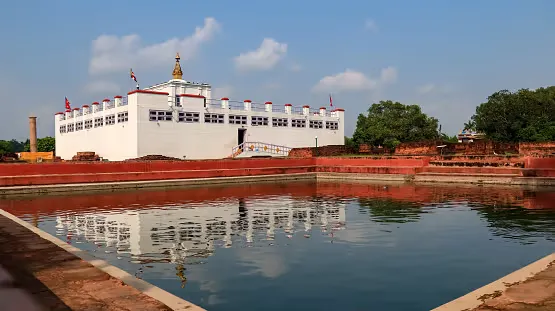
The journey continues to Pokhara, where the World Peace Pagoda overlooks the serene Phewa Lake and the Tal Barahi Temple sits on an island sanctuary. The spiritual climax comes in Lumbini, where you'll walk in the footsteps of Buddha himself at the Mayadevi Temple and explore monasteries built by Buddhist countries from around the world.
Whether you seek spiritual enlightenment, cultural understanding, or simply the beauty of sacred architecture, this tour offers a deeply moving experience. Your expert guide will explain the mythology, symbolism, and rituals of each site, while allowing time for personal reflection and meditation. This is more than a tour—it's a spiritual journey through the heart of Nepal.
Tour Highlights
Best Time to Visit
Spring (Mar-May)
Pleasant temperatures, blooming flowers, and clear mountain views. Ideal for temple exploration and photography. Special festivals like Buddha Jayanti.
ExcellentAutumn (Sep-Nov)
Crystal-clear skies, perfect temperatures, and major festivals including Dashain and Tihar. Temples are beautifully decorated and full of devotees.
Best SeasonWinter (Dec-Feb)
Crisp clear air, excellent mountain views, and fewer crowds. Cool but sunny days perfect for exploring temples without the heat.
GoodNote: Monsoon (Jun-Aug) brings lush green landscapes but occasional rain. Temple visits are still possible with umbrella/raincoat. Lumbini remains accessible.
Day-by-Day Itinerary
Welcome to Nepal! Upon arrival at Tribhuvan International Airport, our representative will greet you and transfer you to your hotel in Kathmandu. After check-in, attend a comprehensive tour briefing where we'll discuss the itinerary, the significance of UNESCO World Heritage Sites, and handle any arrangements. Evening free to explore the vibrant streets of Thamel, with its bustling shops, restaurants, and cafes. Welcome dinner with traditional Nepali cuisine where you'll meet your tour guide and fellow travelers. Enjoy authentic dal bhat, momos, and other local specialties while learning about the cultural heritage of the Kathmandu Valley.
What's Included
Cost Includes
- All airport/hotel transfers in private vehicle
- 10 nights hotel accommodation (3-star with breakfast) as per itinerary
- All meals during the tour as specified (breakfast, lunch, dinner)
- Experienced English-speaking tour guide (government licensed, religious heritage expert)
- Local guides for heritage sites
- All ground transportation as per itinerary in private vehicle
- Domestic flights: Kathmandu to Pokhara & Bhairahawa to Kathmandu
- All monument entrance fees (temples, stupas, and sacred sites)
- Swayambhunath Stupa entrance fee
- Kathmandu Durbar Square entrance fee
- Pashupatinath Temple entrance fee
- Boudhanath Stupa entrance fee
- Patan Durbar Square entrance fee and museum
- Golden Temple entrance fee
- Bhaktapur Durbar Square entrance fee
- Changunarayan Temple entrance fee
- World Peace Pagoda (Pokhara) entrance
- Bindhyabasini Temple donation
- Tal Barahi Temple boat ride
- Davis Falls and Gupteshwor Cave entrance
- Sarangkot sunrise transport
- Lumbini Sacred Garden entrance
- Mayadevi Temple entrance
- Lumbini Museum entrance
- All international monasteries in Lumbini
- First aid medical kit
- Farewell dinner with cultural performance
- All government taxes and official expenses
- Emergency contact number 24/7
- Complimentary map of Nepal
- Bottled water during tours
- Meditation session at Boudhanath (optional)
Cost Excludes
- International airfare to/from Nepal
- Nepal visa fee ($30 USD for 15 days, $50 for 30 days - available on arrival)
- Travel insurance (mandatory - must cover emergency evacuation)
- Meals not specified in itinerary
- Alcoholic beverages and soft drinks
- Personal expenses (phone calls, laundry, souvenirs, etc.)
- Tips and gratuities for guides, drivers, and support staff (recommended)
- Emergency evacuation/helicopter rescue costs (covered by insurance)
- Any costs arising from unforeseen circumstances (weather, political unrest)
- Photography fees at certain temples (where applicable)
- Optional activities not mentioned in itinerary
- International phone calls and internet charges
- Donations at temples (optional, at your discretion)
Important Information for Pilgrims
- • Dress Code: Modest dress is required at all temples and stupas. Shoulders and knees must be covered. Remove shoes before entering temple premises. Carry socks for comfort.
- • Photography: Photography is permitted in most areas, but some temple interiors restrict it. Always ask permission before photographing people, especially sadhus and during rituals. Flash photography is often prohibited inside sanctums.
- • Temple Etiquette: Circumambulate stupas and temples clockwise. Do not touch religious artifacts or offerings. Speak softly and maintain respectful behavior. Follow your guide's instructions.
- • Physical Requirements: This tour involves walking on uneven stone streets and climbing stairs at temples. Comfortable walking shoes are essential. Some sites like Swayambhunath have 365 steps.
- • Travel Insurance: Mandatory - ensure your policy covers medical emergencies, trip cancellation, and evacuation.
- • Visa: Nepal visa available on arrival at Tribhuvan International Airport. Bring two passport photos and cash for visa fees ($30 for 15 days, $50 for 30 days).
Photo Gallery

Boudhanath Stupa - Sacred Buddhist Stupa in Kathmandu

Swayambhunath Stupa (Monkey Temple) with all-seeing eyes

Pashupatinath Temple on the banks of Bagmati River

Nyatapola Temple - Nepal's tallest pagoda in Bhaktapur

Mayadevi Temple - Birthplace of Lord Buddha, Lumbini
Frequently Asked Questions
What is the difference between a temple and a stupa?
In Nepal, temples are generally Hindu places of worship, often with pagoda-style architecture housing deities. Stupas are Buddhist structures containing relics, with a dome-shaped form representing the Buddha's mind. Stupas are circumambulated clockwise while spinning prayer wheels. Both are sacred and coexist throughout Nepal.
Can I enter the inner sanctums of temples?
Some temples allow Hindus only in the inner sanctum. Non-Hindus can observe from outside and explore the outer courtyards. Your guide will advise on which temples allow entry. Pashupatinath's inner court is for Hindus only, but the outer areas offer excellent viewing. Buddhist stupas and monasteries welcome all visitors.
What is the significance of the all-seeing eyes on stupas?
The eyes on Buddhist stupas (like Swayambhunath and Boudhanath) represent the all-seeing wisdom of Buddha. The nose is shaped like the Nepali number 'one' (ek), symbolizing unity. The third eye represents inner vision. They remind us that Buddha sees all actions and thoughts with wisdom and compassion.
Can I participate in rituals or meditation?
Yes! Many sites welcome respectful participation. You can spin prayer wheels, offer butter lamps at monasteries, receive tikka blessings at Hindu temples, and join meditation sessions (optional). Your guide will help you participate appropriately and explain the meaning of each ritual.
Is it appropriate to take photos of sadhus (holy men)?
Sadhus are accustomed to being photographed, but always ask permission first. Most expect a small donation (Rs. 50-100) for photos. Be respectful, as they are engaged in spiritual practice. Some sadhus will pose willingly; others prefer privacy. Your guide will help negotiate appropriately.
What should I bring for temple visits?
Bring modest clothing (shawls are useful for covering shoulders), socks for removing shoes, small denomination rupees for donations, a notebook for insights, and an open heart. Offerings like flowers or tikka powder can be purchased at temple entrances if you wish to participate in rituals.