Overview
The Kathmandu Valley Sightseeing Tour is the perfect introduction to Nepal's rich cultural heritage, taking you to four of the valley's most significant UNESCO World Heritage Sites in a single day. This comprehensive tour offers a journey through 2,000 years of history, art, architecture, and living religious traditions that continue to shape Nepalese life today.
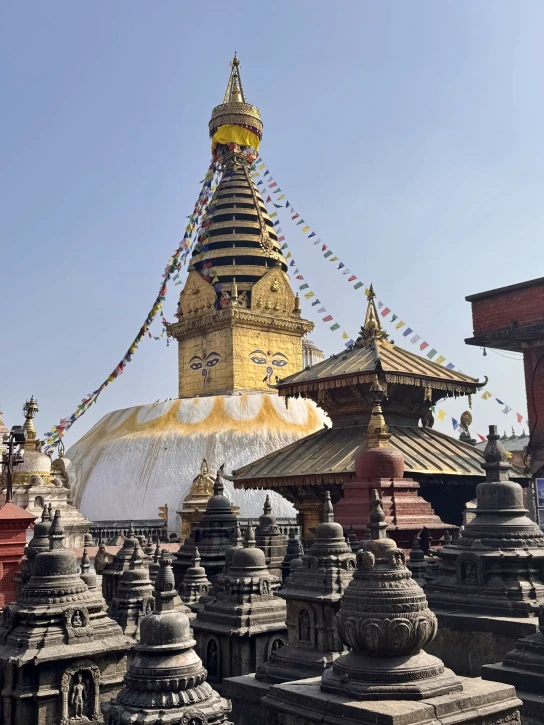
Your journey begins at Swayambhunath Stupa, also known as the Monkey Temple, perched on a hilltop overlooking the Kathmandu Valley. This ancient Buddhist stupa, dating back to the 5th century, is one of the most sacred sites in Nepal. Its iconic all-seeing eyes of Buddha gaze in all four directions, symbolizing wisdom and compassion. The climb up 365 steps takes you past meditation shrines, prayer wheels, and playful monkeys, rewarding you with panoramic valley views.
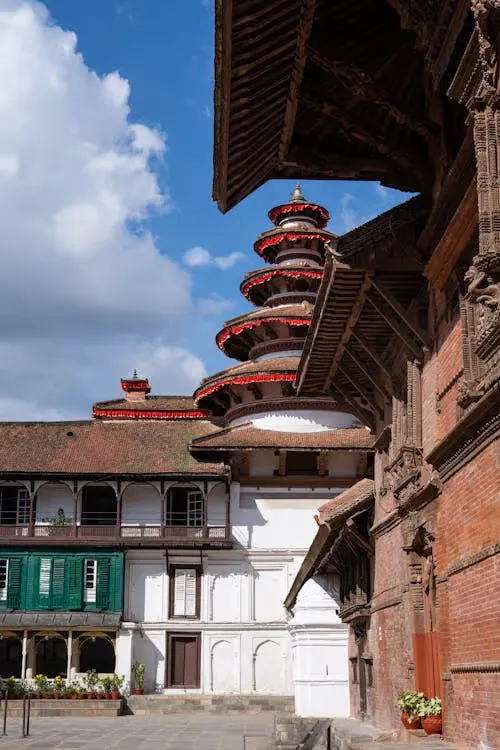
Next, you'll explore Kathmandu Durbar Square, the historic seat of royalty. This UNESCO World Heritage Site is a stunning collection of temples, palaces, and courtyards built between the 12th and 18th centuries. Here you'll visit the Kumari Ghar, home to the Living Goddess Kumari, a young girl worshipped as the incarnation of the goddess Taleju. The square's intricate woodcarvings, stone sculptures, and pagoda-style temples showcase the finest Newari craftsmanship.
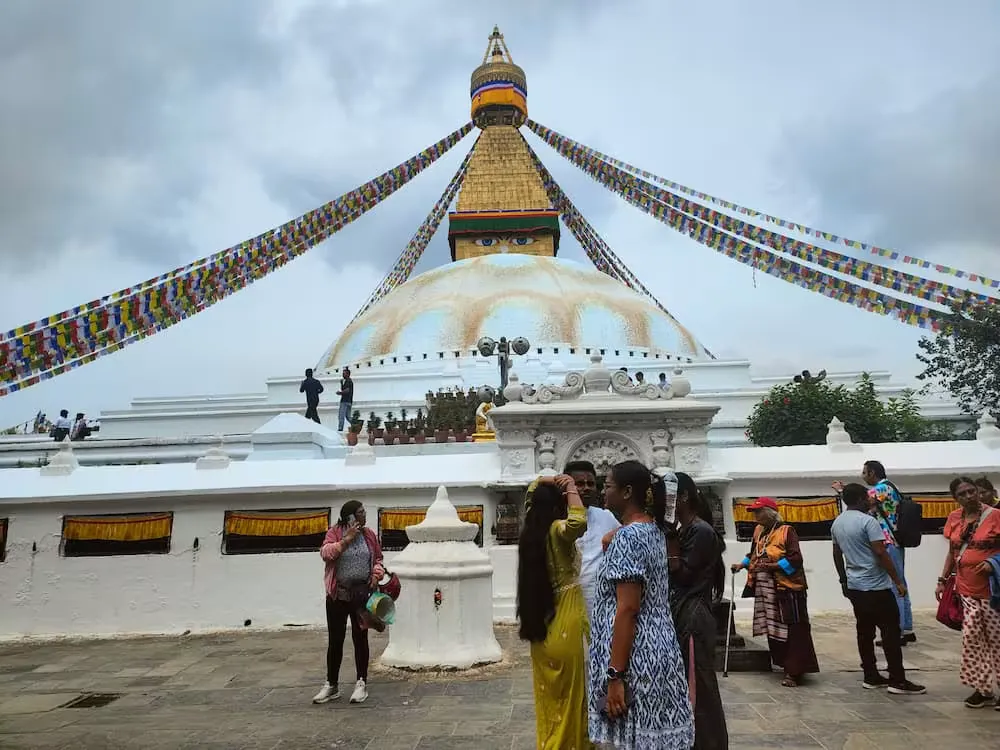
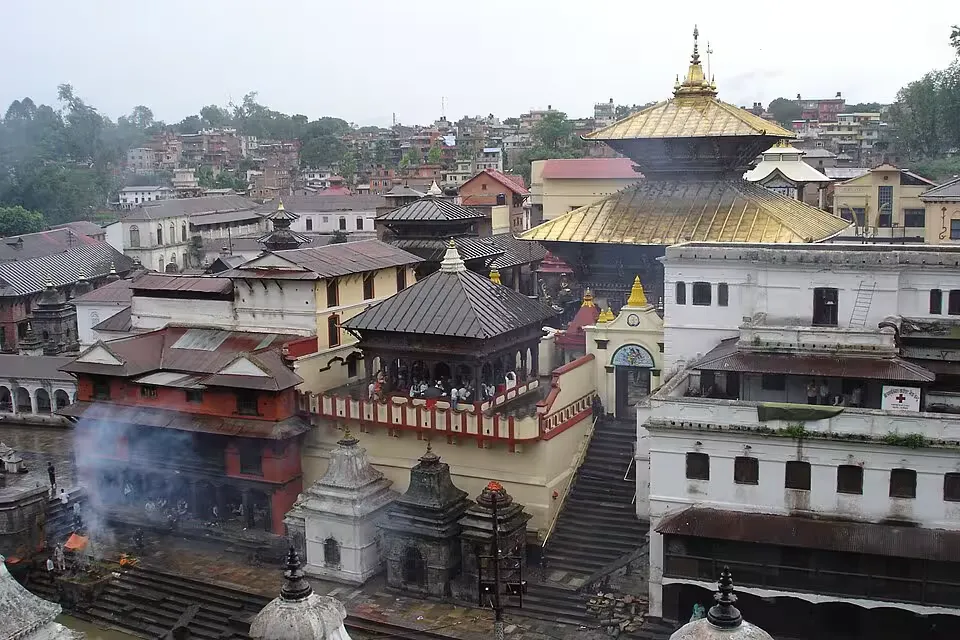
The tour continues to Pashupatinath Temple, the holiest Hindu temple in Nepal, dedicated to Lord Shiva. Located on the banks of the sacred Bagmati River, this sprawling complex is a place of pilgrimage, ritual, and cremation. You'll observe sadhus (holy men), devotees performing puja, and the traditional cremation ceremonies that have taken place here for centuries. The final stop is Boudhanath Stupa, one of the largest spherical stupas in South Asia and the center of Tibetan Buddhism in Nepal. Circumambulating the massive mandala while spinning prayer wheels, surrounded by fluttering prayer flags and the murmur of mantras, is a profoundly moving experience.
Tour Highlights
Best Time to Visit
Spring (Mar-May)
Pleasant temperatures and clear mornings. Ideal for photography with soft morning light. The valley is vibrant with spring colors.
ExcellentAutumn (Sep-Nov)
Crystal-clear skies, perfect temperatures, and vibrant festivals including Dashain and Tihar. The city is beautifully decorated.
Best SeasonWinter (Dec-Feb)
Cool, clear days with excellent visibility. Fewer tourists. Morning fog may delay start but usually clears by mid-morning.
GoodNote: The tour operates year-round. Monsoon (Jun-Aug) brings occasional rain, but heritage sites are still accessible with umbrella/raincoat.
Tour Itinerary
Your full-day cultural tour begins after breakfast at 9:00 AM when your private guide and driver will pick you up from your hotel in Kathmandu. You'll first drive to Swayambhunath Stupa (Monkey Temple), one of the most sacred Buddhist sites in Nepal. Perched on a hilltop west of Kathmandu, this ancient stupa offers panoramic views of the valley. Spend approximately 1.5 hours exploring the stupa, prayer wheels, and surrounding shrines. Next, drive to Kathmandu Durbar Square (20 minutes), the historic seat of royalty and a UNESCO World Heritage Site. Spend approximately 2 hours exploring the ancient palace complex, including the Kumari Ghar (home of the Living Goddess), Hanuman Dhoka Palace, and numerous temples. Enjoy a traditional Nepali lunch at a local restaurant. In the afternoon, continue to Pashupatinath Temple (20 minutes), one of the holiest Hindu temples dedicated to Lord Shiva. Spend approximately 1.5 hours along the banks of the Bagmati River, observing rituals and cremation ceremonies. Finally, visit Boudhanath Stupa (20 minutes), one of the largest stupas in South Asia and the center of Tibetan Buddhism in Nepal. Spend approximately 1 hour circumambulating the stupa and exploring the surrounding monasteries. Your guide will then drive you back to your hotel, arriving by approximately 5:00 PM.
Swayambhunath Stupa - The Monkey Temple
- History: Swayambhunath is one of the oldest religious sites in Nepal, dating back to the 5th century. Legend says the Kathmandu Valley was once a lake, and Swayambhu emerged as a self-created lotus flower on a hilltop. The stupa was built on this sacred spot.
- The Eyes: The all-seeing eyes of Buddha painted on all four sides of the stupa are among Nepal's most iconic images. The eyes represent wisdom and compassion, with the third eye symbolizing inner vision. The nose is shaped like the Nepali number 'one' (ek), symbolizing unity.
- The 365 Steps: The eastern approach features 365 steps, one for each day of the year. The climb takes you past meditation shrines, prayer wheels, and the resident monkeys that give the temple its nickname.
- Panoramic Views: From the hilltop, you'll enjoy sweeping views of the entire Kathmandu Valley, including the cityscape, surrounding hills, and on clear days, the Himalayan range.
- Surrounding Shrines: The complex includes numerous smaller shrines dedicated to Hindu and Buddhist deities, reflecting the syncretic nature of Nepalese religion. The Shantipur Temple and the Ajima shrines are particularly significant.
- Vajra and Toran: The thunderbolt (vajra) and the gilded toran (metal arch) at the stupa's entrance are masterpieces of metalwork, depicting the five Buddhas and other divine figures.
Kathmandu Durbar Square - Royal Heritage
- Kumari Ghar: This ornate palace is home to the Kumari, the Living Goddess. A young girl selected from the Newari Buddhist community, she is worshipped as the incarnation of the goddess Taleju. She appears at certain times of day from the central window to bless visitors.
- Hanuman Dhoka Palace: The ancient royal palace complex, named after the monkey god Hanuman whose statue guards the entrance. The palace features intricate woodcarvings, courtyards, and the historic Nasal Chowk where royal coronations took place.
- Taleju Temple: The tallest temple in the square, dedicated to the royal goddess Taleju. Non-Hindus cannot enter, but its magnificent architecture can be admired from outside.
- Majipat Lhakhang: A three-story pagoda dedicated to Avalokiteshvara, featuring beautiful woodcarvings and metalwork.
- Kasthamandap: Originally a rest house built from the wood of a single tree, this structure gave Kathmandu its name. Reconstructed after the 2015 earthquake, it remains a symbol of the city.
- Ashok Vinayak: A small but important Ganesh shrine in the center of the square, worshiped before any major undertaking.
Pashupatinath Temple - Sacred Hindu Shrine
- Main Temple: The two-story pagoda-style temple, with its golden roof and silver doors, houses the sacred linga of Lord Shiva. Non-Hindus cannot enter the inner courtyard but can view the temple from across the Bagmati River.
- Bagmati River: The river is considered sacred, and its banks are lined with cremation platforms (ghats). Arya Ghat is used for cremations of ordinary people, while the royal family was cremated at Raja Ghat. Observing the cremation rituals offers insight into Hindu beliefs about death and rebirth.
- Sadhus: The temple complex is home to many sadhus (holy men), recognizable by their orange robes, dreadlocks, and face paint. They are willing to be photographed for a small donation.
- Smaller Temples: The complex contains hundreds of smaller shrines, including the Guhyeshwari Temple and the Ram Temple. Each has its own significance and mythology.
- Pashupatinath Area: The surrounding area is filled with ashrams, monasteries, and lodges for pilgrims. The Kailashnath Temple and the Gorakhnath Temple are also worth visiting.
- Festivals: The biggest celebration is Maha Shivaratri (February/March), when hundreds of thousands of devotees gather to worship Lord Shiva. The atmosphere is electric with devotion.
Boudhanath Stupa - Center of Tibetan Buddhism
- History: Believed to have been built in the 5th century, Boudhanath is one of the largest stupas in South Asia. It stands at the ancient trade route to Tibet, and Tibetan merchants have offered prayers here for centuries. After the Chinese invasion of Tibet in 1959, many Tibetan refugees settled around the stupa, making it the center of Tibetan culture in Nepal.
- Architecture: The stupa's massive mandala represents the Buddhist cosmos. The white dome symbolizes the entire world, while the 13 rings above represent the stages to enlightenment. The all-seeing eyes of Buddha gaze in all four directions.
- Prayer Wheels: Surrounding the base are 108 small prayer wheels (a sacred number in Buddhism). Spinning them while circumambulating clockwise is believed to send prayers to the universe and bring good karma.
- Surrounding Monasteries: Boudhanath is surrounded by over 50 monasteries representing different schools of Tibetan Buddhism. The Shechen Monastery and Thrangu Tashi Yangtse Monastery are particularly beautiful and welcome visitors.
- Pilgrims: Throughout the day, you'll see Tibetan monks in maroon robes, pilgrims prostrating, and locals engaged in devotion. The atmosphere is peaceful and deeply spiritual.
- Evening Atmosphere: At sunset, hundreds of butter lamps are lit, and the chanting of mantras fills the air. The stupa is beautifully illuminated after dark.
What's Included
Cost Includes
- Private vehicle with driver for the full day
- Experienced English-speaking tour guide (heritage expert)
- Swayambhunath Stupa entrance fee
- Kathmandu Durbar Square entrance fee
- Pashupatinath Temple entrance fee
- Boudhanath Stupa entrance fee
- Traditional Nepali lunch at local restaurant
- Bottled water during the tour
- All government taxes and service charges
- Hotel pickup and drop-off (within Kathmandu valley)
Cost Excludes
- Meals not specified (dinner)
- Alcoholic beverages and soft drinks
- Personal expenses (phone calls, laundry, souvenirs, etc.)
- Tips and gratuities for guide and driver (recommended)
- Travel insurance
- Photography fees at certain temples (where applicable)
- Optional activities not mentioned in itinerary
- International phone calls and internet charges
Important Information for Your Visit
- • Dress Code: Modest dress is required at temples. Shoulders and knees should be covered. Remove shoes before entering temple premises. Carry socks for comfort.
- • Photography: Photography is permitted in most areas. Some temple interiors may restrict it. Always ask permission before photographing sadhus or during cremation ceremonies at Pashupatinath.
- • Kumari Appearance: The Living Goddess appears at certain times from her palace window, typically in the late afternoon. Her appearance is brief and not guaranteed. Your guide will time the visit for the best chance.
- • Pashupatinath Cremations: Photography of cremation ceremonies is strictly prohibited. Observing from a distance is acceptable. Your guide will explain the rituals respectfully.
- • Physical Requirements: This tour involves moderate walking (approximately 3-4 hours total) on uneven surfaces. Suitable for most fitness levels. Inform us of mobility concerns when booking.
- • What to Bring: Comfortable walking shoes, modest clothing, sun protection, water bottle, camera, and small denomination rupees for donations or offerings.
Photo Gallery

Swayambhunath Stupa (Monkey Temple) with all-seeing eyes of Buddha

Kathmandu Durbar Square with ancient temples and palace

Pashupatinath Temple on the banks of the Bagmati River

Boudhanath Stupa - Center of Tibetan Buddhism in Nepal
Frequently Asked Questions
What is the Living Goddess Kumari?
The Kumari is a prepubescent girl selected from the Newari Buddhist community who is worshipped as the living incarnation of the goddess Taleju. She lives in the Kumari Ghar palace and appears at certain times of day to bless visitors. The selection process involves 32 perfections, and once chosen, she lives in the palace until her first menstruation, after which a new Kumari is selected.
Can I see cremations at Pashupatinath?
Yes, open-air cremations take place daily on the banks of the Bagmati River. Photography of the cremation itself is strictly prohibited out of respect, but observing from a distance is acceptable. Your guide will explain the Hindu death rituals and their spiritual significance. The experience is profound and offers insight into Hindu beliefs about death and rebirth.
How much walking is involved?
You'll walk approximately 3-4 hours total throughout the day, with vehicle transfers between sites. The terrain is uneven with stone-paved streets and some stairs (especially at Swayambhunath). Comfortable walking shoes are essential. The pace is leisurely with plenty of time for rest and photography.
Is this tour suitable for children?
Yes, this tour is very family-friendly. Children are fascinated by the monkeys at Swayambhunath, the Living Goddess, and the colorful rituals. The tour pace is relaxed with breaks. Please let us know if you have specific needs for children.
Can I customize this tour?
Absolutely! This tour can be customized to your interests. You might want to spend more time at certain sites, add Patan or Bhaktapur, or focus more on photography. Please let us know your preferences when booking, and we'll create a personalized itinerary.
What is the best time of day for photography?
Morning light (9-11 AM) is excellent for Swayambhunath and Boudhanath. Late afternoon (3-5 PM) offers beautiful light at Pashupatinath and Kathmandu Durbar Square. Our itinerary is timed to provide good lighting at each location.