Dakshinkali, Pharping and Kirtipur Sightseeing
Day Sightseeing TourEasySpiritual Journey

DAKSHINKALI, PHARPING
& KIRTIPUR SIGHTSEEING TOUR

Discover the sacred heart of Nepal's spiritual traditions—from the powerful Goddess Kali temple at Dakshinkali to the ancient meditation caves of Pharping and the historic hilltop town of Kirtipur.

$120
$100

Overview

The Dakshinkali, Pharping & Kirtipur Sightseeing Tour is a unique journey into the spiritual heart of Nepal, exploring sites sacred to both Hindus and Buddhists. This tour offers a rare glimpse into the living traditions of Tantric Hinduism, ancient Buddhist meditation caves, and a historic hilltop town that has preserved its medieval character.

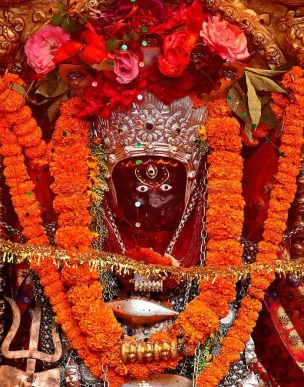
Dakshinkali Temple, located about 22 kilometers south of Kathmandu, is one of the most important Hindu temples in Nepal. Dedicated to the goddess Kali, the fierce form of Durga, this temple is a major pilgrimage site, especially on Tuesdays and Saturdays when animal sacrifices are offered. The temple is situated in a scenic gorge where a stream flows, creating a powerful and atmospheric setting.

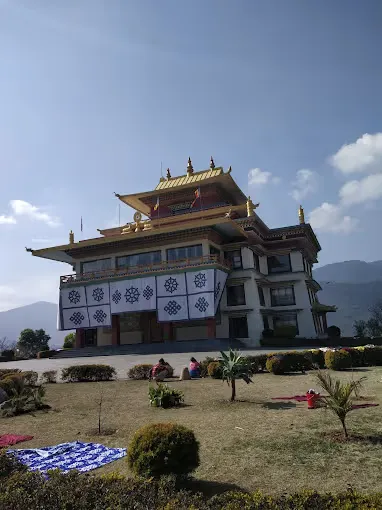
Pharping, also known as Pharping, is an ancient Newari town that has become one of the most important Buddhist pilgrimage sites in Nepal. It was here that Guru Rinpoche (Padmasambhava) meditated in a cave and achieved enlightenment, bringing Buddhism to Tibet. Today, Pharping is home to numerous monasteries, sacred caves, and a vibrant community of monks and nuns from various Tibetan Buddhist traditions.

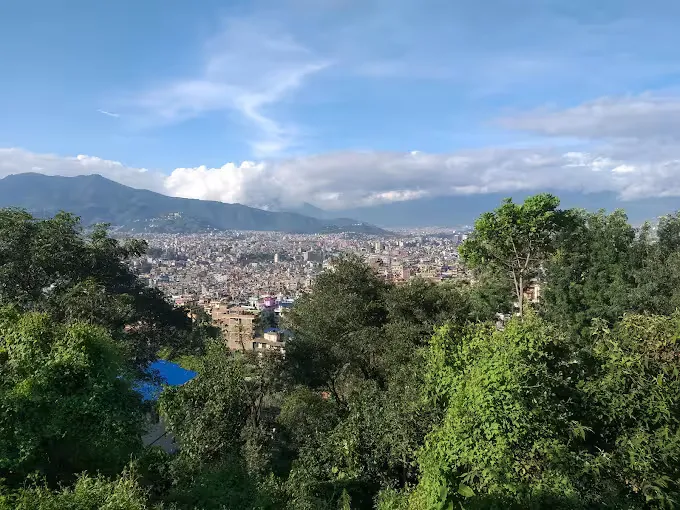
The tour concludes at Kirtipur, a historic Newari hilltop town that was once a independent kingdom. Overlooking the Kathmandu Valley, Kirtipur has preserved its traditional character with narrow streets, brick houses, and ancient temples. Its strategic location has made it a witness to pivotal moments in Nepalese history, and its peaceful atmosphere offers a perfect end to this spiritual journey.

Tour Highlights

Visit Dakshinkali Temple, one of Nepal's most powerful Hindu shrines
Experience the vibrant atmosphere on Tuesday or Saturday (animal sacrifice days)
Explore the sacred meditation caves of Pharping where Guru Rinpoche practiced
Visit Buddhist monasteries representing different Tibetan traditions
See the Asura Cave and Yangleshö Cave, important pilgrimage sites
Discover the ancient Newari town of Pharping with its unique culture
Explore historic Kirtipur, a hilltop town with panoramic valley views
Visit the Bagh Bhairab Temple and Uma Maheshwar Temple in Kirtipur
Enjoy traditional Nepali lunch at a local restaurant
Learn about the syncretic blend of Hindu and Buddhist traditions
Panoramic photography opportunities from Kirtipur's hilltop
Peaceful atmosphere away from the main tourist crowds

Best Time to Visit

Spring (Mar-May)

Pleasant temperatures and clear mornings. Ideal for exploring temples and caves. The hillsides are lush and green.

Excellent

Autumn (Sep-Nov)

Crystal-clear skies, perfect temperatures, and important religious festivals. Ideal time for pilgrimage and photography.

Best Season

Winter (Dec-Feb)

Cool, clear days with excellent visibility. Fewer tourists. Morning fog may delay start but usually clears by mid-morning.

Good

Note: The tour operates year-round. For the full Dakshinkali experience with animal sacrifices, plan your visit on a Tuesday or Saturday.

Tour Itinerary

Your full-day spiritual and cultural tour begins after breakfast at 9:00 AM when your private guide and driver will pick you up from your hotel in Kathmandu. You'll first drive to Dakshinkali (approximately 45 minutes), one of the most important Hindu temples dedicated to the goddess Kali. Spend approximately 1 hour experiencing this powerful sacred site, especially vibrant on Tuesdays and Saturdays when animal sacrifices take place. Next, drive to nearby Pharping (15 minutes), an ancient Newari town and important Buddhist pilgrimage site. Spend approximately 2 hours exploring the sacred caves where Guru Rinpoche meditated, visiting the monasteries, and experiencing the unique blend of Hindu and Buddhist traditions. Enjoy a traditional Nepali lunch at a local restaurant in Pharping. In the afternoon, drive to Kirtipur (30 minutes), a historic Newari hilltop town with panoramic valley views. Spend approximately 2 hours exploring its ancient temples, narrow streets, and enjoying the peaceful atmosphere. Your guide will then drive you back to Kathmandu, arriving at your hotel by approximately 4:30 PM.

Meeting Point: Your hotel in Kathmandu
Meals: Breakfast, Lunch
Dakshinkali TemplePharping meditation cavesBuddhist monasteriesKirtipur hilltop townPanoramic valley views

Dakshinkali Temple - The Goddess Kali's Shrine

  • Goddess Kali: Dakshinkali is dedicated to Kali, the fierce form of Durga, who represents time, change, and power. She is depicted as a dark goddess with a necklace of skulls, holding weapons and the head of a demon. Worshipers seek her protection and blessings.
  • Animal Sacrifice: The temple is famous for its animal sacrifices, particularly on Tuesdays and Saturdays, which are considered auspicious for Kali. Devotees offer chickens, goats, and sometimes buffalo to the goddess, believing that the sacrifice pleases her and brings blessings. This ancient tradition continues to this day.
  • Temple Layout: The temple is situated in a scenic gorge where a small stream flows. The main shrine houses the black stone image of Kali. The surrounding area has numerous smaller shrines dedicated to other deities.
  • Pilgrimage Site: Thousands of devotees visit Dakshinkali daily, with crowds swelling to tens of thousands on special festival days. The atmosphere is intense and devotional, offering a glimpse into living Hinduism.
  • Festivals: The biggest celebrations occur during Dashain (October) when animal sacrifices are offered throughout the festival. During this time, the temple is especially vibrant with pilgrims from across Nepal.
  • Photography Note: Photography is permitted in the temple complex, but be respectful during sacrifices. Your guide will advise on appropriate behavior and the best times to visit for a meaningful experience.

Pharping - Sacred Buddhist Pilgrimage

  • Guru Rinpoche's Cave: The most sacred site in Pharping is the cave where Guru Rinpoche (Padmasambhava) meditated and achieved enlightenment in the 8th century. He is credited with bringing Buddhism to Tibet and is revered as a second Buddha. The cave, now enshrined within a monastery, is a major pilgrimage destination for Buddhists from around the world.
  • Asura Cave: Another important meditation cave where Guru Rinpoche practiced and subdued negative forces. The cave contains a footprint believed to be his and is a powerful place for meditation.
  • Yangleshö Cave: This cave complex is where Guru Rinpoche performed important tantric practices. It is now part of a larger monastery complex with beautiful murals and statues.
  • Monasteries: Pharping is home to numerous monasteries representing different Tibetan Buddhist traditions. The Thrangu Tashi Yangtse Monastery, Shechen Monastery, and Namo Buddha Monastery are among the most important. Visitors can observe monks in prayer, study, and debate.
  • Newari Town: Beyond its Buddhist significance, Pharping is a traditional Newari town with brick houses, carved windows, and ancient temples. The blend of Hindu and Buddhist traditions is visible throughout the town.
  • Pilgrimage Circuit: For serious practitioners, Pharping is part of a larger pilgrimage circuit that includes Namo Buddha (where Buddha gave his body to a starving tigress) and other sacred sites in the Kathmandu Valley.

Kirtipur - Hilltop Historic Town

  • History: Kirtipur is an ancient Newari town that was once an independent kingdom. It was conquered by Prithvi Narayan Shah in 1767 during his unification of Nepal, and its resistance became legendary. The town's name means "City of Glory."
  • Bagh Bhairab Temple: The most important temple in Kirtipur, dedicated to Bhairab, the fierce form of Shiva. The temple features a striking stone image of the deity and intricate woodcarvings. It is guarded by stone lions and has a fascinating history.
  • Uma Maheshwar Temple: This beautiful temple dedicated to Shiva and Parvati is one of the finest examples of Newari architecture in the valley. Its multi-tiered roof and intricate carvings are exquisite.
  • Chilancho Stupa: A large Buddhist stupa on the hilltop offering panoramic views of the Kathmandu Valley and, on clear days, the Himalayan range. The stupa is an important pilgrimage site for Buddhists.
  • Traditional Architecture: Kirtipur has preserved its medieval character remarkably well. Narrow brick-paved streets wind between traditional Newari houses with carved windows and doors, creating a peaceful and authentic atmosphere.
  • Panoramic Views: From its hilltop location, Kirtipur offers stunning views of the Kathmandu Valley, including the distant Himalayas. The sunset view from here is particularly beautiful.

What's Included

Cost Includes

  • Private vehicle with driver for the full day
  • Experienced English-speaking tour guide (Hindu and Buddhist culture expert)
  • Dakshinkali Temple donation
  • Pharping monastery donations
  • Kirtipur temple entrance fees
  • Traditional Nepali lunch at local restaurant
  • Bottled water during the tour
  • All government taxes and service charges
  • Hotel pickup and drop-off (within Kathmandu valley)

Cost Excludes

  • Meals not specified (dinner)
  • Alcoholic beverages and soft drinks
  • Personal expenses (phone calls, laundry, souvenirs, etc.)
  • Tips and gratuities for guide and driver (recommended)
  • Travel insurance
  • Photography fees at certain temples (where applicable)
  • Optional activities not mentioned in itinerary
  • International phone calls and internet charges

Important Information for Your Visit

  • Dakshinkali Animal Sacrifice: Animal sacrifice is a traditional practice at Dakshinkali, especially on Tuesdays and Saturdays. If you are sensitive to this, please inform your guide, and they can arrange a visit on a quieter day or advise you on what to expect. The experience is an authentic part of Hindu tradition, but it is not for everyone.
  • Dress Code: Modest dress is required at all religious sites. Shoulders and knees should be covered. Remove shoes before entering temples and cave shrines.
  • Photography: Photography is generally permitted, but always ask before taking photos of people, especially during religious rituals. Some monasteries may restrict photography inside shrine rooms.
  • What to Bring: Comfortable walking shoes, modest clothing, sun protection, water bottle, camera, and small denomination rupees for offerings or donations.
  • Physical Requirements: The tour involves moderate walking on uneven surfaces, including some stairs at temple sites. Suitable for most fitness levels. Inform us of mobility concerns when booking.
  • Cultural Sensitivity: These are active religious sites. Be respectful of worshipers, follow your guide's instructions, and maintain a quiet demeanor in meditation areas.

Frequently Asked Questions

What days are best for visiting Dakshinkali?

Tuesdays and Saturdays are the most vibrant days at Dakshinkali, when animal sacrifices are offered. These days offer the most authentic experience of Hindu devotion but can be crowded and intense. If you prefer a quieter visit, any other day is also meaningful, though you won't see sacrifices. Your guide can help you choose based on your preferences.

Who was Guru Rinpoche and why is Pharping important?

Guru Rinpoche (Padmasambhava) was an 8th-century Buddhist master who is credited with bringing Buddhism to Tibet. He meditated in caves in Pharping and achieved enlightenment, making this one of the most important Buddhist pilgrimage sites in the world. Tibetan Buddhists believe he is a second Buddha, and visiting his meditation caves is considered highly meritorious.

Can I meditate in the caves at Pharping?

Yes, visitors are welcome to meditate quietly in the caves. Many pilgrims do so, and the atmosphere is conducive to contemplation. Your guide can help you find a quiet time. Be respectful of others who may be engaged in their own practice. Some caves have designated meditation areas.

Is Kirtipur worth visiting after seeing other durbar squares?

Absolutely. Kirtipur offers something different from the main durbar squares. It's a living town rather than a museum, with a peaceful, authentic atmosphere. Its hilltop location provides stunning valley views, and its temples and architecture are beautiful but less crowded. It's a wonderful place to experience traditional Newari life away from tourist crowds.

How much walking is involved in this tour?

The tour involves moderate walking, approximately 2-3 hours total throughout the day. The terrain is generally easy, though there are some stairs at temple sites and uneven stone streets in Kirtipur. The pace is leisurely with plenty of time for rest and photography. The vehicle is always nearby.

Can I combine this tour with other nearby attractions?

Yes, depending on your interests and time, this tour can be extended to include Namo Buddha (another important Buddhist pilgrimage site) or additional time in any of the locations. Please inquire when booking for a customized itinerary. The standard tour is designed to be relaxed and comprehensive.

Spiritual Heritage Timeline

8th Century
Guru Rinpoche meditates in Pharping caves and achieves enlightenment
12th Century
Kirtipur established as an independent Newari kingdom
17th Century
Dakshinkali Temple becomes major pilgrimage site
1767
Kirtipur conquered by Prithvi Narayan Shah during unification
1970s
Tibetan monasteries established in Pharping by exiled lamas
With every trip comes new optimism...

What's Your Perfect Adventure?

You dream it. We plan it. Let's build your adventure together.

Chat on WhatsApp