Overview
The Bungamati, Khokana & Patan Sightseeing Tour is a unique full-day journey that combines authentic Newari village life with the artistic splendor of one of Nepal's most beautiful royal cities. This tour offers a rare glimpse into traditional lifestyles that have remained largely unchanged for centuries, followed by the architectural and artistic treasures of Patan.
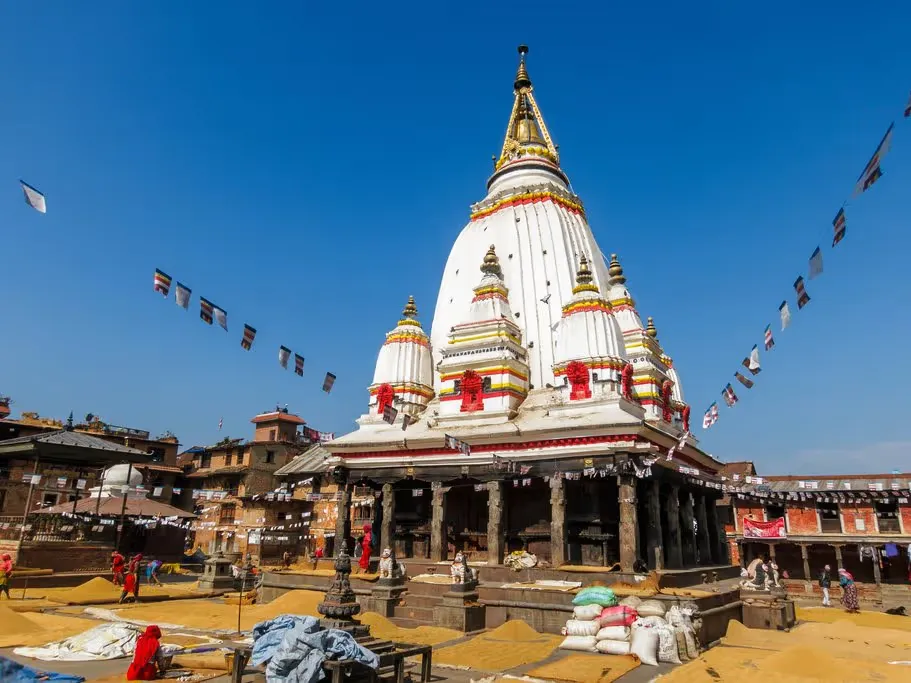
Bungamati is a traditional Newari village located on the banks of the Bagmati River, south of Kathmandu. It is considered the birthplace of the god Rato Machhindranath, the patron deity of Patan, and his magnificent chariot festival begins here every year. The village is also renowned for its woodcarving tradition, with skilled artisans creating intricate temple carvings and decorative pieces. Walking through Bungamati's narrow brick-paved streets, you'll see traditional Newari houses with carved windows and doors, and experience a pace of life far removed from the capital.
Khokana, just a short distance from Bungamati, is a medieval Newari village that has preserved its traditional character remarkably well. It is famous throughout Nepal for its mustard oil production, using traditional stone presses powered by water buffalo. The village's narrow alleys, traditional houses, and agricultural lifestyle offer an authentic glimpse into rural Newari culture. Khokana was also the first village in Nepal to have electricity, and its unique layout and architecture make it a fascinating place to explore.
The tour concludes in Patan (Lalitpur), the 'City of Fine Arts,' where you'll explore the magnificent Patan Durbar Square, a UNESCO World Heritage Site. With its stunning collection of temples, the ancient royal palace (now the Patan Museum), and living artisan quarters, Patan provides a perfect contrast to the rural villages you visited earlier. This combination of village life and royal heritage offers a comprehensive understanding of Newari culture in all its dimensions.
Tour Highlights
Best Time to Visit
Spring (Mar-May)
Pleasant temperatures and clear mornings. Villages are vibrant with spring colors. Ideal for photography and comfortable walking.
ExcellentAutumn (Sep-Nov)
Crystal-clear skies, perfect temperatures, and post-harvest activity in villages. Ideal time to see agricultural life and festivals.
Best SeasonWinter (Dec-Feb)
Cool, clear days with excellent visibility. Fewer tourists. Mustard oil production in full swing. Morning fog may clear by mid-morning.
GoodNote: The tour operates year-round. Monsoon (Jun-Aug) brings occasional rain but villages are lush and green. Umbrella/raincoat recommended.
Tour Itinerary
Your full-day cultural tour begins after breakfast at 9:00 AM when your private guide and driver will pick you up from your hotel in Kathmandu. You'll first drive to Bungamati (approximately 45 minutes), a traditional Newari village known as the birthplace of the god Rato Machhindranath. Spend approximately 1.5 hours exploring this charming village, visiting the Rato Machhindranath Temple, and observing woodcarving workshops. Next, drive to nearby Khokana (15 minutes), a medieval Newari village famous for its mustard oil production and traditional lifestyle. Spend another 1.5 hours wandering through its narrow streets, visiting the oil mills, and experiencing authentic village life. After a traditional Newari lunch at a local restaurant, continue to Patan (30 minutes), the 'City of Fine Arts.' Spend approximately 2-3 hours exploring Patan Durbar Square, a UNESCO World Heritage Site, with its magnificent temples, royal palace, and artisan workshops. In the late afternoon, your guide will drive you back to Kathmandu, arriving at your hotel by approximately 5:00 PM.
Bungamati - Birthplace of the Rain God
- Rato Machhindranath Temple: Bungamati's main temple is dedicated to the god Rato Machhindranath, the deity of rain and compassion. The temple's intricate woodcarving and architecture are excellent examples of Newari craftsmanship. The god resides here for six months each year before being moved to Patan for the famous chariot festival.
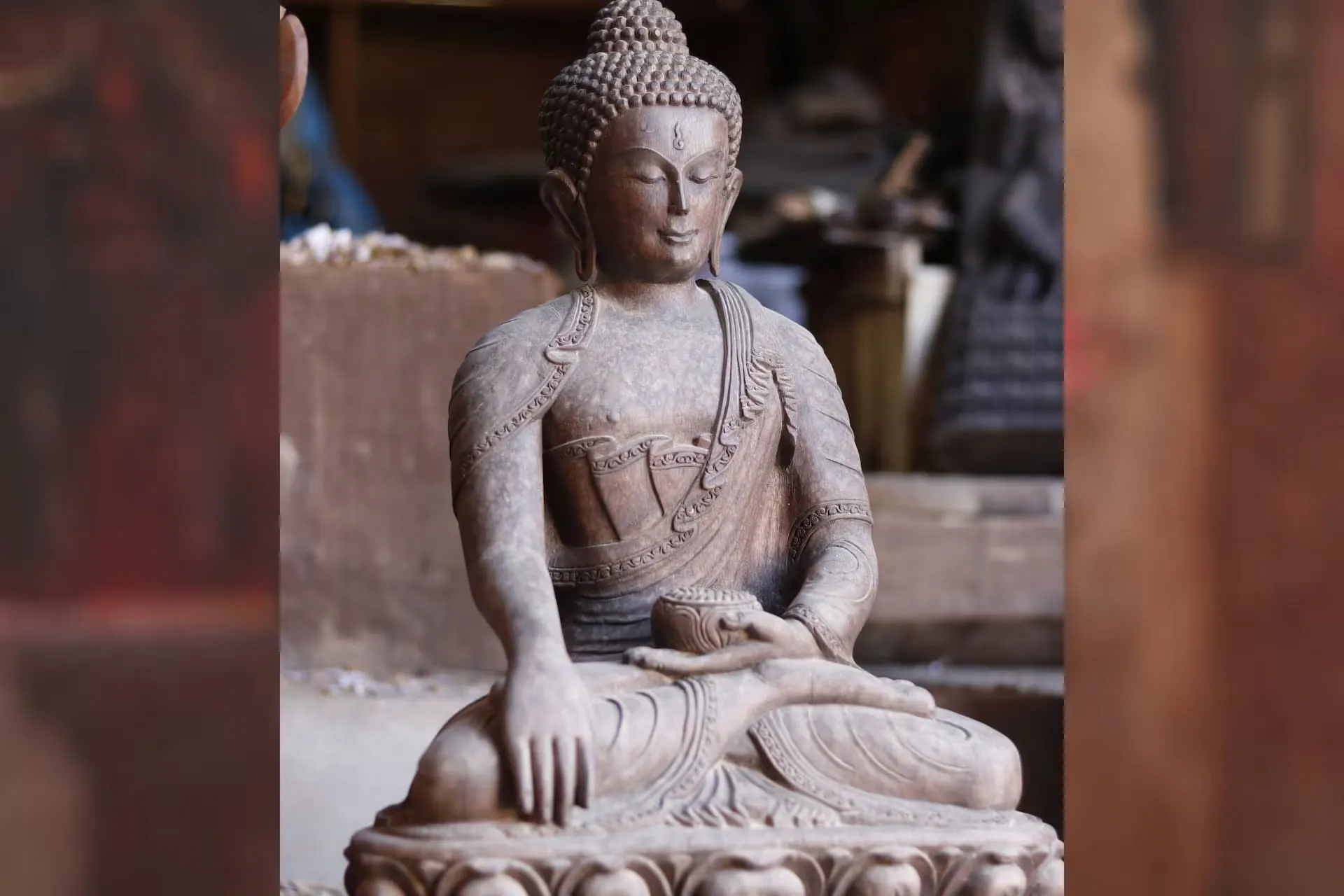
- Woodcarving Tradition: Bungamati is renowned throughout Nepal for its skilled woodcarvers. Many of the intricately carved windows, doors, and temple struts found across the Kathmandu Valley were crafted here. You can visit workshops where artisans continue this ancient tradition.
- Traditional Architecture: The village features classic Newari houses with brick facades, carved wooden windows, and tiled roofs. Narrow brick-paved streets create a maze-like layout typical of medieval Newari settlements.
- Rato Machhindranath Chariot Festival: This is one of Nepal's longest and most important festivals, lasting several months. The massive chariot is constructed in Patan, pulled through the streets, and eventually reaches Bungamati, where the god resides for six months. The festival attracts thousands of devotees.
- Village Layout: Bungamati is built on a ridge overlooking the Bagmati River. Its strategic location and traditional layout reflect centuries of Newari urban planning and social organization.
- Local Life: Wander through the village to see daily life—women winnowing grain, children playing in the streets, and elders gathered in public squares. The pace of life here is unhurried and authentic.
Khokana - The Mustard Oil Village
- Mustard Oil Production: Khokana is famous throughout Nepal for its traditional mustard oil. The village has dozens of oil presses (called 'kol') powered by water buffalo. You can see the entire process—from pressing the seeds to bottling the golden oil—using methods unchanged for centuries.
- Medieval Layout: Khokana's street layout is a masterpiece of medieval planning. The main street runs north-south with a drainage channel, and the village is organized according to traditional Newari social structure. It was the first village in Nepal to have electricity (in 1960), yet it has preserved its traditional character remarkably well.
- Shephardess Temple: The village's main temple is dedicated to the goddess Shephardess, reflecting Khokana's agricultural heritage. The temple architecture is simple but elegant.
- Agricultural Lifestyle: Surrounding Khokana are fertile fields where villagers grow mustard, rice, and vegetables. Depending on the season, you may see harvesting, threshing, or planting activities.
- Traditional Houses: Khokana's houses are classic examples of Newari residential architecture, with brick ground floors and wooden upper stories. Many have carved windows and doors, though less ornate than in the royal cities.
- UNESCO Recognition: Khokana has been nominated as a UNESCO World Heritage Site candidate due to its outstanding preservation of medieval Newari village life and traditional technology.
Patan - City of Fine Arts
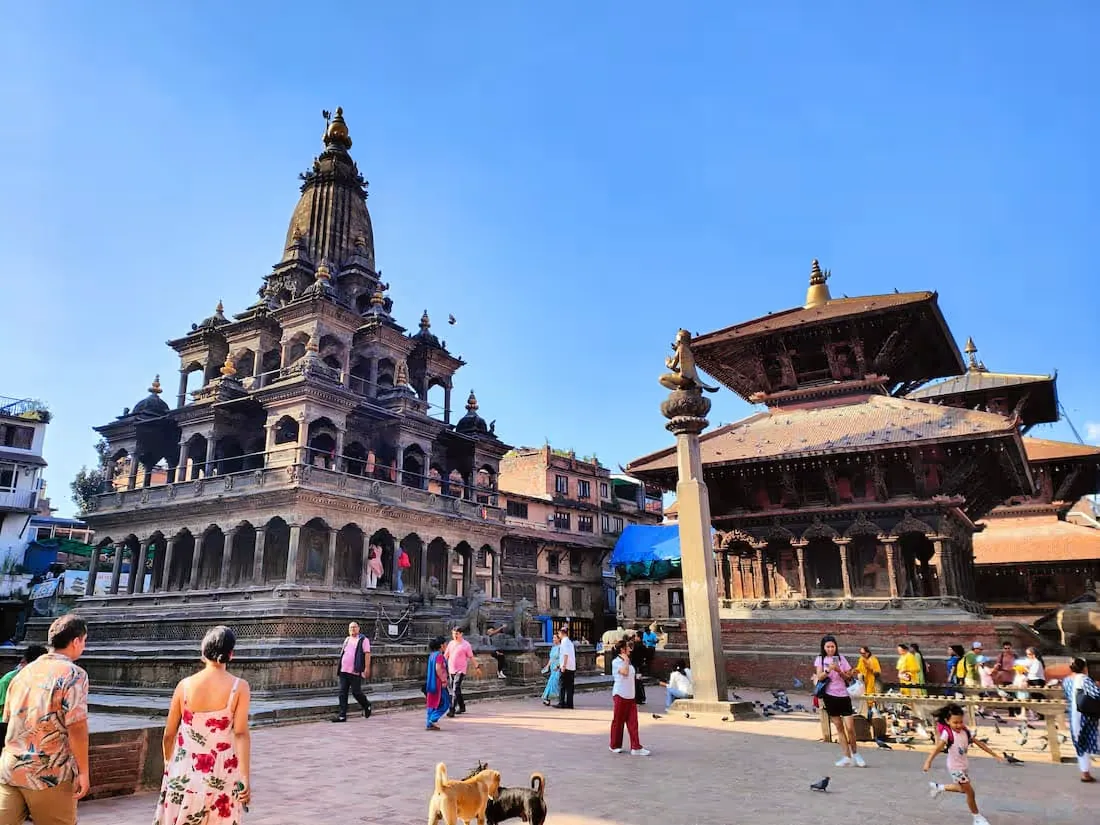
- Patan Durbar Square: This UNESCO World Heritage Site is a stunning collection of temples, statues, and palaces. Highlights include the Krishna Temple (built entirely of stone), the Hiranya Varna Mahavihar (Golden Temple), and the ancient royal palace.
- Patan Museum: Housed in the former royal palace, this is widely considered the best museum in Nepal. Its collection of bronze statues, religious art, and historical artifacts is world-class and beautifully displayed.
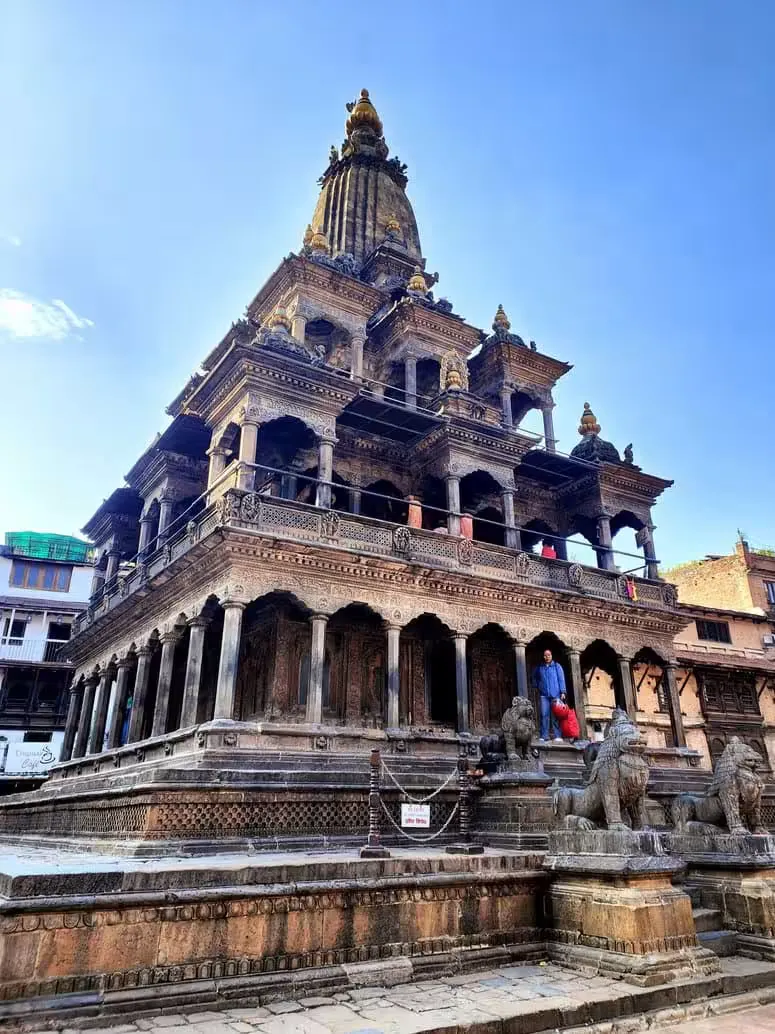
- Krishna Temple: Built in the 17th century, this stone temple features 21 shrines and exquisite carvings depicting scenes from the Mahabharata and Ramayana. It is one of Patan's most beloved landmarks.
- Golden Temple: Officially Hiranya Varna Mahavihar, this Buddhist monastery features a gilded facade, beautiful courtyards, and ancient statues. It is one of Patan's most sacred sites.
- Artisan Quarters: Patan's backstreets are filled with workshops where metalworkers, woodcarvers, and Thanka painters continue their ancient crafts. You can observe artisans at work and purchase authentic pieces.
- Mahabouddha Temple: Also known as the "Temple of a Thousand Buddhas," this terra-cotta temple is adorned with thousands of Buddha images.
What's Included
Cost Includes
- Private vehicle with driver for the full day
- Experienced English-speaking tour guide (Newari culture expert)
- Patan Durbar Square entrance fee
- Patan Museum entrance fee
- Bungamati village donation
- Khokana village donation
- Traditional Newari lunch at local restaurant
- Bottled water during the tour
- All government taxes and service charges
- Hotel pickup and drop-off (within Kathmandu valley)
Cost Excludes
- Meals not specified (dinner)
- Alcoholic beverages and soft drinks
- Personal expenses (phone calls, laundry, souvenirs, etc.)
- Tips and gratuities for guide and driver (recommended)
- Travel insurance
- Photography fees at certain temples (where applicable)
- Optional activities not mentioned in itinerary
- International phone calls and internet charges
Important Information for Your Visit
- • What to Wear: Comfortable walking shoes are essential as you'll be walking on uneven stone streets. Modest dress is appreciated at temples. Sun hat and sunscreen recommended.
- • Village Etiquette: These are living villages where people go about their daily lives. Ask permission before photographing people, and be respectful of private spaces. A smile goes a long way.
- • Photography: Photography is welcome in public areas. Some workshops may request a small fee for photography. Always ask before taking portraits.
- • Shopping: Bungamati is an excellent place to purchase authentic woodcarvings directly from artisans. Khokana's mustard oil makes a unique souvenir. Patan's artisan quarters offer metalwork and Thanka paintings.
- • Physical Requirements: This tour involves moderate walking (approximately 3-4 hours total) on uneven surfaces. Suitable for most fitness levels. Inform us of mobility concerns when booking.
- • Cultural Sensitivity: These are traditional communities. Dress modestly, speak softly, and follow your guide's instructions on proper behavior.
Photo Gallery

Traditional Newari village of Bungamati with its temple

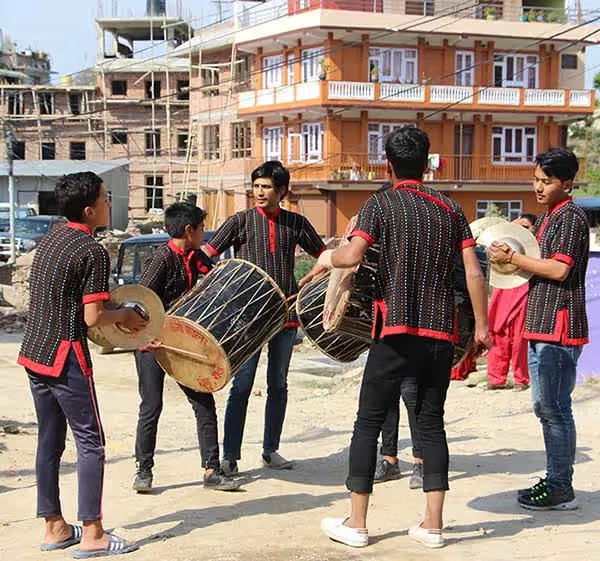
Newari men playing Dhime Baaja

Patan Durbar Square - UNESCO World Heritage Site

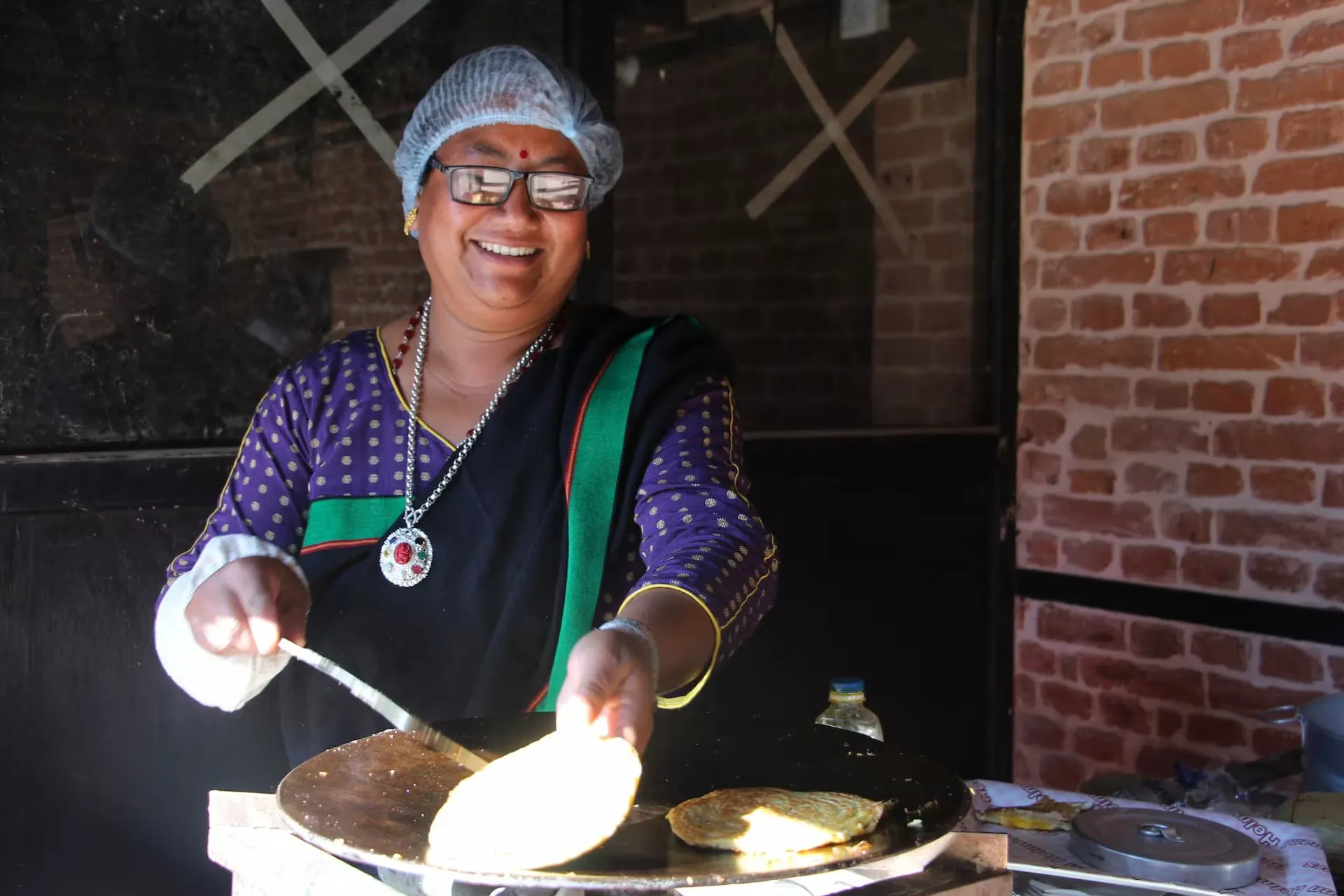
Local Newari Food in Bungamati, Khokana

Traditional woodcarving workshops in Bungamati

Krishna Temple in Patan Durbar Square
Frequently Asked Questions
What makes Bungamati and Khokana special compared to other villages?
These villages are remarkable for their exceptional preservation of traditional Newari culture, architecture, and crafts. Bungamati is Nepal's premier woodcarving center and the birthplace of the rain god Rato Machhindranath. Khokana has preserved its medieval street layout and traditional mustard oil industry, with working oil presses using methods unchanged for centuries. Together they offer an authentic glimpse into pre-modern Newari life that's increasingly rare to find.
Can I buy mustard oil in Khokana?
Yes! Khokana's mustard oil is famous throughout Nepal for its purity and flavor. You can purchase bottles directly from the oil presses or local shops. The oil makes an excellent and authentic souvenir. Prices are very reasonable, and you'll be supporting the local economy directly.
Are there opportunities to buy woodcarvings in Bungamati?
Absolutely. Bungamati is renowned for its woodcarving tradition, and you can visit workshops where artisans create everything from small decorative pieces to elaborate temple struts. Purchasing directly from the artisans ensures authenticity and fair prices. Your guide can help with communication and fair negotiation.
How much walking is involved in the villages?
You'll walk approximately 1-1.5 hours in each village on uneven brick-paved streets. The terrain is generally flat but requires comfortable walking shoes. The pace is leisurely with plenty of stops for photos and explanations. If you have mobility concerns, please inform us when booking.
Is this tour suitable for children?
Yes, this tour is very family-friendly. Children love seeing the animals, the oil presses, and the narrow village streets. The pace is relaxed, and there are opportunities for breaks. The traditional Newari lunch is also usually popular with children. Please let us know if you have specific needs for children.
What is the best time of year to see mustard oil production?
Mustard oil production happens year-round, but winter (December-February) is when you're most likely to see the presses in full operation. The mustard harvest occurs in late autumn, so production is especially active during winter months. However, there's almost always some production happening regardless of season.