Bouddhanath Stupa and Kapan Monastery
Day Sightseeing TourEasySpiritual Journey

BOUDDHANATH & KAPAN
SIGHTSEEING TOUR

Experience the spiritual heart of Tibetan Buddhism in Nepal—explore the magnificent Bouddhanath Stupa and find peace at the serene Kapan Monastery, with opportunities to interact with monks.

$120
$100

Overview

The Bouddhanath & Kapan Sightseeing Tour is a half-day spiritual journey to two of the Kathmandu Valley's most significant Buddhist sites. This tour offers a perfect introduction to Tibetan Buddhism in Nepal, combining the grandeur of one of the world's largest stupas with the peaceful serenity of a working monastery.

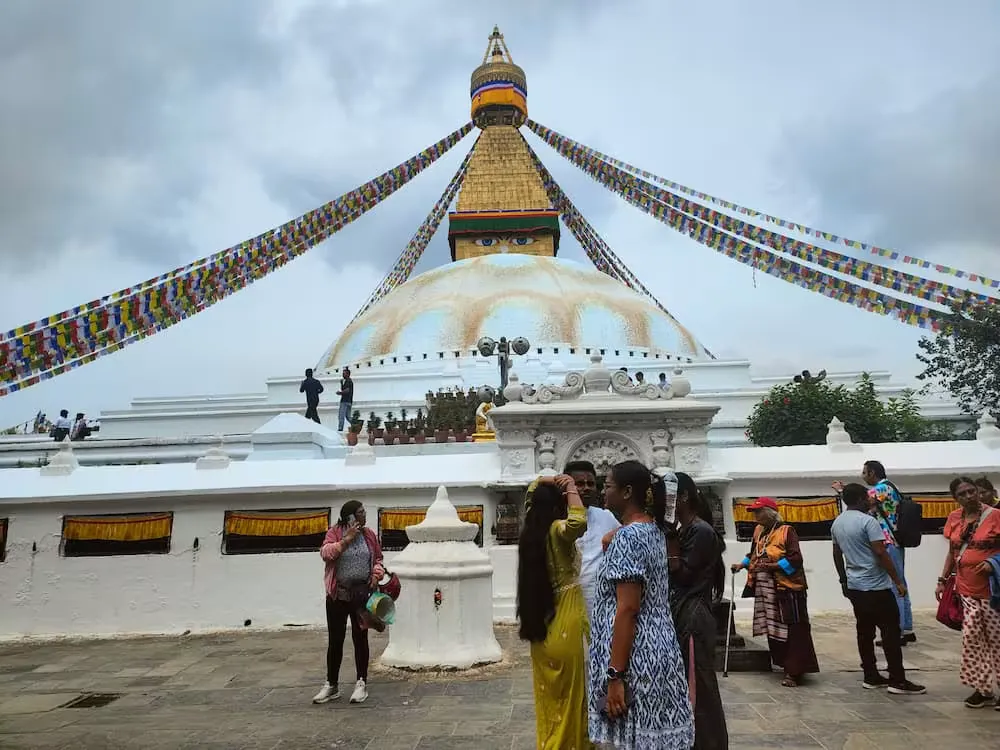
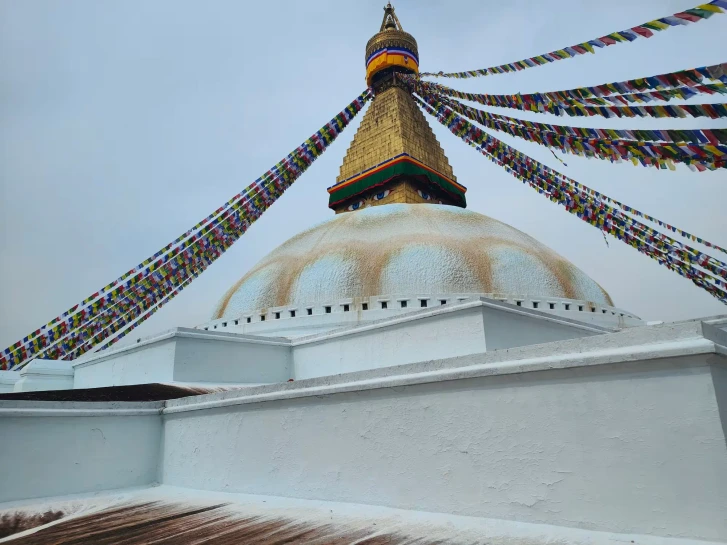
Bouddhanath Stupa is one of the largest spherical stupas in South Asia and a UNESCO World Heritage Site. Standing at 36 meters tall, it has been a center of Tibetan Buddhism in Nepal for centuries and is a focal point for Tibetan refugees who have settled in the area. The stupa's massive mandala, all-seeing eyes of Buddha, and fluttering prayer flags create an atmosphere of profound spirituality. Surrounding the stupa are dozens of monasteries, shops selling Tibetan crafts, and restaurants serving traditional Tibetan cuisine.

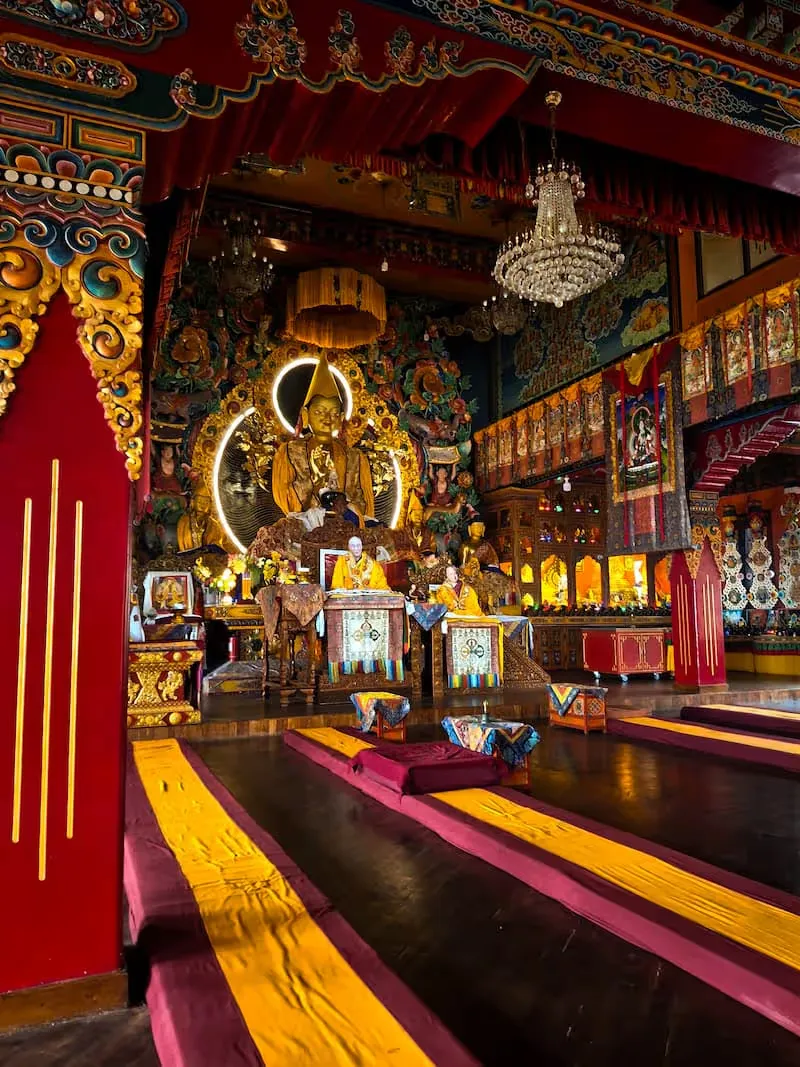
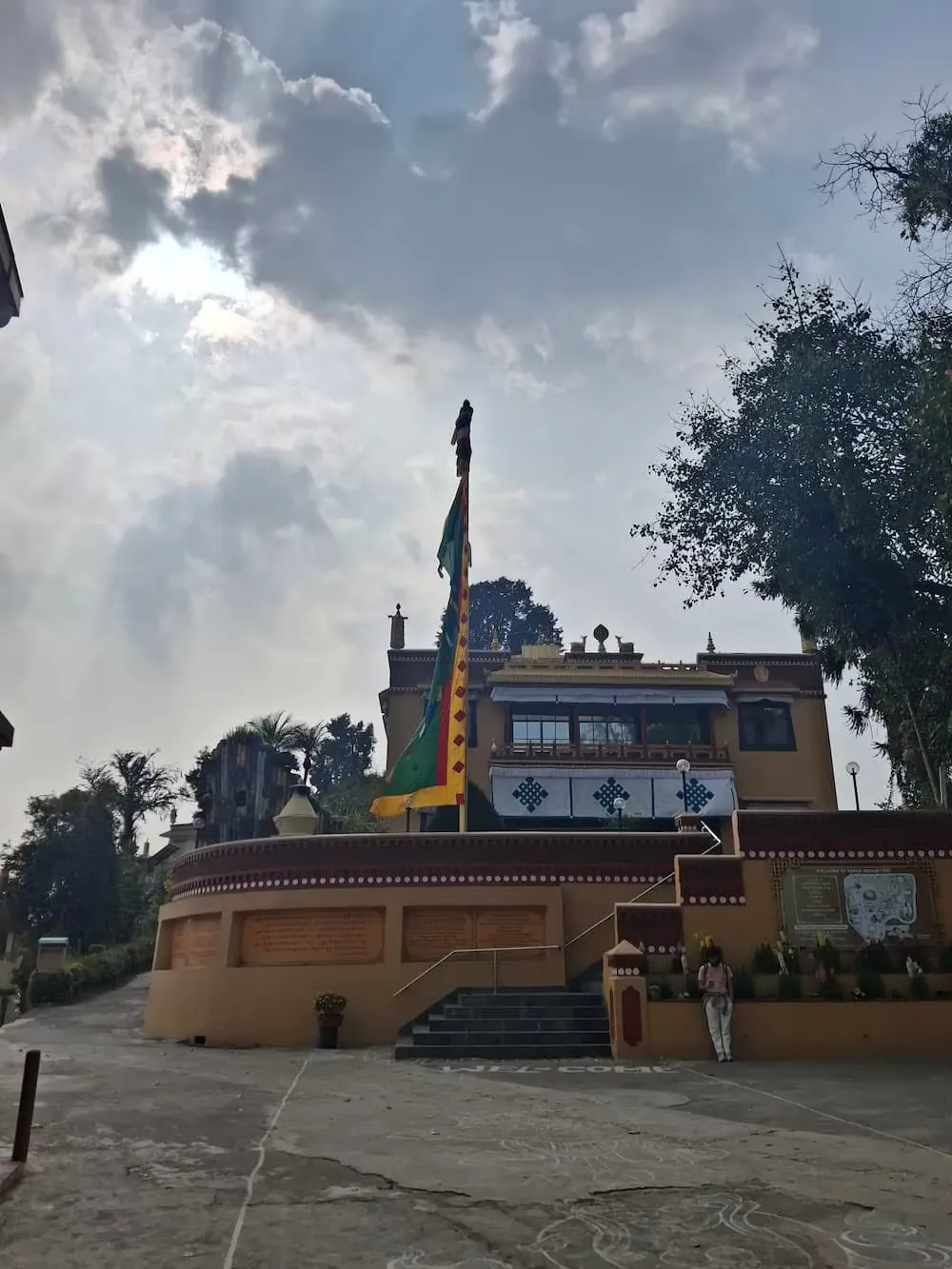
Kapan Monastery (officially known as Thrangu Tashi Yangtse Monastery) is a serene Buddhist monastery perched on a hilltop just north of Bouddhanath. Established in 1975 by the Ven. Thrangu Rinpoche, it serves as a monastic college for over 300 monks and nuns. The monastery offers breathtaking panoramic views of the Kathmandu Valley and the Himalayan foothills on clear days. Unlike the bustling stupa, Kapan provides a peaceful retreat where you can observe monks in meditation, attend prayer sessions, and learn about Buddhist philosophy.

With an expert guide to explain Buddhist symbolism, monastic life, and the history of these sacred sites, this tour provides a rich cultural and spiritual experience. Perfect for those seeking peace, cultural understanding, or simply a beautiful introduction to Tibetan Buddhism in Nepal.
Tour Highlights

Explore Bouddhanath Stupa, one of the largest stupas in South Asia (UNESCO World Heritage Site)
Circumambulate the massive mandala while spinning prayer wheels
Observe Tibetan monks and pilgrims engaged in daily rituals
Visit the surrounding monasteries and learn about Tibetan Buddhism
Drive to peaceful Kapan Monastery perched on a hilltop
Enjoy panoramic views of the Kathmandu Valley
Interact with resident monks and learn about monastic life
Observe or join meditation sessions (depending on schedule)
Photograph stunning architecture and spiritual moments
Learn about Buddhist symbolism, prayer flags, and the all-seeing eyes
Peaceful atmosphere away from the city crowds
Private transportation with hotel pickup and drop-off

Best Time to Visit

Spring (Mar-May)

Pleasant temperatures and clear mornings. Ideal for photography with soft morning light. The monasteries are vibrant with spring colors.

Excellent

Autumn (Sep-Nov)

Crystal-clear skies, perfect temperatures, and important Buddhist festivals including Mani Rimdu. The stupa is beautifully decorated.

Best Season

Winter (Dec-Feb)

Cool, clear days with excellent visibility. Fewer tourists at both sites. Morning fog may delay start but usually clears by mid-morning.

Good

Note: The tour operates year-round. Monsoon (Jun-Aug) brings occasional rain, but both sites are still accessible with umbrella/raincoat.

Tour Itinerary

Your half-day spiritual and cultural tour begins after breakfast at 9:00 AM when your private guide and driver will pick you up from your hotel in Kathmandu. You'll first drive to Bouddhanath Stupa (approximately 20 minutes), one of the largest spherical stupas in South Asia and a UNESCO World Heritage Site. Spend approximately 2 hours exploring this magnificent Buddhist shrine, the center of Tibetan Buddhism in Nepal. After Bouddhanath, you'll drive to the peaceful Kapan Monastery (approximately 15 minutes), a serene Buddhist monastery perched on a hilltop overlooking the Kathmandu Valley. Spend another 1.5-2 hours exploring the monastery, interacting with monks, and enjoying panoramic valley views. In the early afternoon, your guide will drive you back to Kathmandu, arriving at your hotel by approximately 1:30 PM.

Meeting Point: Your hotel in Kathmandu
Meals: Breakfast
Bouddhanath Stupa explorationKapan Monastery visitMonk interactionExpert guide commentary

Bouddhanath Stupa - The Heart of Tibetan Buddhism

  • History: Believed to have been built in the 5th century, Bouddhanath is one of the oldest and largest stupas in the world. It stands at the ancient trade route to Tibet, and Tibetan merchants have offered prayers here for centuries.
  • Architecture: The stupa's massive mandala represents the Buddhist cosmos. The white dome symbolizes the entire world, while the 13 rings above represent the stages to enlightenment. The all-seeing eyes of Buddha gaze in all four directions, symbolizing his omniscience.
  • Prayer Wheels: Surrounding the base are 108 small prayer wheels (a sacred number in Buddhism). Spinning them while circumambulating clockwise is believed to send prayers to the universe and bring good karma.
  • Tibetan Community: After the Chinese invasion of Tibet in 1959, many Tibetan refugees settled around Bouddhanath. Today, the area is the center of Tibetan culture in Nepal, with dozens of monasteries, thankas, and craft shops.
  • Surrounding Monasteries: Bouddhanath is surrounded by over 50 monasteries representing different schools of Tibetan Buddhism. Many welcome visitors and offer insights into Buddhist philosophy and practice.
  • Losar Festival: During Tibetan New Year (February/March), the stupa is beautifully decorated, and thousands of pilgrims gather for celebrations, making it an especially vibrant time to visit.

Kapan Monastery - A Peaceful Retreat

  • History: Officially known as Thrangu Tashi Yangtse Monastery, Kapan was established in 1975 by the Ven. Thrangu Rinpoche, a highly respected teacher of the Kagyu school of Tibetan Buddhism. It serves as a monastic college for over 300 monks and nuns.
  • Monastic Life: Visitors can observe monks engaged in daily activities including prayer sessions, debates, and studies. The monastery follows a strict schedule of rituals and teachings that have been preserved for centuries.
  • Meditation: Kapan offers opportunities for meditation, either observing the monks or joining guided sessions (depending on schedule). The peaceful atmosphere is conducive to mindfulness and reflection.
  • Panoramic Views: Perched on a hilltop at approximately 1,400m, Kapan offers breathtaking views of the Kathmandu Valley and, on clear days, the Himalayan foothills including Ganesh Himal and Langtang range.
  • Stupa and Gardens: The monastery grounds include a beautiful stupa, prayer flag-adorned paths, and peaceful gardens perfect for quiet contemplation. Colorful flowers and trees create a serene environment.
  • Monk Interaction: Unlike larger monasteries, Kapan welcomes visitors to interact with monks, who are often happy to practice their English and share insights about their way of life. This personal connection is a highlight for many visitors.

What's Included

Cost Includes

  • Private vehicle with driver for the half day
  • Experienced English-speaking tour guide (Buddhist culture expert)
  • Bouddhanath Stupa entrance fee
  • Kapan Monastery donation
  • Bottled water during the tour
  • All government taxes and service charges
  • Hotel pickup and drop-off (within Kathmandu valley)

Cost Excludes

  • Meals (lunch not included)
  • Alcoholic beverages and soft drinks
  • Personal expenses (phone calls, laundry, souvenirs, etc.)
  • Tips and gratuities for guide and driver (recommended)
  • Travel insurance
  • Photography fees at certain locations (where applicable)
  • Optional activities not mentioned in itinerary
  • International phone calls and internet charges

Important Information for Your Visit

  • Dress Code: Modest dress is required at both sites. Shoulders and knees should be covered. Remove shoes before entering monastery buildings.
  • Stupa Etiquette: Always circumambulate Bouddhanath clockwise. Spin prayer wheels gently in the same direction. Do not touch religious artifacts or climb on the stupa.
  • Monastery Etiquette: Speak softly, turn off or silence your phone, and ask permission before photographing monks. Meditation sessions should not be disturbed.
  • Photography: Photography is permitted at Bouddhanath and in monastery courtyards. Some indoor areas may restrict photography. Always ask before taking portraits of monks.
  • Best Time: Early morning (around 9-10 AM) offers the best light and the opportunity to see monks engaged in morning prayers and activities.
  • Offerings: Small donations are appreciated at monasteries. You may also offer khata (ceremonial scarves) as a sign of respect (available for purchase locally).

Frequently Asked Questions

What is the significance of the all-seeing eyes on the stupa?

The eyes on Buddhist stupas represent the all-seeing wisdom of Buddha. The nose is shaped like the Nepali number 'one' (ek), symbolizing unity. The third eye represents inner vision. They remind us that Buddha sees all actions and thoughts with wisdom and compassion. The eyes face all four directions, symbolizing Buddha's universal awareness.

Can I participate in meditation at Kapan Monastery?

Yes, depending on the schedule. Kapan welcomes visitors to observe meditation sessions, and sometimes guided meditation is available for visitors. Your guide can help arrange participation if desired. The monastery also offers longer meditation courses for those interested in a deeper experience (advance booking required).

Is it appropriate to take photos of monks?

Generally yes, but always ask permission first with a smile and respectful gesture. Most monks are happy to be photographed, especially if you show genuine interest in their way of life. A small donation is appreciated for portrait photos. During prayer sessions, photography should be discreet without flash.

How much time should I spend at each site?

We recommend approximately 1.5-2 hours at Bouddhanath to properly circumambulate the stupa, visit surrounding monasteries, and absorb the atmosphere. At Kapan, 1-1.5 hours allows time to explore the monastery grounds, enjoy the views, and potentially interact with monks. Our tour is paced comfortably to allow unhurried exploration.

What is the best time of day to visit?

Morning (9-11 AM) is ideal for several reasons: the light is beautiful for photography, the stupa is less crowded than afternoon, and monks are engaged in morning prayers and activities at Kapan. Our tour is scheduled during this optimal window.

Can I combine this with other sights?

Absolutely! This half-day tour can easily be combined with other nearby attractions. Popular combinations include adding Pashupatinath Temple (morning) before Bouddhanath, or visiting Swayambhunath in the afternoon. Please inquire when booking for a customized itinerary.

Tibetan Buddhism Glossary

Stupa
Buddhist reliquary mound
Mani
Prayer wheel / mantra
Gompa
Buddhist monastery
Khata
Ceremonial scarf
Rinpoche
Precious teacher
Mantra
Sacred utterance
Mandala
Cosmic diagram
Bodhisattva
Enlightened being
With every trip comes new optimism...

What's Your Perfect Adventure?

You dream it. We plan it. Let's build your adventure together.

Chat on WhatsApp