Overview
The Namobuddha Hiking Adventure is a unique spiritual journey to one of the most sacred Buddhist pilgrimage sites in Nepal. Combining a scenic hike through pine forests and terraced farmlands with a visit to an ancient stupa and beautiful monastery, this day trip offers peace, inspiration, and breathtaking Himalayan views.
Namobuddha holds profound significance in Buddhist tradition. According to ancient legend, it was here that a prince, in a previous life of the Buddha, encountered a starving tigress with her cubs. Overcome with compassion, he offered his own body to save them from starvation. This ultimate act of selflessness, known as the "Mahadan" (Great Gift), is commemorated at this sacred site and exemplifies the Buddhist ideal of compassion for all beings.
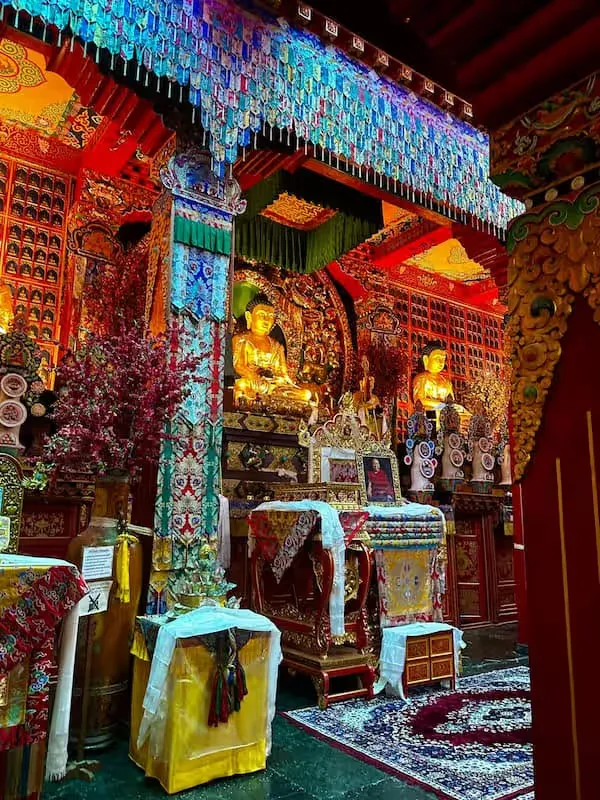
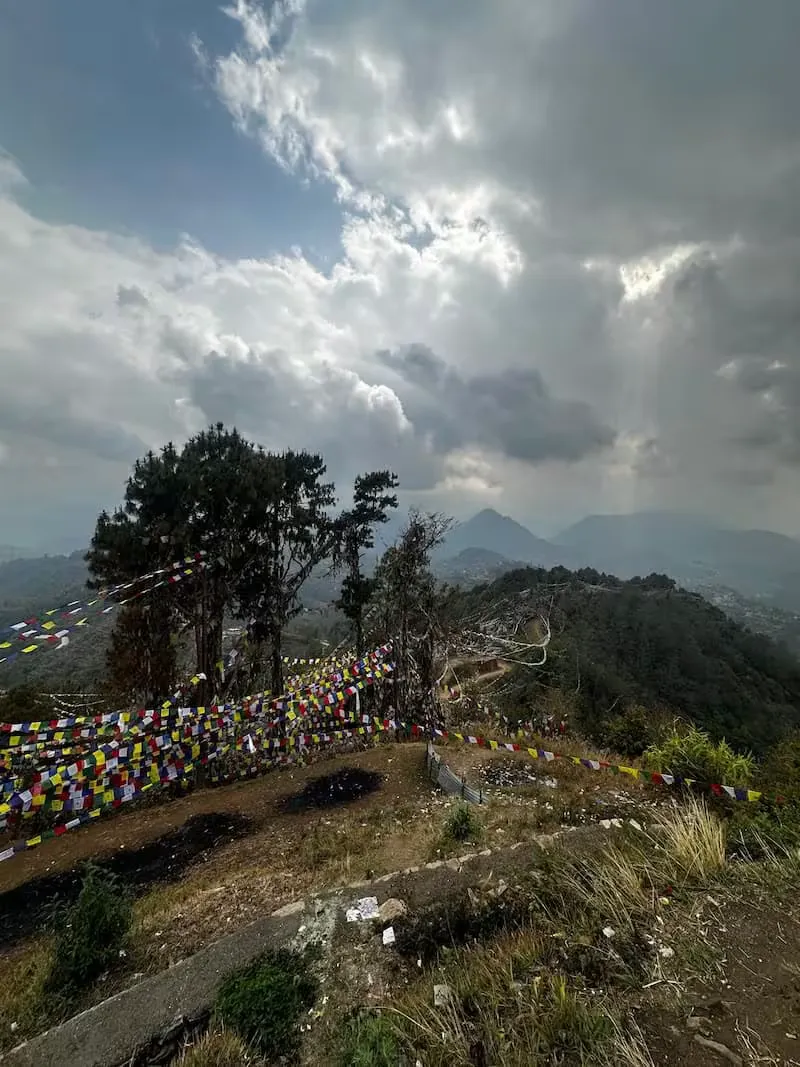
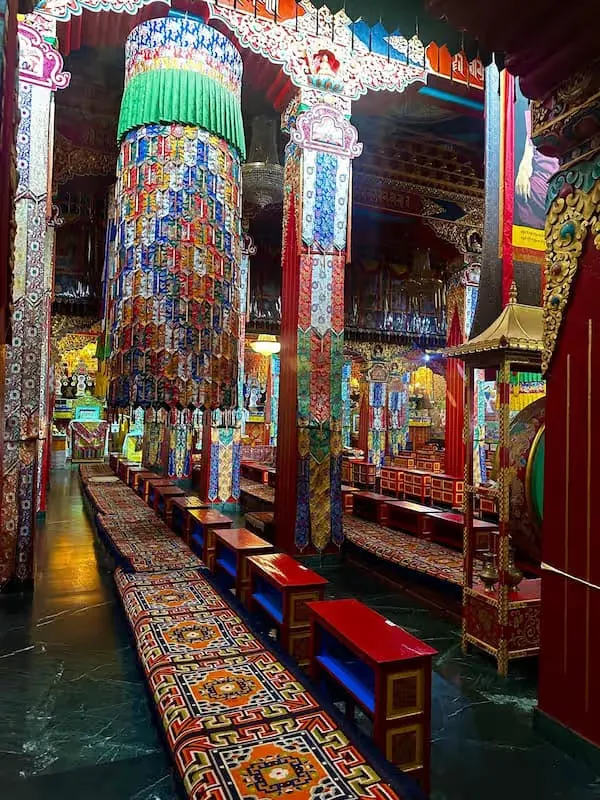
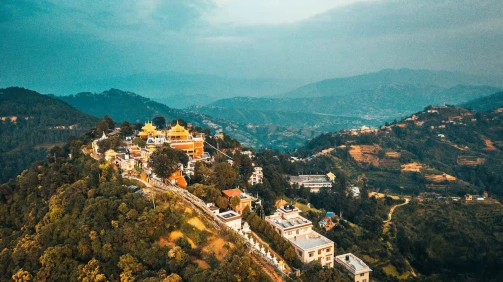
At the hilltop, you'll find the ancient Namobuddha Stupa marking the exact spot of the prince's sacrifice, surrounded by prayer flags and offering stunning panoramic views of the Himalayan range. Adjacent to the stupa is the magnificent Thrangu Tashi Yangtse Monastery, a vibrant center of Tibetan Buddhism with golden roofs, beautifully painted murals, and peaceful courtyards where monks engage in prayer and study.
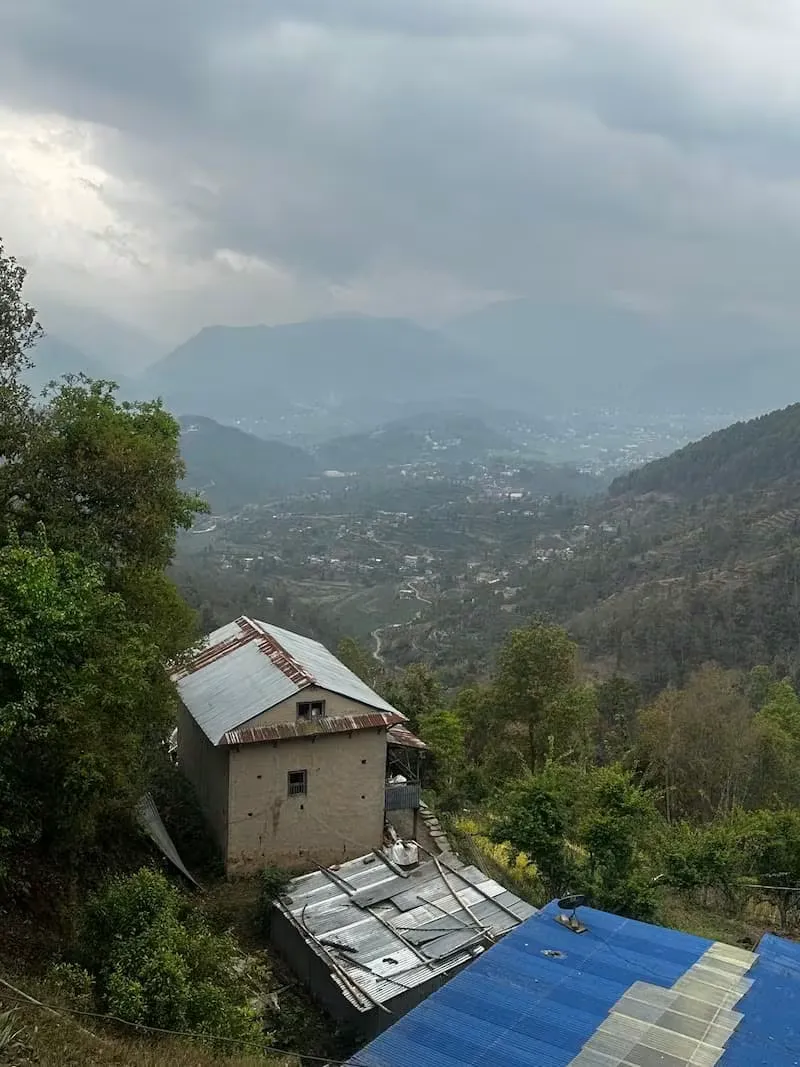
The hike itself is a gentle ascent through scenic countryside, offering glimpses of rural Nepalese life and ever-expanding mountain views. Whether you're a Buddhist seeking spiritual connection, a nature lover, or simply someone looking for a peaceful day away from the city, Namobuddha offers an experience that touches the heart and soul. With an expert guide to share the stories and significance of this sacred place, this day hike is truly unforgettable.
Hiking Highlights
Best Time for Hiking
Spring (Mar-May)
Pleasant temperatures, blooming rhododendrons, and excellent mountain visibility. Ideal for hiking and photography.
ExcellentAutumn (Sep-Nov)
Crystal-clear skies, perfect temperatures, and exceptional mountain views. Post-monsoon clarity offers the best Himalayan visibility.
Best SeasonWinter (Dec-Feb)
Crisp clear air and excellent visibility. Cool but pleasant hiking conditions. Fewer visitors, offering a more peaceful experience.
GoodNote: Monsoon (Jun-Aug) brings clouds and rain, limiting mountain views. The trail can be slippery but the landscape is lush and green. Monastery visits are unaffected.
Hiking Itinerary
Your spiritual hiking adventure begins at 7:30 AM when your private guide and driver will pick you up from your hotel in Kathmandu. You'll drive approximately 1.5 hours to the trailhead near Dhulikhel, a scenic town on the eastern rim of the Kathmandu Valley. Your hike begins with a gentle ascent through pine forests and terraced farmlands, offering beautiful views of the surrounding hills and, on clear days, the Himalayan range. After approximately 1.5-2 hours of hiking, you'll arrive at Namobuddha, one of the most sacred Buddhist pilgrimage sites in Nepal. This is where, according to ancient legend, a prince gave his body to a starving tigress and her cubs, an act of ultimate compassion that exemplifies the Buddhist ideal of selflessness. At the hilltop, you'll find the beautiful Thrangu Tashi Yangtse Monastery, a stunning example of Tibetan Buddhist architecture with its golden roofs, prayer flags, and peaceful courtyards. You'll also visit the ancient stupa that marks the site of the prince's self-sacrifice. Spend time exploring the monastery complex, observing monks in prayer, and soaking in the serene atmosphere with panoramic views of the Himalayas. Enjoy a peaceful picnic lunch overlooking the mountains. After lunch, you'll have free time for meditation, photography, or exploring further. Your driver will meet you at Namobuddha for the drive back to Kathmandu, arriving at your hotel by approximately 4:00 PM.
The Legend of Namobuddha
According to Buddhist tradition, long ago in a past life, the Buddha was born as a prince named Mahasattva. One day, while walking in the forest with his brothers, he came upon a starving tigress who had just given birth to cubs. Weak from hunger, the tigress was about to eat her own young to survive.
Overwhelmed with compassion, the prince sent his brothers away and offered his own body to the tigress. At first, the tigress was too weak to even bite him, so the prince cut himself and let her drink his blood, restoring her strength enough to eat. He then allowed the tigress to consume his body, saving her and her cubs from starvation.
This ultimate act of self-sacrifice, known as the "Mahadan" (Great Gift), is commemorated at Namobuddha. The name itself means "Homage to the Buddha," honoring this profound act of compassion. The site has been a major pilgrimage destination for Buddhists for over 2,000 years, and the stupa marks the exact spot where this miraculous event took place.
This story exemplifies the Buddhist ideal of compassion for all beings and the perfection of giving (dana paramita). Pilgrims from around the world come to Namobuddha to meditate, make offerings, and connect with this powerful example of selflessness.
Thrangu Tashi Yangtse Monastery
- History: The monastery was established in 1976 by the Ven. Thrangu Rinpoche, a highly respected teacher of the Kagyu school of Tibetan Buddhism. It serves as a monastic college for over 300 monks and nuns, preserving and transmitting Buddhist teachings.
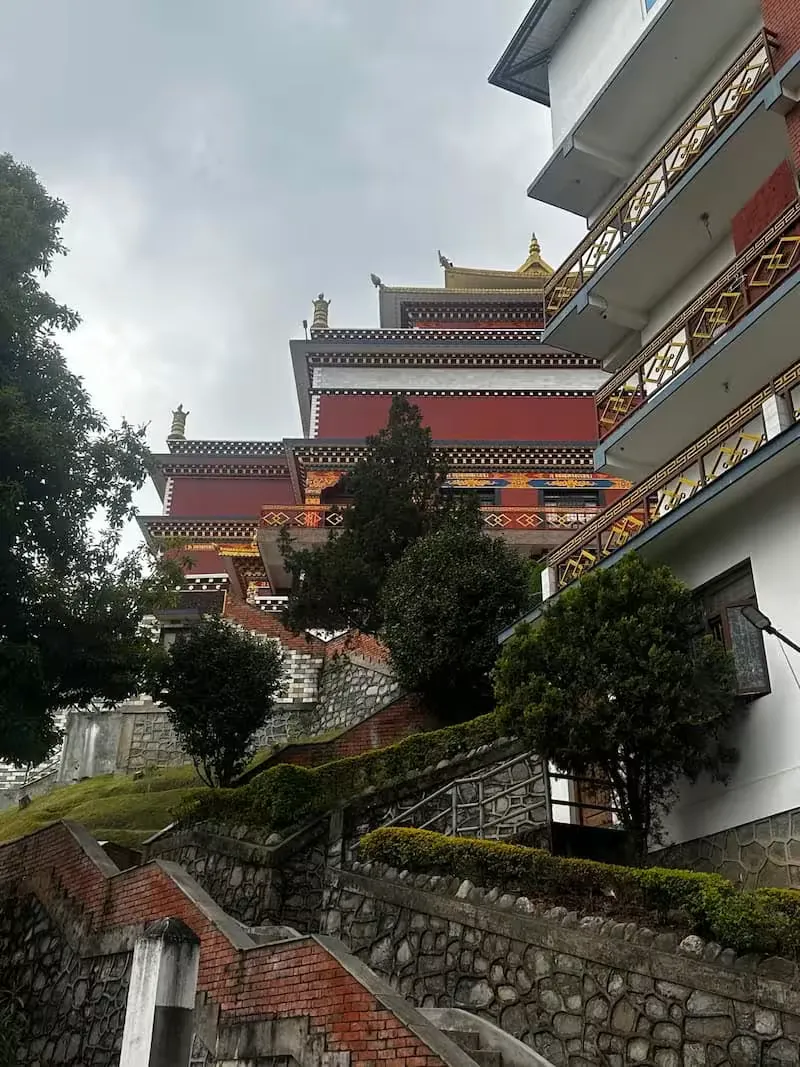
- Architecture: The monastery is a stunning example of traditional Tibetan Buddhist architecture, with golden roofs, beautifully painted murals, and intricately carved woodwork. The main prayer hall houses magnificent statues of Buddha, Chenrezig, and Padmasambhava.
- Stupa: Adjacent to the monastery is the ancient Namobuddha Stupa, which predates the monastery by many centuries. It contains relics and is a focal point for pilgrimage.
- Monastic Life: Visitors can observe monks engaged in daily activities including prayer sessions, debates, and studies. The monastery follows a strict schedule of rituals and teachings that have been preserved for centuries.
- Meditation: The monastery offers opportunities for meditation, either in the main hall or in quieter corners. The peaceful atmosphere is conducive to mindfulness and reflection.
- Views: From the monastery grounds, you'll enjoy spectacular panoramic views of the Himalayan range including Ganesh Himal, Langtang, and on clear days, Everest in the distance.
Trail Details & Difficulty
- Total Distance: Approximately 6-8 kilometers round trip
- Total Ascent: Approximately 400 meters from trailhead to Namobuddha
- Hiking Time: 1.5-2 hours up, 1.5 hours down (total 3-4 hours hiking)
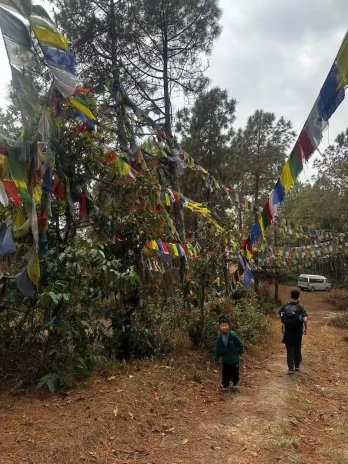
- Trail Condition: Well-defined dirt trail with stone steps, forest paths, and village sections. Can be slippery after rain.
- Difficulty: Easy to Moderate. Gentle ascent suitable for most fitness levels.
- Trail Type: Out-and-back or loop options available
- Maximum Elevation: 1,750 meters at Namobuddha
- Minimum Elevation: Approximately 1,350 meters at trailhead
- Water Sources: Available at villages along the route
- Facilities: Basic tea houses and restrooms at Namobuddha
What to Bring
- Footwear: Sturdy hiking shoes or boots with good grip (essential)
- Clothing: Comfortable hiking clothes, moisture-wicking layers
- Jacket: Light fleece or windproof jacket (weather can change)
- Rain Gear: Waterproof jacket or poncho (especially in monsoon)
- Sun Protection: Hat, sunglasses, sunscreen
- Daypack: Small backpack for your personal items
- Water: At least 1-2 liters (provided, but carry in your pack)
- Camera: Essential for mountain and monastery photography
- Offerings: Small denomination rupees for donations at the monastery
- Personal Items: Any medications, hand sanitizer, tissues
What's Included
Cost Includes
- Private vehicle with driver for the full day
- Experienced English-speaking hiking guide
- Picnic lunch with mountain views
- Bottled water (2 liters per person)
- Monastery donation
- All necessary permits
- First aid kit
- All government taxes and service charges
- Hotel pickup and drop-off (within Kathmandu valley)
Cost Excludes
- Meals not specified (dinner)
- Alcoholic beverages and soft drinks
- Personal expenses (phone calls, laundry, souvenirs, etc.)
- Tips and gratuities for guide and driver (recommended)
- Travel insurance
- Personal hiking equipment (sturdy shoes, daypack, etc.)
- Optional activities not mentioned in itinerary
- International phone calls and internet charges
Important Information for Hikers
- • Spiritual Etiquette: Namobuddha is an active pilgrimage site and monastery. Dress modestly (shoulders and knees covered), speak softly, and ask permission before photographing monks. Remove shoes before entering temple buildings.
- • Physical Fitness: The hike involves a gentle ascent of about 400 meters over 1.5-2 hours. Suitable for most fitness levels with regular breaks.
- • Weather for Mountain Views: Himalayan visibility depends on weather conditions. Autumn and spring offer the best chances for clear views. Even without mountains, the monastery and atmosphere are rewarding.
- • Monastery Schedule: Monks have prayer sessions at specific times. Your guide will time the visit to observe these if possible. Morning is generally the best time to see monks engaged in activities.
- • Offerings: Small donations are appreciated at the monastery. You may also offer khata (ceremonial scarves) as a sign of respect.
- • Photography: Photography is permitted in most areas of the monastery, but always ask before taking photos of monks or during prayer sessions.
Photo Gallery

The sacred Namobuddha stupa marking the site of the prince's self-sacrifice

Beautiful Thrangu Tashi Yangtse Monastery at Namobuddha

Panoramic views from Namobuddha hilltop

Colorful prayer flags fluttering at the monastery

Beautiful hiking trail through pine forests

Buddhist monks in prayer at the monastery
Frequently Asked Questions
Is Namobuddha an active monastery?
Yes, Namobuddha is a thriving monastic community with over 300 monks and nuns in residence. The Thrangu Tashi Yangtse Monastery is an active center for Buddhist study and practice. Visitors are welcome to observe prayers and meditation, and you'll likely see monks engaged in their daily activities, creating a vibrant and authentic spiritual atmosphere.
Can I meditate at Namobuddha?
Absolutely! The peaceful atmosphere of Namobuddha is perfect for meditation. You can meditate in the main prayer hall (when not in use), in the stupa area, or in quieter corners of the monastery grounds. Your guide can help find a suitable spot. Many visitors find the energy of this sacred site deeply conducive to meditation.
What are the chances of seeing the Himalayas?
On clear days, particularly in autumn (September-November) and spring (March-May), the Himalayan views from Namobuddha are spectacular. You can see Ganesh Himal, the Langtang range, and on exceptionally clear days, even Mount Everest in the distance. Winter also offers good visibility. During monsoon, views are limited due to clouds, but the lush green landscape has its own beauty.
Is this hike suitable for beginners?
Yes, this hike is suitable for beginners with a reasonable level of fitness. The ascent is gentle (about 400 meters over 1.5-2 hours) and the trail is well-defined. We take regular breaks, and the pace is relaxed. Most people with basic fitness can complete this hike comfortably.
Can I combine Namobuddha with other nearby sites?
Yes, Namobuddha can be combined with a visit to Dhulikhel, a scenic hill town nearby, or with Panauti, a historic Newari village. If you have interest in extending your day, please inquire when booking. The standard hike focuses on Namobuddha to allow ample time for a relaxed experience.
What should I wear to the monastery?
Modest dress is required at the monastery. Shoulders and knees should be covered. Avoid wearing revealing clothing. Comfortable hiking clothes that meet these requirements are ideal. You'll need to remove shoes before entering temple buildings, so wearing easily removable footwear is helpful.
Elevation Profile
Total ascent: approximately 400 meters (gentle, steady climb)