Tibet Cultural Tour
Tibet Autonomous Region Cultural Immersion High Altitude (3,650-4,800m)

7 DAYS
TIBET UNIQUE CULTURAL TOUR

Journey to the 'Roof of the World' and discover Tibet's unique Buddhist culture. Explore sacred monasteries, witness pilgrim traditions, marvel at turquoise Yamdrok Lake, and experience the spiritual heart of the Himalayas.

$2,250
$1,950

Overview

The 7-Day Tibet Unique Cultural Tour offers an immersive journey into the spiritual heart of the 'Roof of the World'. This carefully crafted itinerary takes you through Tibet's most significant cultural sites, from the iconic Potala Palace in Lhasa to the turquoise waters of sacred Yamdrok Lake and the ancient monastic cities of Gyantse and Shigatse.

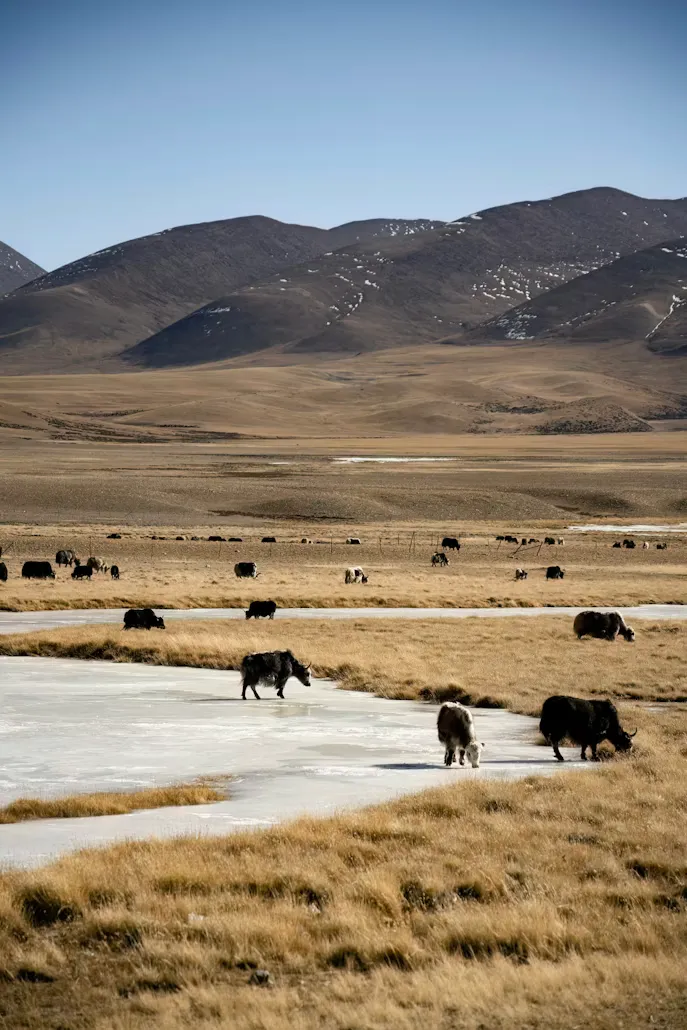
Experience living Buddhism as you explore working monasteries where monks engage in philosophical debates, walk the pilgrim circuit at Barkhor surrounded by devotees performing prostrations, and marvel at the architectural wonders that have survived for centuries. Your journey follows ancient trade routes across the Tibetan plateau, offering breathtaking Himalayan landscapes and encounters with traditional Tibetan culture.

With expert local guides, comfortable accommodation, and all permits arranged, this tour provides a seamless introduction to Tibet's unique Buddhist heritage. Perfect for cultural enthusiasts, photographers, and spiritual seekers wanting to understand the essence of Tibet in just one week.

Tour Highlights

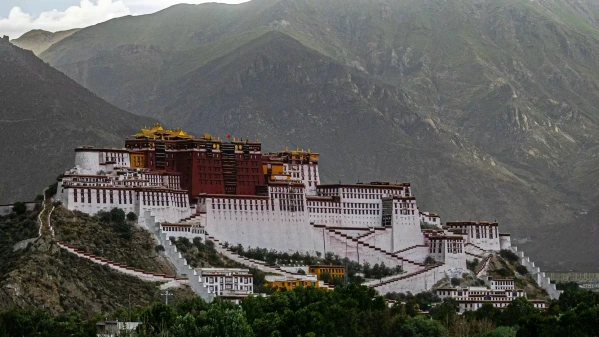
Explore iconic Potala Palace, winter home of the Dalai Lamas
Visit Jokhang Temple - Tibet's holiest shrine
Walk the Barkhor pilgrim circuit with devout Tibetans
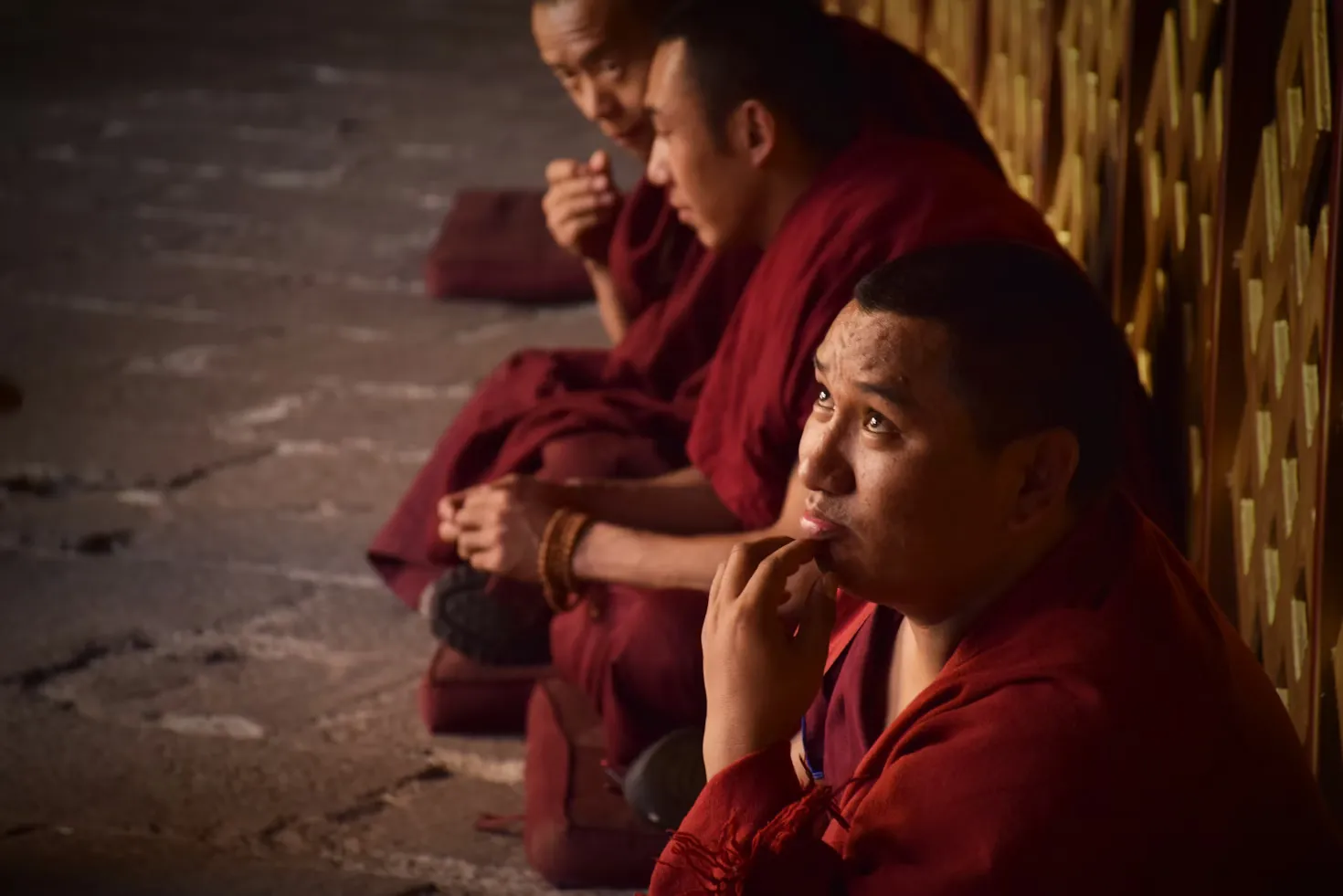
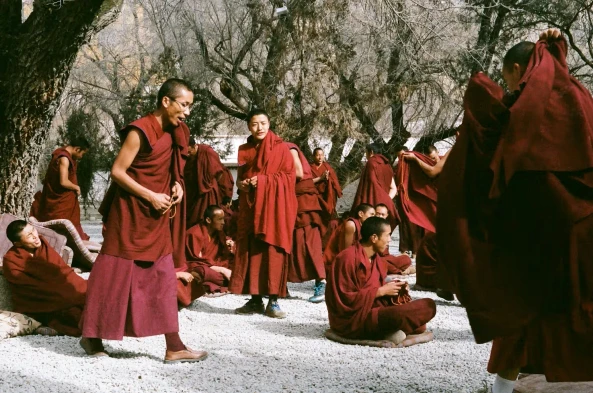
Witness lively monk debates at Sera Monastery
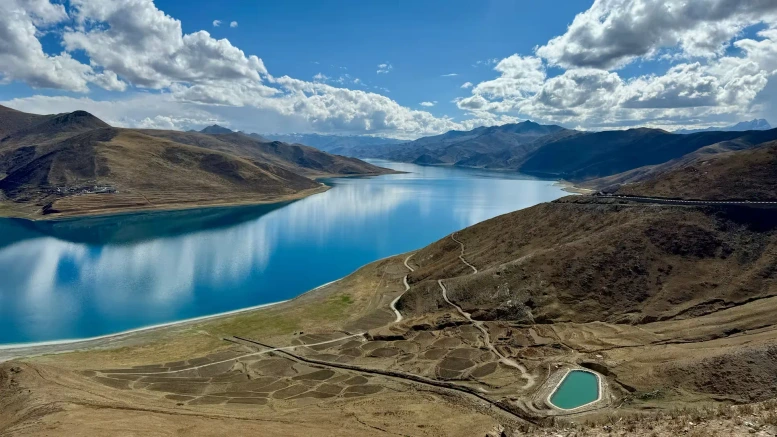
Marvel at turquoise Yamdrok Lake (4,440m)
Cross Kampala Pass at 4,794m for stunning views
Discover the unique Kumbum Stupa in Gyantse
Visit Tashilhunpo Monastery in Shigatse
Experience Tibetan Buddhist philosophy firsthand
Photograph traditional Tibetan architecture and landscapes
All Tibet permits arranged in advance
Expert local guides sharing cultural insights

Best Time to Visit

Summer (Jun - Aug)

Warmest temperatures, green valleys, and clear skies. Perfect for photography and comfortable sightseeing. Occasional afternoon showers but generally excellent conditions.

Excellent

Autumn (Sep - Oct)

The most popular season with crystal-clear skies, stable weather, and the best mountain views. Perfect conditions for crossing high passes.

Best Season

Day-by-Day Itinerary

Welcome to Lhasa, the spiritual heart of Tibet! Upon arrival at Lhasa Gonggar Airport, you'll be greeted by our representative and begin your acclimatization journey. The drive from the airport to Lhasa city takes approximately 1.5 hours, following the beautiful Yarlung Tsangpo River valley with stunning mountain views. After checking into your hotel in Lhasa, the remainder of the day is dedicated to rest and acclimatization. Your guide will provide a comprehensive briefing about the days ahead, Tibetan culture, and important tips for high-altitude wellness. Early dinner and rest are recommended to help your body adjust to the 3,650m altitude. Overnight in Lhasa.

Overnight: Hotel in Lhasa
Meals: Dinner
Airport pickupScenic drive to LhasaAcclimatization briefingFirst glimpse of Tibetan landscape

Begin your exploration of Tibet's cultural treasures with a visit to the iconic Potala Palace, the winter palace of the Dalai Lamas and one of Tibet's most recognizable landmarks. This 13-story marvel contains over 1,000 rooms, with stunning chapels, tombs of past Dalai Lamas, and breathtaking views of Lhasa. After lunch, visit the Jokhang Temple, Tibet's most sacred temple, built in the 7th century. The temple houses the revered Jowo Shakyamuni statue and is a major pilgrimage site. In the evening, walk around the Barkhor Street, the pilgrimage circuit surrounding Jokhang, where you'll see devout pilgrims performing prostrations and can browse traditional Tibetan handicrafts. Overnight in Lhasa.

Overnight: Hotel in Lhasa
Meals: Breakfast, Lunch, Dinner
Potala Palace explorationJokhang TempleBarkhor pilgrimage circuitTibetan handicraftsPilgrims and local life

Today you'll explore two of Tibet's greatest monastic universities. Morning visit to Drepung Monastery, once the world's largest monastery with over 10,000 monks. Explore its whitewashed buildings clinging to the hillside, visit the impressive chapels, and learn about Tibetan Buddhist philosophy. After lunch, visit Sera Monastery, famous for its lively 'debating' sessions where monks engage in spirited philosophical discussions in the courtyard (usually 3-5 PM). Wander through the ancient halls and witness this unique tradition. Evening free to explore Lhasa at your own pace or revisit Barkhor for more photos. Overnight in Lhasa.

Overnight: Hotel in Lhasa
Meals: Breakfast, Lunch, Dinner
Drepung MonasterySera MonasteryMonk debatesTibetan Buddhist philosophyMonastic life

Depart Lhasa and begin your journey across the Tibetan plateau. Cross the Kampala Pass (4,794m) for your first breathtaking view of Yamdrok Lake - one of Tibet's three sacred lakes with turquoise waters stretching beneath majestic snow-capped mountains. Stop for photos at this incredible location. Continue through picturesque valleys to reach Gyantse, a historic trading town. Upon arrival, visit the famous Pelkor Chode Monastery and its stunning Kumbum Stupa, a unique multi-tiered structure with 108 chapels. This is one of Tibet's best-preserved architectural gems. Overnight in Gyantse.

Overnight: Hotel in Gyantse
Meals: Breakfast, Lunch, Dinner
Yamdrok Lake viewpointKampala Pass (4,794m)Tibetan plateau sceneryPelkor Chode MonasteryKumbum Stupa

What's Included

Cost Includes

  • All airport/hotel transfers in private vehicle
  • 6 nights hotel accommodation (3-star with breakfast) as per itinerary
  • All meals as per itinerary (breakfast, lunch, dinner)
  • English-speaking Tibetan guide (government licensed)
  • Private vehicle for all sightseeing and transfers (4WD Land Cruiser for overland journeys)
  • All monument entrance fees
  • Tibet Travel Permit (processed by us)
  • Alien's Travel Permit (for areas requiring special permits)
  • Government taxes and service fees
  • Mineral water during sightseeing
  • Oxygen cylinders available in vehicle for emergency
  • First aid medical kit
  • All government taxes and official expenses

Cost Excludes

  • International/domestic airfare to/from Lhasa
  • Travel insurance (mandatory - must cover high altitude up to 5,000m)
  • China Visa (required separately - we provide Tibet Permit support)
  • Meals not mentioned in itinerary
  • Alcoholic beverages and soft drinks
  • Personal expenses (phone calls, laundry, souvenirs, bar bills)
  • Tips and gratuities for guide and driver (recommended)
  • Camera fees at monasteries (if applicable)
  • Any costs arising from unforeseen circumstances (weather, flight delays, political unrest)
  • Additional oxygen (supplemental oxygen available on request)
  • Single room supplement (if applicable)

Important Information - Tibet Travel

  • Travel insurance is mandatory and must cover high altitude up to 5,000m and emergency evacuation.
  • Passport and Permits: You need a valid passport (6+ months validity) and China Visa (obtained separately). We arrange all Tibet permits (Tibet Travel Permit, Alien's Travel Permit) with your passport copy submitted at least 20 days before travel.
  • Altitude Acclimatization: Lhasa is at 3,650m. Rest on arrival, drink plenty of water, avoid alcohol, and move slowly. Oxygen cylinders are available in the vehicle for emergencies.
  • Photography Restrictions: Some monasteries prohibit interior photography. Always ask permission before photographing monks or pilgrims. Military installations are strictly off-limits.
  • Weather Preparedness: Tibet weather is unpredictable. Pack layers including warm jacket, sun protection, and rain gear regardless of season.
  • Group Size: Foreign tourists must be accompanied by a licensed Tibetan guide at all times - included in your package.

Frequently Asked Questions

Do I need a visa and permits for Tibet?

Yes. You need both a China Visa (obtained from your local Chinese embassy/consulate before travel) AND Tibet Travel Permits. We arrange all Tibet permits for you - we need a clear passport copy at least 20 days before travel. Note that independent travel in Tibet is not permitted; you must be accompanied by a guide (included).

How do I get to Lhasa?

Most travelers fly into Lhasa Gonggar Airport from major Chinese cities like Chengdu, Beijing, Shanghai, or Kathmandu (seasonal). Flights from Kathmandu offer spectacular Himalayan views. Alternatively, the Qinghai-Tibet railway from mainland China offers a scenic overland option but takes 20+ hours.

How will the altitude affect me?

Lhasa is at 3,650m and you'll cross passes up to 4,794m. Most people experience some symptoms like mild headache, shortness of breath, or fatigue. Our itinerary includes acclimatization time in Lhasa. We recommend: rest on arrival, drink plenty of water, avoid alcohol, and move slowly. Oxygen cylinders are available in the vehicle for emergencies.

What is the accommodation like in Tibet?

We use comfortable 3-star hotels in all destinations. In Lhasa, hotels are modern with good facilities. In Gyantse and Shigatse, accommodation is comfortable but more basic - expect clean rooms with attached bathrooms and hot water (may be limited at peak times). All hotels are centrally located for exploring.

Can I take photographs at monasteries?

Photography is generally allowed in monastery courtyards and exterior spaces, but strictly prohibited inside temple halls out of respect. Always look for signs and ask your guide before photographing. When photographing monks or pilgrims, ask permission first - a smile and gesture goes a long way.

What should I pack for Tibet?

Essential items: layers (temperatures vary greatly), warm jacket (even in summer), sun hat, sunglasses, high-SPF sunscreen, lip balm, reusable water bottle, personal medications, and comfortable walking shoes. Modest clothing covering shoulders and knees is required for monastery visits. A daypack for daily essentials is useful.

Is Tibetan food included? Will I like it?

Meals include a mix of Tibetan, Nepali, and Chinese cuisine. Tibetan staples include tsampa (roasted barley flour), momos (dumplings), thukpa (noodle soup), and butter tea. If you're concerned about adjusting, restaurants also offer familiar Chinese dishes. Let us know of any dietary requirements in advance.
With every trip comes new optimism...

What's Your Perfect Adventure?

You dream it. We plan it. Let's build your adventure together.

Chat on WhatsApp