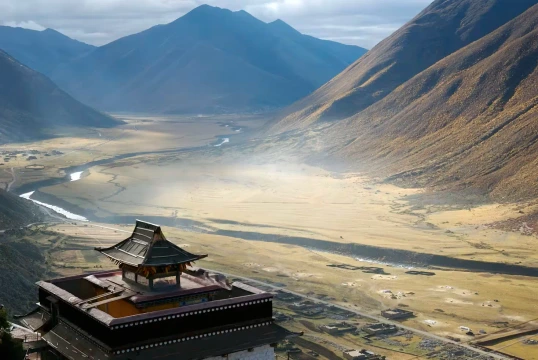
Overview of Tibetan Ancient Kingdoms Tour
The 9-Day Tibetan Ancient Kingdoms Tour is a profound journey through 1,500 years of Tibetan history, exploring the remnants of the great kingdoms that shaped the Roof of the World. From the cradle of Tibetan civilization in the Yarlung Valley to the powerful dynasties of Sakya, Tsang, and Gyantse, this Tibet tour offers an unparalleled immersion into Tibet's royal heritage.
Your journey begins in Lhasa, the ancient capital of the Tibetan Empire, where you'll explore the Potala Palace and Jokhang Temple. You'll then venture across the Tibetan plateau to discover the fortress monasteries of Gyantse, the Panchen Lama's seat at Tashilhunpo, and the unique Sakya Monastery with its priceless manuscripts. The highlight is a visit to the Yarlung Valley, where the first Tibetan kings established their kingdom and where Tibet's oldest building, Yumbulagang Palace, still stands.
With expert local guides specializing in Tibetan history, comfortable accommodation, and all permits arranged, this tour offers a unique opportunity to understand the political and spiritual foundations of Tibetan civilization. Perfect for history enthusiasts, culture seekers, and anyone wanting to go beyond the surface of this fascinating land.
Tibetan Ancient Kingdoms Tour Highlights
Best Time to Visit Tibet
Summer (Jun - Aug)
Warmest temperatures, green valleys, and clear skies. Perfect for photography and comfortable sightseeing. Occasional afternoon showers but generally excellent conditions.
ExcellentAutumn (Sep - Oct)
The most popular season with crystal-clear skies, stable weather, and the best mountain views. Perfect conditions for crossing high passes.
Best SeasonDay-by-Day Tibetan Ancient Kingdoms Itinerary
Welcome to Lhasa, the spiritual and historical heart of Tibet! Upon arrival at Lhasa Gonggar Airport, you'll be greeted by our representative and begin your journey into the ancient kingdoms of Tibet. The scenic 1.5-hour drive follows the Yarlung Tsangpo River valley, offering stunning mountain views. After checking into your hotel, the remainder of the day is dedicated to rest and acclimatization. Your guide will provide a comprehensive briefing about the ancient kingdoms you'll explore, Tibetan history, and important tips for high-altitude wellness. Early dinner and rest are recommended to help your body adjust to the 3,650m altitude. Overnight in Lhasa.
Begin your exploration of Tibet's ancient capital with a visit to the iconic Potala Palace, the winter palace of the Dalai Lamas and symbol of Tibetan civilization. This 13-story marvel contains over 1,000 rooms, with stunning chapels, tombs of past Dalai Lamas, and breathtaking views of Lhasa. Learn about the history of the Tibetan kingdom and its spiritual leaders. After lunch, visit the Jokhang Temple, Tibet's most sacred temple, built in the 7th century during the reign of King Songtsen Gampo. The temple houses the revered Jowo Shakyamuni statue and is a major pilgrimage site. In the evening, walk around the Barkhor Street, the ancient pilgrimage circuit surrounding Jokhang, where you'll see devout pilgrims and experience living history. Overnight in Lhasa.
Today you'll explore two of Tibet's greatest monastic universities, centers of learning for centuries. Morning visit to Drepung Monastery, once the world's largest monastery with over 10,000 monks. Founded in 1416, it served as the seat of the Dalai Lamas before the Potala was built. Explore its whitewashed buildings clinging to the hillside, visit the impressive chapels, and learn about Tibetan Buddhist philosophy. After lunch, visit Sera Monastery, another ancient institution founded in 1419, famous for its lively 'debating' sessions where monks engage in spirited philosophical discussions in the courtyard (usually 3-5 PM). Wander through the ancient halls and witness this unique tradition that has continued for centuries. Overnight in Lhasa.
Depart Lhasa and journey into the heart of the ancient Tibetan kingdoms. Cross the Kampala Pass (4,794m) for your first breathtaking view of Yamdrok Lake - one of Tibet's three sacred lakes with turquoise waters stretching beneath majestic snow-capped mountains. This area was historically part of the ancient Tibetan kingdom. Stop for photos at this incredible location. Continue through picturesque valleys to reach Gyantse, a historic trading town and former capital of the Gyantse Kingdom. Upon arrival, visit the famous Pelkor Chode Monastery and its stunning Kumbum Stupa, a unique multi-tiered structure with 108 chapels built in the 15th century. This is one of Tibet's best-preserved architectural gems. Overnight in Gyantse.
Morning visit to the Gyantse Dzong, an ancient fortress perched on a hill overlooking the valley. This fortress played a crucial role in defending the Gyantse Kingdom against foreign invasions and offers panoramic views of the surrounding countryside. After exploring the dzong, drive to Shigatse, Tibet's second-largest city and traditional capital of the Tsang Kingdom. Upon arrival, visit Tashilhunpo Monastery, the traditional seat of the Panchen Lama. Founded in 1447, this massive monastery houses a magnificent 26-meter statue of Maitreya (Future Buddha) and has been a center of Tibetan Buddhism for centuries. Explore the chapels, meet the monks, and experience the spiritual atmosphere of this ancient institution. Evening free to explore Shigatse's old town. Overnight in Shigatse.
Today you'll venture to one of Tibet's most unique ancient sites - the Sakya Monastery, seat of the Sakya Kingdom that ruled Tibet in the 13th century. The drive takes you through beautiful valleys with views of Himalayan peaks. Sakya Monastery is unlike any other in Tibet, with its fortress-like architecture painted in gray and red stripes, symbolizing its unique Buddhist tradition. The monastery's northern library houses one of the world's most valuable collections of Buddhist scriptures, including thousands of ancient manuscripts. Explore the monastery's chapels, see the stunning thangkas and murals, and learn about the Sakya Kingdom's role in Tibetan history. Return to Shigatse in the evening. Overnight in Shigatse.
Begin your return journey to Lhasa with a detour into the Yarlung Valley, considered the cradle of Tibetan civilization. This is where the first Tibetan kings established their kingdom and where Tibetan culture was born. Visit the Yumbulagang Palace, Tibet's oldest building, perched dramatically on a hilltop. According to legend, this palace was built for the first Tibetan king in the 2nd century BC. Explore the nearby Tandruk Monastery, one of Tibet's earliest temples. Continue to Lhasa, arriving by late afternoon. Enjoy a farewell dinner celebrating your journey through the ancient kingdoms of Tibet. Overnight in Lhasa.
What's Included in This Tibetan Ancient Kingdoms Tour
Cost Includes
- All airport/hotel transfers in private vehicle
- 8 nights hotel accommodation (3-star with breakfast) as per itinerary
- All meals as per itinerary (breakfast, lunch, dinner)
- English-speaking Tibetan guide (government licensed, specialized in Tibetan history)
- Private vehicle for all sightseeing and transfers (4WD Land Cruiser for overland journeys)
- All monument entrance fees
- Tibet Travel Permit (processed by us)
- Alien's Travel Permit and Military Permit (for Sakya and Yarlung Valley)
- Government taxes and service fees
- Mineral water during sightseeing
- Oxygen cylinders available in vehicle for emergency
- First aid medical kit
- Traditional Tibetan cultural performance
- All government taxes and official expenses
Cost Excludes
- International/domestic airfare to/from Lhasa
- Travel insurance (mandatory - must cover high altitude up to 5,000m)
- China Visa (required separately - we provide Tibet Permit support)
- Meals not mentioned in itinerary
- Alcoholic beverages and soft drinks
- Personal expenses (phone calls, laundry, souvenirs, bar bills)
- Tips and gratuities for guide and driver (recommended)
- Camera fees at monasteries (if applicable)
- Any costs arising from unforeseen circumstances (weather, flight delays, political unrest)
- Additional oxygen (supplemental oxygen available on request)
- Single room supplement (if applicable)
Important Information for Tibetan Ancient Kingdoms Tour
- • Travel insurance is mandatory and must cover high altitude up to 5,000m and emergency evacuation.
- • Passport and Permits: You need a valid passport (6+ months validity) and China Visa (obtained separately). We arrange all Tibet permits including special Military Permits for Sakya and Yarlung Valley. Submit passport copy at least 25 days before travel.
- • Altitude Acclimatization: This itinerary includes 5 nights in Lhasa before venturing higher, allowing proper acclimatization. Oxygen cylinders are available in the vehicle for emergencies.
- • Ancient Sites: Some sites like Yumbulagang and Sakya have limited facilities. Prepare accordingly with snacks, water, and appropriate clothing.
- • Photography Restrictions: Military areas and some monastery interiors prohibit photography. Always ask your guide before taking photos.
- • Cultural Sensitivity: These are active religious sites. Dress modestly (shoulders and knees covered) and behave respectfully.
Photo Gallery - Tibetan Ancient Kingdoms Tour
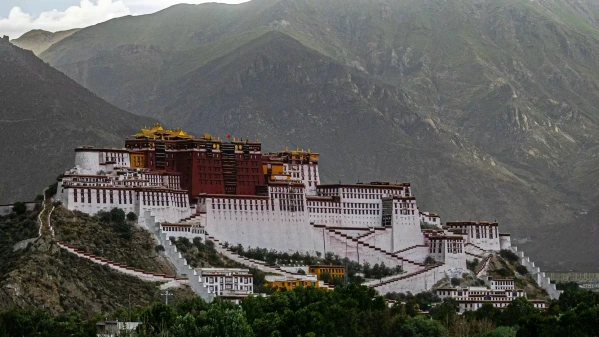
Potala Palace - Symbol of Tibetan Civilization
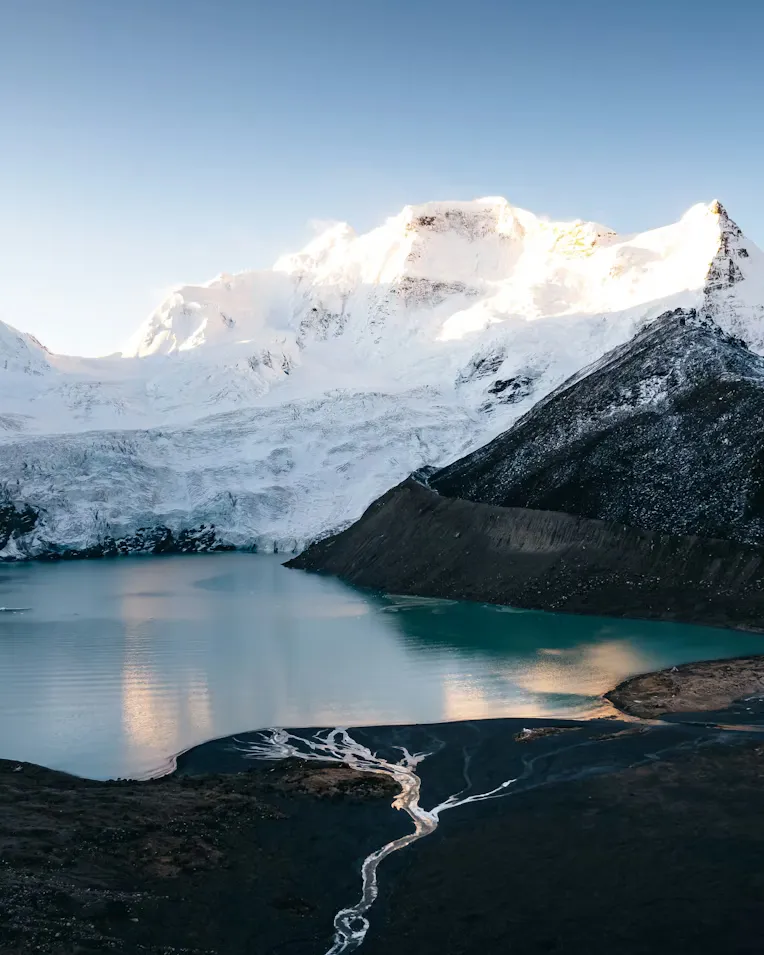
Tibet-Where the sky touches the earth
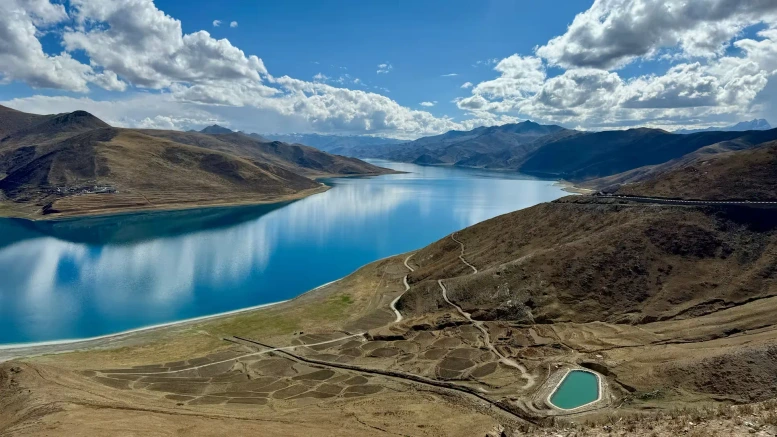
Sacred Yamdrok Lake
Frequently Asked Questions About Tibetan Ancient Kingdoms Tour
What makes this tour different from other Tibet tours?
This tour focuses specifically on Tibet's royal and political history, visiting the actual seats of ancient kingdoms. You'll explore sites rarely visited on standard tours, including the Yarlung Valley (cradle of Tibetan civilization), Sakya Monastery (seat of the Sakya Kingdom), and Yumbulagang Palace (Tibet's oldest building). Our guides specialize in Tibetan history.
Do I need special permits for these ancient sites?
Yes. In addition to the standard Tibet Travel Permit, this itinerary requires Military Permits for Sakya and the Yarlung Valley. We arrange all permits for you, but need your passport copy at least 25 days before travel. Note that some areas may have restricted access on certain days - we plan accordingly.
How physically demanding is this tour?
The tour involves moderate walking at altitude, with some sites requiring climbing steps (Potala Palace, Kumbum Stupa). The main challenge is the altitude, with overnight stays at 3,650-3,950m and day trips to 4,300-4,794m. Good general fitness is sufficient, but you should be comfortable with walking 2-4 hours daily.
What is the accommodation like in remote areas?
In Lhasa, you'll stay in comfortable 3-star hotels with modern facilities. In Gyantse and Shigatse, accommodation is comfortable but more basic - expect clean rooms with attached bathrooms and reliable hot water. Sakya is visited as a day trip from Shigatse, so no overnight there.
Will I see the famous Sakya library?
Yes! The Sakya Monastery's northern library is one of Tibet's greatest treasures, housing thousands of ancient manuscripts, including the world-famous 'Sakya Legshe' and texts written in gold and silver. The library is usually accessible, though photography is strictly prohibited to preserve these priceless artifacts.
What is the significance of Yumbulagang?
Yumbulagang is Tibet's oldest building, traditionally dated to the 2nd century BC as the palace of the first Tibetan king, Nyatri Tsenpo. It represents the beginning of Tibetan civilization and the Yarlung dynasty that eventually united Tibet. The current structure was partially rebuilt but stands on the original foundations.
Can I combine this with Mount Everest Base Camp?
Yes! This tour can be extended to include Everest Base Camp (additional 4-5 days). Contact us with your interests and available time, and we can customize an itinerary that includes both the ancient kingdoms and the world's highest mountain.